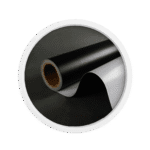
Self-adhesive vinyl is one of the most widely used materials in the signage and digital printing industry. Its combination of a printable surface and adhesive backing makes it suitable for producing advertising graphics, retail branding, promotional stickers, window displays and commercial signs. For printing businesses and sign makers, selecting the right vinyl is important for achieving clear graphics, reliable application and a professional finish.
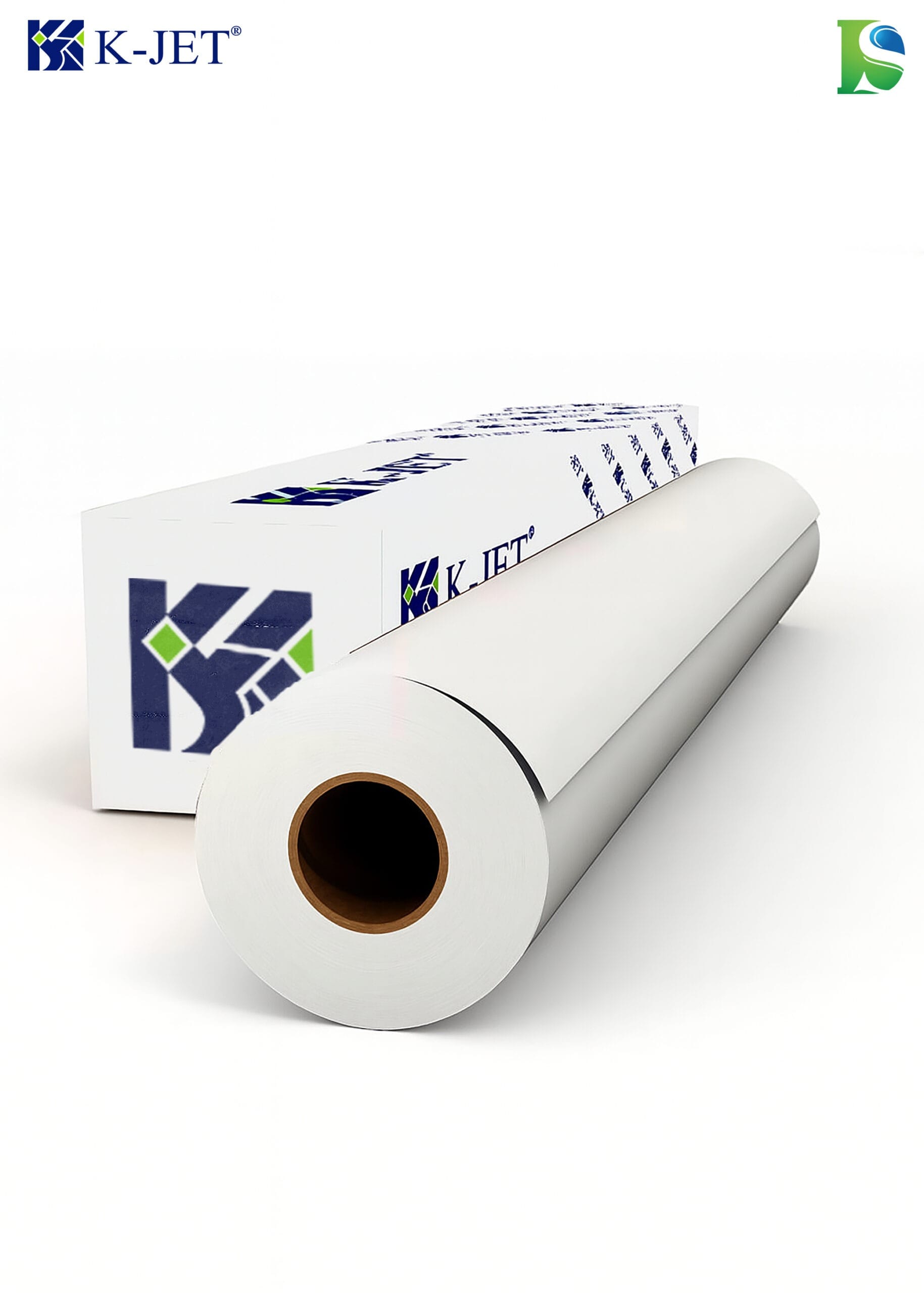
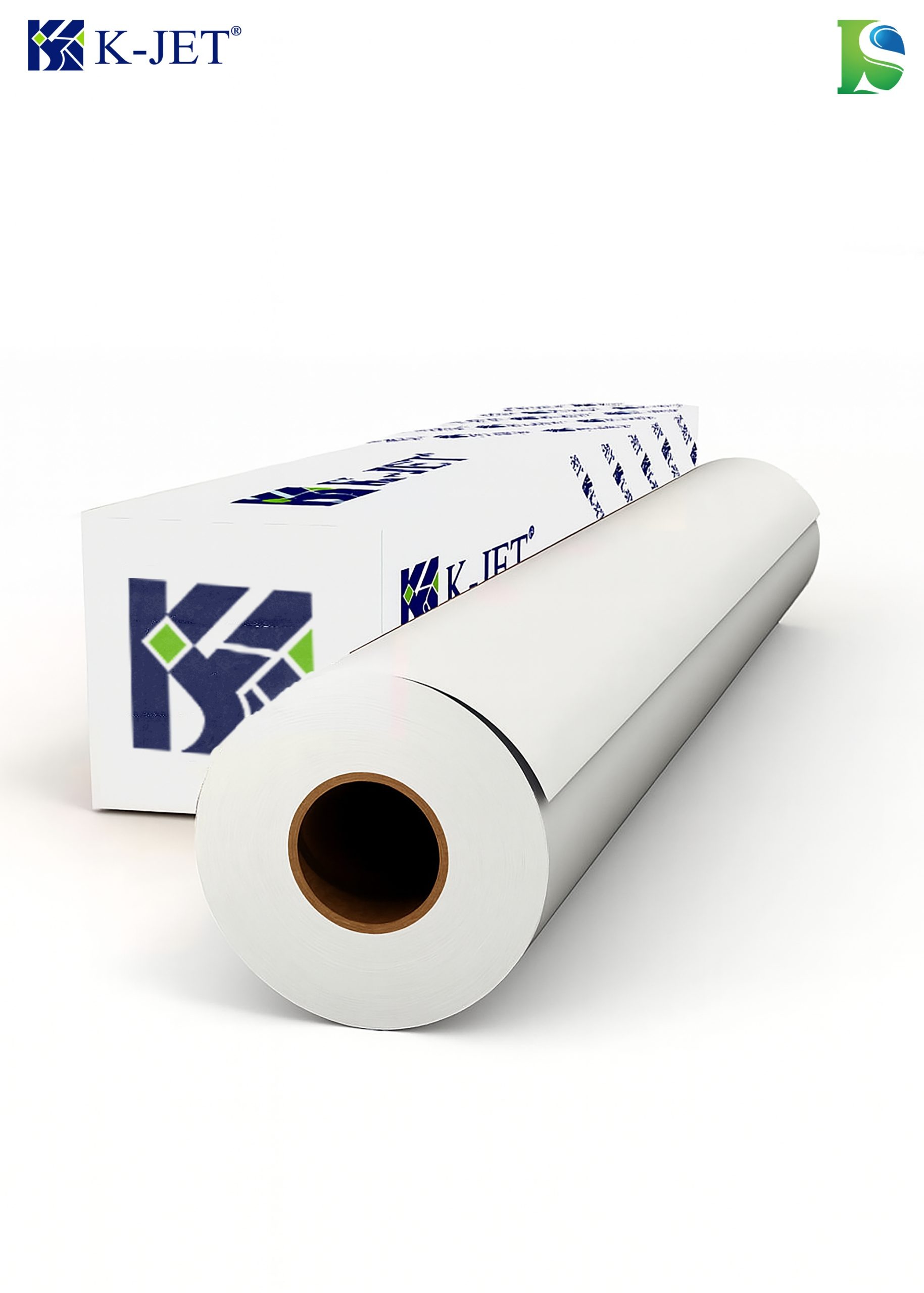
EverMark Whiteback Vinyl Glossy is a whiteback self-adhesive vinyl option for signage and printing applications where a glossy appearance is preferred. Understanding its finish, backing, application requirements and compatibility with printing equipment helps businesses decide whether it is suitable for a particular project.
What Is Self Adhesive Vinyl?
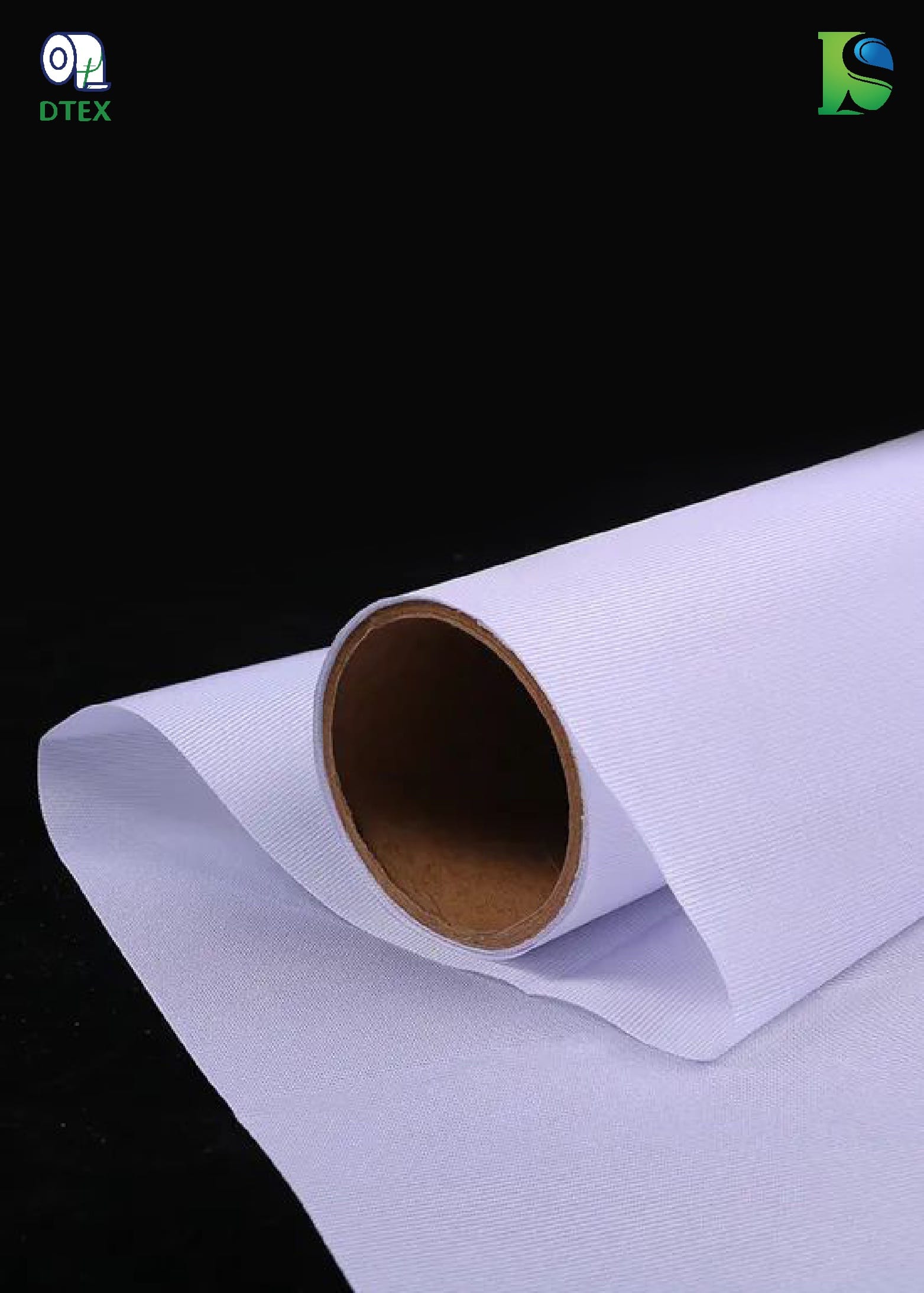
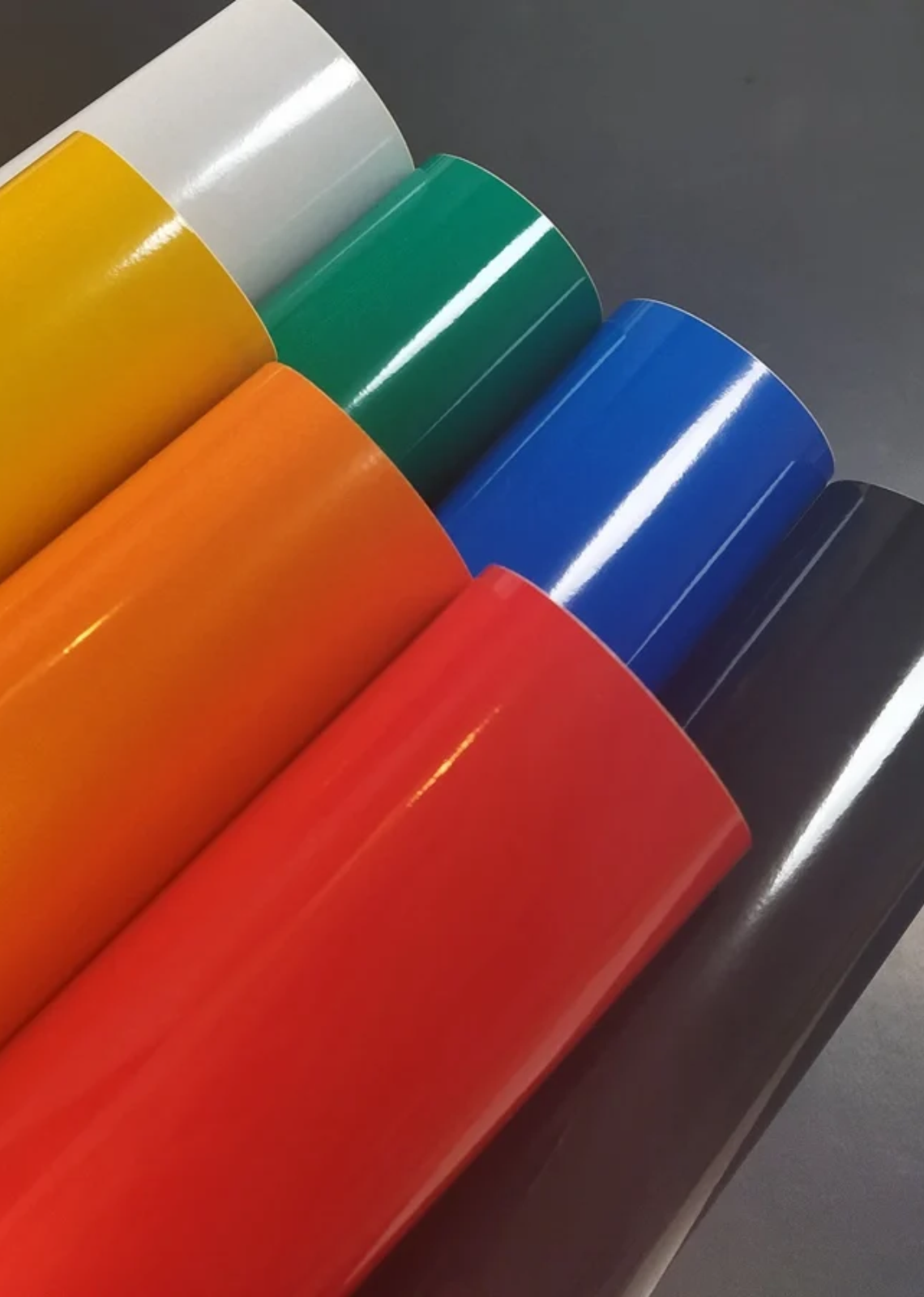
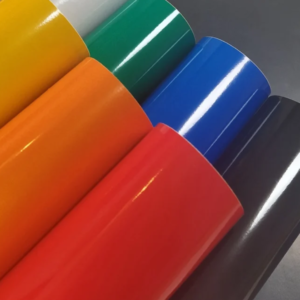
Self-adhesive vinyl is a flexible film with an adhesive layer on its reverse side. This backing allows the material to be applied to suitable surfaces without requiring a separate glue application. Depending on the product, the vinyl may be designed for digital printing, plotter cutting, lettering, decorative graphics or specialist signage applications.
It is commonly used by advertising agencies, sign manufacturers, print shops and branding companies. The material can be produced as printed graphics, cut lettering, logos, promotional stickers and custom shapes.
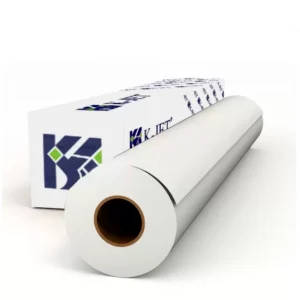
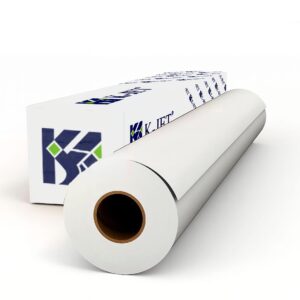
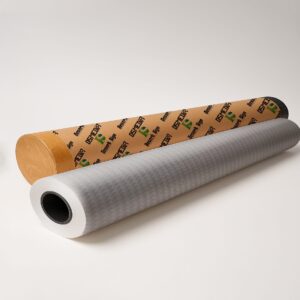
The main components generally include the vinyl face film, adhesive layer and release liner. The face film provides the printable or visible surface, the adhesive bonds the material to the substrate, and the release liner protects the adhesive before application.
Different vinyl products have different adhesive systems, thicknesses, finishes and intended uses. Therefore, selecting a material according to the actual application is more important than choosing based on appearance alone.
Understanding EverMark Whiteback Vinyl Glossy
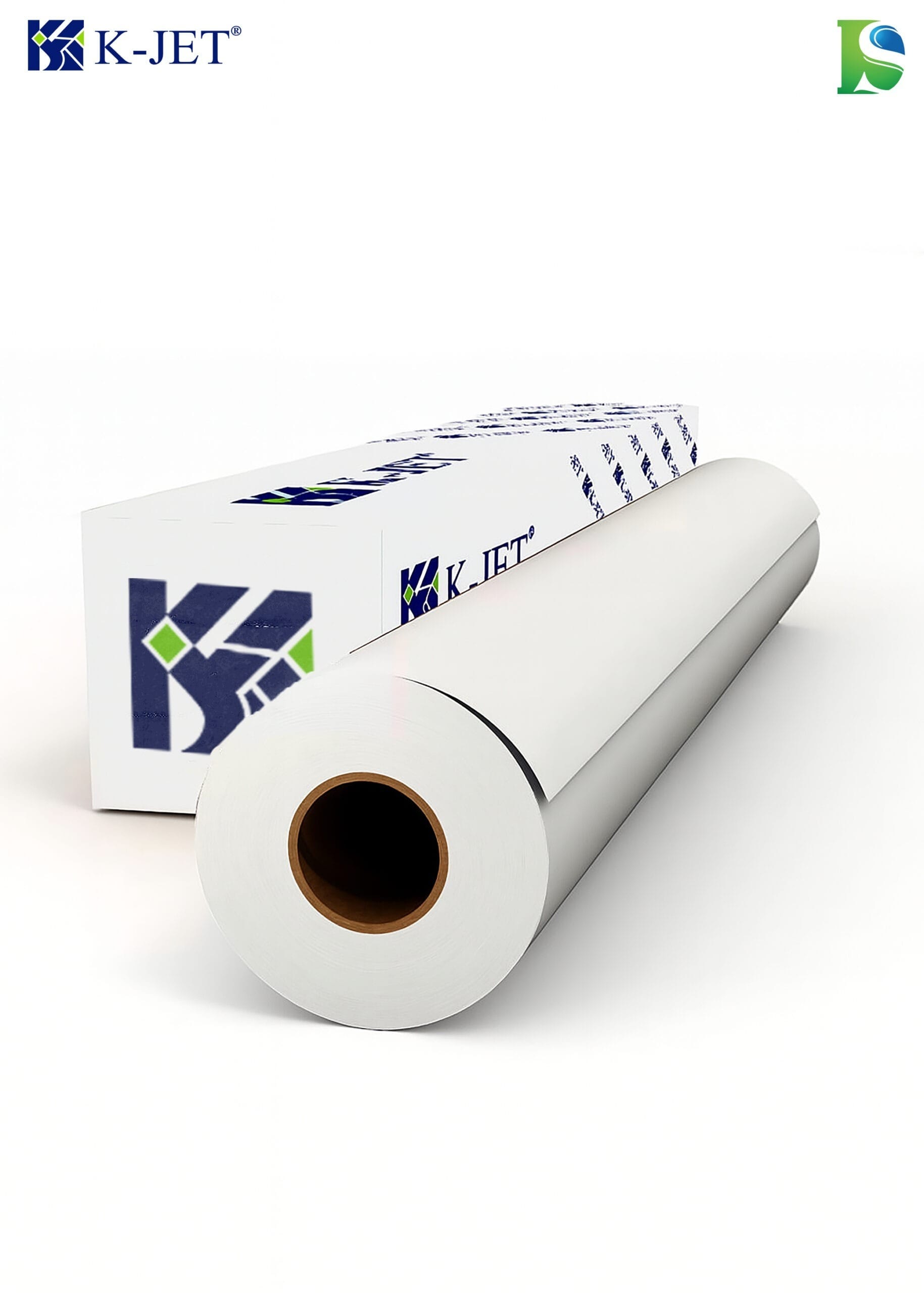
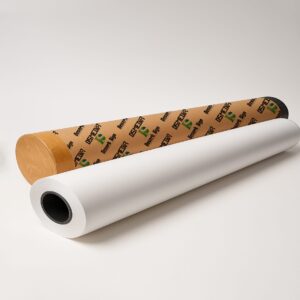
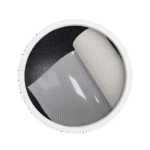
EverMark Whiteback Vinyl Glossy is a self-adhesive vinyl product identified by its whiteback construction and glossy surface finish. These characteristics are relevant when choosing media for printed signs, promotional graphics and other visual communication projects.
The white face provides a neutral background for printed designs, while the glossy finish gives the finished graphic a reflective appearance. This can be useful for advertising artwork where bright colours, photographs and product images are central to the design.
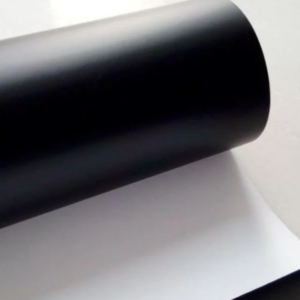
The whiteback construction also distinguishes this material from products with grey or black backing. Buyers should check the product's technical information for details such as adhesive type, printable side, thickness, printer compatibility and intended indoor or outdoor use before selecting it for a project.
Why Choose Glossy Self-Adhesive Vinyl?
The surface finish affects how a printed graphic looks under different lighting conditions. Glossy vinyl creates a brighter, more reflective appearance that can make colours and images look visually prominent.
For retail promotions, product advertising and colourful brand graphics, this finish can help create an attention-grabbing presentation. It is particularly useful when the design includes product photography, bold colours or high-contrast artwork.
However, glossy surfaces can reflect overhead lighting and nearby windows. In locations where visitors view graphics from several angles, reflections may affect readability. For text-heavy displays or environments with strong lighting, a matt or satin finish may be worth considering.
The right choice depends on the design, viewing distance, installation location and desired appearance.
What Does Whiteback Mean in Vinyl?
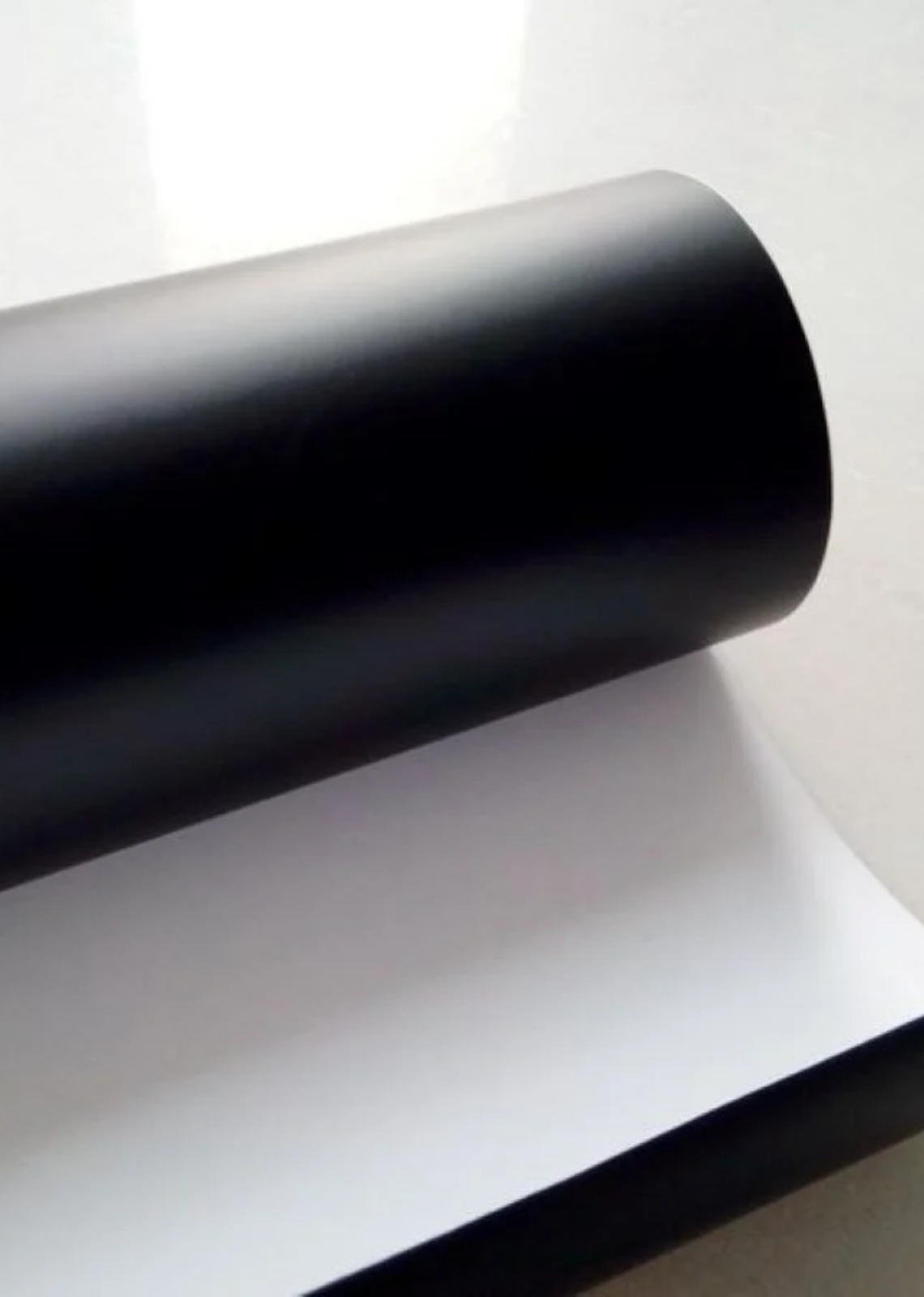
Whiteback refers to the white appearance of the material's reverse side. It is a useful product characteristic to consider when comparing different self-adhesive vinyl options.
Whiteback vinyl is commonly considered for printed graphics where a white backing is appropriate for the intended installation. Greyback and blackback materials have different backing appearances and may be selected for applications where greater light blocking or reduced visibility through the material is required.
It is important not to assume that every whiteback vinyl is fully opaque. If a project requires a specific level of opacity, confirm the product's technical specifications and test it under the expected lighting conditions.
Common Applications of Self-Adhesive Vinyl
Retail Store Branding
Retail businesses use self-adhesive vinyl for promotional graphics, product messaging, sale announcements, window advertising and branded displays. Glossy printed vinyl can be suitable for colourful campaign artwork and product promotions.
Shopping centres and retail destinations across Riyadh, Jeddah and Dammam regularly use printed signage to communicate offers, introduce products and support seasonal campaigns. The choice of vinyl should reflect whether the graphic will be installed on glass, walls, display panels or another surface.
Shopfront and Window Graphics
Shopfront graphics help businesses communicate their identity and promotions before customers enter the premises. Self-adhesive vinyl can be used for logos, opening-hour information, promotional messages and decorative designs on suitable glass or smooth surfaces.
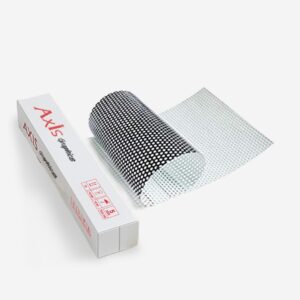
Before applying printed vinyl to windows, installers should confirm that the material is intended for the application and that the adhesive is compatible with the surface. For privacy graphics, perforated window film or frosted vinyl may be more appropriate depending on the required visual effect.
Indoor Wall Graphics
Offices, showrooms, restaurants, schools and commercial properties use wall graphics for branding, decoration, information and wayfinding. Self-adhesive vinyl can support custom designs ranging from simple lettering to large printed images.
Wall condition is particularly important. Smooth, clean and properly prepared surfaces generally provide a more suitable application area than dusty, rough, damp or damaged walls. The paint condition and age should also be checked before installation.
Promotional Stickers and Labels
Printed self-adhesive vinyl can be used to produce promotional stickers, product graphics, identification labels and branded decals. The material can be printed and cut into different shapes, depending on printer and cutting equipment compatibility.
For labels exposed to frequent handling, moisture, cleaning chemicals or sunlight, the required durability should be confirmed before production. A suitable overlaminate may be considered where the application and vinyl system support it.
Exhibition and Event Graphics
Exhibition stands, conference spaces and temporary promotional environments often require custom printed graphics. Self-adhesive vinyl can be applied to suitable panels and display surfaces to create branded backgrounds, product information and directional messages.
For events in Riyadh, Jeddah and other Saudi commercial centres, print shops can produce coordinated graphics for exhibition booths, promotional counters and branded display areas. Correct measurements and surface preparation help achieve a consistent finish.
Choosing the Right Printing Method
Not every self-adhesive vinyl is compatible with every printing technology. Before production, sign makers should confirm whether the selected material supports their printer and ink system.
Large-format printing businesses may work with solvent, eco-solvent, latex or UV printing equipment. The correct choice depends on the product's coating and manufacturer recommendations. Using an incompatible printer or incorrect media settings can result in poor ink adhesion, uneven colour, smudging or other production problems.
A test print is a sensible step when using an unfamiliar material. It allows the operator to check colour reproduction, ink drying, surface appearance and handling before printing a full order.
Artwork should also be prepared at suitable dimensions and resolution. Logos, text and photographs need to remain clear at the intended viewing distance. Correct colour settings and consistent print profiles can help maintain quality across repeat orders.
Surface Preparation and Vinyl Installation
Even good-quality vinyl can produce a poor result if it is applied to an unsuitable surface. Before installation, the substrate should be inspected for dust, oil, grease, moisture, loose paint and other contaminants.
For glass, metal and suitable smooth panels, cleaning and drying are essential preparation steps. Painted walls require additional care because the condition and adhesion of the existing paint can influence the result.
During application, installers should position the graphic carefully and use appropriate tools to control alignment and pressure. Applying the vinyl gradually can help reduce trapped air, wrinkles and uneven adhesion.
Large graphics may require more than one installer, particularly when accurate alignment is important. For complex branding work, experienced sign installers can help reduce waste and improve the finished appearance.
The application temperature and any recommended waiting period after installation should follow the manufacturer's instructions.
Using Self-Adhesive Vinyl in Saudi Arabia
Saudi Arabia's signage and advertising market includes retail developments, commercial offices, hospitality properties, exhibition venues and construction projects. Businesses in Riyadh, Jeddah, Dammam, Khobar and other cities need printing materials for both temporary promotions and long-term branding.
Indoor applications in shopping centres, offices and exhibition halls may have different requirements from graphics installed on exterior shopfronts or exposed outdoor panels. High temperatures, strong sunlight, dust and coastal humidity can influence the performance of signage materials.
For outdoor use, sign makers should verify the vinyl's suitability for the expected exposure. Important factors include adhesive performance, UV resistance, temperature range, surface compatibility and expected service life. A product should not be described as suitable for every outdoor condition without supporting technical information.
For projects involving large quantities, sample testing under realistic conditions can help identify potential problems before full production.
Glossy Vinyl vs Matt Vinyl
Glossy and matt self-adhesive vinyl serve different visual requirements. Glossy vinyl has a reflective surface that can create a brighter appearance, while matt vinyl reduces surface shine and can make text easier to view in certain lighting conditions.
Glossy finishes are often considered for colourful promotional graphics, product images and retail advertising. Matt finishes may be preferred for corporate information, indoor displays and locations where reflections could distract from the message.
Neither finish is automatically better for every project. The decision should be based on the design, surrounding lighting, viewing distance and the client's preferred appearance. When uncertain, printing samples of both finishes can make the comparison easier.
How to Select Self-Adhesive Vinyl for Your Project
Start by identifying the surface where the graphic will be installed. Glass, painted walls, metal panels and display boards can have different requirements. Check that the vinyl and adhesive are suitable for the intended substrate.
Next, consider the appearance of the finished graphic. A glossy finish may suit colourful advertising, while matt or satin media may work better where reduced reflection is important. The whiteback construction should also be assessed according to the project's requirements for appearance and opacity.
Printer compatibility is another important consideration. Confirm the recommended printing technology, ink system and media settings before purchasing material for production. If the graphic will be laminated, check that the vinyl and laminate are compatible.
Finally, consider the installation environment. Indoor promotional graphics, permanent shopfront branding and outdoor signs should not automatically use the same material. Technical specifications and the actual conditions of use should guide the final selection.
Source EverMark Whiteback Vinyl Glossy from Desert Sign
Reliable signage production starts with selecting materials that match the design, printing process and installation requirements. Print shops, advertising agencies and sign makers need consistent media choices to produce professional graphics for retail branding, commercial displays, exhibitions and promotional campaigns.
Desert Sign supplies signage materials and digital printing media for businesses across Saudi Arabia, supporting sign manufacturers, print shops and advertising professionals. Explore
EverMark Whiteback Vinyl Glossy when sourcing glossy whiteback self-adhesive vinyl for suitable printing and signage applications.
Before ordering, confirm the latest product specifications, printer compatibility and recommended applications to ensure the material matches your production requirements.