Description
Aluminium Profiles 3000300122mm: Applications, Benefits and Selection Guide
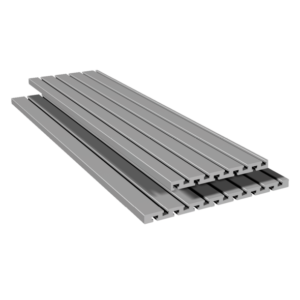
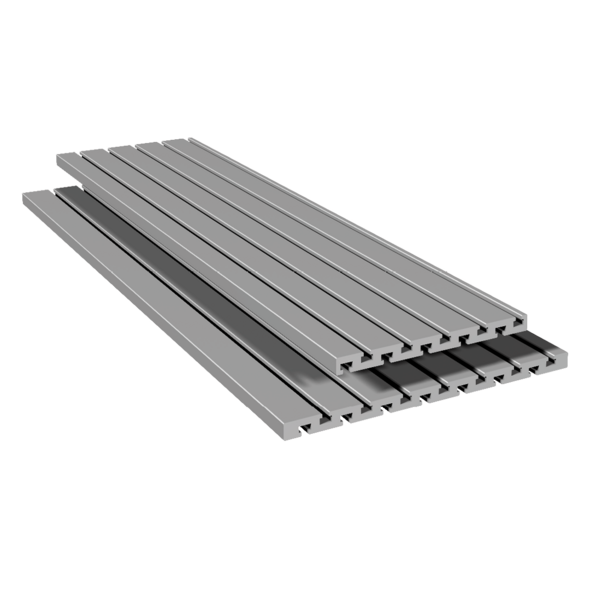
Aluminium Profiles 3000300122mm are useful components for signage fabrication, LED lighting structures, display systems, architectural installations, and custom metalwork. Aluminium is widely selected for these applications because it combines relatively low weight with structural strength, corrosion resistance, clean appearance, and practical fabrication characteristics. For sign makers, exhibition contractors, lighting installers, and architectural fabricators, selecting the correct aluminium profile can improve both the construction and finished appearance of a project.
The dimensions 3000300122mm are an important part of product identification, but the exact profile shape, wall thickness, alloy, finish, joining method, and intended application should always be confirmed from the manufacturer’s technical information. These details determine whether a particular profile is appropriate for an indoor display, illuminated sign, architectural feature, LED installation, or larger fabricated structure.
What Are Aluminium Profiles?
Aluminium profiles are manufactured aluminium sections designed for specific construction, fabrication, framing, support, or finishing applications. They are commonly produced through an extrusion process in which aluminium is formed into a consistent cross-sectional shape.
Unlike flat aluminium sheets, profiles can provide a defined structural form that is easier to assemble into frames and supporting structures. Depending on their design, aluminium profiles may include channels, tracks, framing sections, angles, supports, housings, or specially engineered shapes.
In signage and LED applications, aluminium profiles can help create a neat framework around illuminated components. They may also provide mounting surfaces, structural support, protection, or a finished edge around an installation.
Understanding the 3000300122mm Dimension
The stated 3000300122mm dimensions should be treated as the product’s specified size rather than assuming that every measurement represents the same type of structural dimension. Aluminium products can be described using length, width, height, section dimensions, or packaging dimensions depending on the manufacturer.
The 3000mm measurement indicates a three-metre scale that can be useful for longer fabrication requirements. The remaining dimensions should be checked against the supplier’s technical drawing or product datasheet before fabrication.
For professional projects, measurements should be verified before cutting. This is particularly important when aluminium profiles are being incorporated into light boxes, signage cabinets, exhibition structures, architectural frames, or custom LED installations.
Why Aluminium Is Widely Used for Signage
Aluminium is one of the most practical metals used in modern signage fabrication. Its combination of durability, manageable weight, and resistance to corrosion makes it suitable for many indoor and outdoor sign structures.
Sign manufacturers can use aluminium components when constructing frames, housings, support structures, illuminated cabinets, display systems, and other fabricated signage elements. The material can also provide a clean professional appearance when finished appropriately.
In markets such as Riyadh, Jeddah, Dammam, Khobar, Dubai, Abu Dhabi, and Sharjah, signage is frequently exposed to demanding environmental conditions. Aluminium can be a useful material choice where the fabrication requires a balance between appearance, weight, and long-term performance.
Aluminium Profiles for LED Signage
LED technology has changed the way illuminated signs are designed. Modern light boxes, channel letters, architectural signs, retail displays, and promotional structures often incorporate LED modules, LED flexible strips, power supplies, diffusers, and aluminium components.
An aluminium profile can form part of the physical structure supporting or enclosing these lighting elements. In some applications, aluminium also helps with heat dissipation because of its thermal characteristics.
The profile itself does not automatically guarantee adequate cooling. Heat management depends on the LED type, power density, profile design, installation conditions, ventilation, and overall construction. For higher-power LED systems, the manufacturer’s recommendations should be followed.
Aluminium Profiles for Light Boxes
Illuminated light boxes require a stable structure that can accommodate the lighting system and front-facing sign material. Aluminium profiles can be incorporated into the framework of these structures to create clean edges and mounting points.
The profile selection should consider the dimensions of the light box, the weight of the face material, internal LED arrangement, access requirements, mounting method, and environmental conditions.
For large outdoor signage, fabrication accuracy becomes particularly important. Poorly aligned frames can create uneven gaps, installation difficulties, or visual inconsistencies. Proper cutting, joining, fastening, and finishing can improve the overall quality of the finished sign.
Architectural Lighting Applications
Aluminium profiles are also relevant to architectural lighting. They can be used alongside LED strips and linear lighting systems in ceilings, walls, coves, cabinets, façades, retail interiors, hospitality spaces, and decorative architectural features.
Architects and lighting designers often prefer concealed or integrated lighting because it allows the light source to become part of the architectural detail rather than appearing as a separate fixture.
In hotels, restaurants, offices, shopping centres, villas, showrooms, and commercial properties, aluminium components can help create precise linear lighting installations. The final result depends on the combination of profile design, LED product, diffuser, mounting method, and surrounding architectural materials.
Aluminium Profiles for Exhibition Stands
Exhibition and event structures require materials that can be fabricated, transported, assembled, and reused efficiently. Aluminium profiles can be incorporated into exhibition frames, branded displays, product showcases, backlit walls, counters, and modular structures.
For exhibitions such as GITEX Global in Dubai, retail exhibitions, trade shows, corporate events, and promotional installations, the frame needs to accommodate graphics, lighting, electrical components, and branding elements without creating unnecessary visual bulk.
The choice of aluminium profile should therefore consider portability, assembly method, structural requirements, finish, and compatibility with the other materials being used in the stand.
Aluminium Profiles for Display and Retail Fixtures
Retail environments use fabricated structures for product presentation, illuminated shelves, display cabinets, branded counters, and promotional units. Aluminium profiles can be integrated into these fixtures to create a durable framework while maintaining a modern appearance.
For luxury retail environments, the profile may be combined with glass, acrylic, aluminium composite panels, wood, LED lighting, or other decorative materials. This combination allows designers and fabricators to create customized displays for clothing stores, electronics retailers, jewellery shops, showrooms, and commercial interiors.
The correct profile can also simplify installation by providing a predictable mounting or joining surface.
Aluminium Profiles and Acrylic Signage
Acrylic is frequently used in illuminated signage because of its appearance and light-transmission characteristics. Aluminium and acrylic can work together in fabricated signs where the aluminium provides structural support and the acrylic forms part of the visible illuminated surface.
This combination can be found in corporate signs, reception signs, retail displays, directional signs, light boxes, and decorative branding.
When combining aluminium profiles with acrylic, fabricators should account for the dimensions and fixing method of both materials. Adequate allowances may be required depending on the installation design and environmental conditions.
Aluminium Profiles and ACP Signage
Aluminium Composite Panel (ACP) is another common signage and architectural material. It can be fabricated into panels, cladding elements, sign backgrounds, and decorative structures.
Aluminium profiles can complement ACP by creating framing or support structures around fabricated panels. The result can provide a clean appearance for commercial signs, building façades, reception branding, retail signage, and architectural features.
For exterior projects, the complete assembly should be evaluated rather than selecting the aluminium profile in isolation. Fasteners, sealants, brackets, panels, mounting surfaces, and drainage considerations can all affect the performance of the final installation.
Aluminium Profiles for Channel Letters
Channel letters are three-dimensional signs commonly used for business names, retail branding, hotels, restaurants, offices, and commercial buildings. Aluminium can be used in different parts of channel-letter fabrication depending on the design.
A suitable aluminium section can help create a consistent framework or support structure while allowing LED modules or other components to be installed inside the sign.
The exact construction depends on whether the letters are front-lit, backlit, halo-lit, or designed with another illumination method. Profile dimensions should therefore be matched to the specific letter design rather than selected only by size.
Corrosion Resistance in Gulf Environments
Environmental conditions are an important consideration when choosing aluminium for projects in Saudi Arabia and the UAE. Outdoor installations may experience high temperatures, dust, humidity, sunlight, and, in coastal locations, increased exposure to salty air.
Aluminium naturally forms a protective oxide layer, contributing to its corrosion resistance. However, the overall durability of an installation also depends on the alloy, surface treatment, coating, fabrication quality, fasteners, joints, and surrounding environment.
Projects near coastal areas such as Jeddah, Dammam, Al Khobar, Dubai, and Abu Dhabi may require particularly careful material and finishing selection. Compatibility between aluminium and other metals should also be considered to reduce the risk of galvanic corrosion.
Aluminium Profile Finishes
The visual finish of an aluminium profile can influence the appearance of the completed installation. Depending on the product, aluminium may be supplied with a mill finish, anodised surface, powder coating, or another treatment.
Anodising can provide a durable decorative surface, while powder coating offers a wide range of potential colours and finishes. The correct choice depends on the project requirements, environment, design concept, and manufacturer availability.
For branded signage, the finish may be selected to complement corporate colours or surrounding architecture. For concealed structures, appearance may be less important than dimensional accuracy and functional performance.
Cutting and Fabrication Considerations
Aluminium profiles are commonly cut and fabricated to suit individual project dimensions. Accurate measurements are essential before cutting because mistakes can result in material waste and additional fabrication time.
Professional fabrication may involve cutting, drilling, joining, fastening, bending, or other processes depending on the profile design. The appropriate tools and techniques should be selected based on the aluminium alloy, section geometry, and required finish.
For repeated signage production, consistent cutting dimensions can also improve assembly efficiency. Templates, cutting guides, technical drawings, and accurate measurements can help maintain consistency across multiple units.
Selecting the Right Aluminium Profile
Choosing an aluminium profile should begin with the application rather than the appearance alone. Sign manufacturers and contractors should consider the required dimensions, structural purpose, installation environment, expected load, LED integration, finish, joining method, and accessibility requirements.
For example, a profile used for an indoor retail display may have different requirements from one incorporated into a large outdoor illuminated sign. Similarly, an architectural LED installation may require a profile designed around heat dissipation and diffuser integration.
Before purchasing, verify the product’s dimensions, material specification, section design, thickness, finish, compatibility, and intended application with the supplier or technical datasheet.
Using Different Aluminium Profile Sizes
Different projects require different profile dimensions. A larger installation may require a deeper or wider section, while a compact display may use a smaller profile.
For projects requiring another dimensional configuration, Aluminium Profiles 1000500 122mm can be considered as another option where its specifications match the fabrication requirements.
Using different profile sizes strategically can help fabricators adapt their construction methods to the scale of the sign, display, lighting installation, or architectural structure. However, profiles should not be substituted solely because their dimensions appear similar; their structural design and technical specifications should also be checked.
Aluminium Profiles for Saudi Signage Projects
Saudi Arabia has a growing commercial, retail, hospitality, exhibition, and architectural development sector, creating demand for durable signage and display components. Aluminium profiles can support fabrication requirements for shopping centres, corporate buildings, hotels, restaurants, showrooms, exhibitions, and outdoor advertising structures.
Cities such as Riyadh, Jeddah, Dammam, Al Khobar, and Medina have different environmental and project requirements. A supplier or fabricator should therefore consider the installation location when selecting materials.
For large commercial developments, coordination between the signage contractor, architect, electrical contractor, lighting supplier, and installation team can help ensure that aluminium structures integrate correctly with the overall project.
Aluminium Profiles for UAE Projects
Aluminium profiles are equally relevant to signage and architectural projects across the UAE. In Dubai, they can be used in retail signage, exhibition stands, hospitality interiors, commercial buildings, and illuminated advertising.
In Abu Dhabi and Sharjah, aluminium framing can support commercial signage, architectural lighting, display structures, and custom fabrication projects. The same principles apply across Ajman, Ras Al Khaimah, and other Emirates.
Because outdoor UAE projects can experience intense solar exposure and high ambient temperatures, material selection should consider the complete installation environment rather than relying on the aluminium material alone.
Maintenance of Aluminium Profile Structures
Aluminium generally requires less maintenance than many conventional structural metals, but the completed installation should still be inspected periodically. Outdoor signage can accumulate dust, sand, moisture, and other contaminants.
Maintenance inspections can check for loose fasteners, damaged coatings, corrosion around connections, deformation, water ingress, LED wiring issues, and other signs of deterioration.
For illuminated structures, maintenance should also include the associated LED modules, power supplies, electrical connections, diffusers, and access panels. Keeping the entire system in good condition helps preserve both appearance and operational reliability.
Sustainability and Aluminium
Aluminium is also relevant to modern sustainability discussions because it can be recycled and reused. Recycling aluminium can reduce the need for producing new primary aluminium, although the environmental impact of a particular product depends on its manufacturing process, supply chain, energy source, and recycled content.
For businesses working toward sustainable construction or environmentally responsible exhibition projects, asking suppliers about material origin, recycled content, finishing processes, and end-of-life recycling can provide useful information.
Frequently Asked Questions
What are aluminium profiles used for?
Aluminium profiles are used for framing, signage, LED lighting systems, display structures, architectural details, exhibition stands, retail fixtures, and various fabricated structures. The appropriate application depends on the profile’s shape, dimensions, material specification, and structural characteristics.
Are aluminium profiles suitable for outdoor signage?
Many aluminium profiles can be suitable for outdoor applications, but suitability depends on the product specification, finish, installation method, environmental exposure, and structural requirements. Outdoor projects should use materials and finishes appropriate for the local conditions.
Can aluminium profiles be used with LED lighting?
Yes. Aluminium profiles are commonly incorporated into LED lighting and illuminated signage structures. Depending on the design, they can provide mounting, framing, protection, or heat-dissipation functions. The LED manufacturer’s installation recommendations should always be followed.
What should I check before buying aluminium profiles?
Check the exact dimensions, profile design, material specification, wall thickness, surface finish, application, quantity, cutting requirements, and compatibility with the rest of the project. For structural or outdoor applications, technical documentation is particularly important.
Are aluminium profiles suitable for Saudi Arabia and the UAE?
Aluminium profiles are widely applicable to signage, architectural, retail, exhibition, and lighting projects in Saudi Arabia and the UAE. The correct product should be selected according to the project’s environmental exposure, structural requirements, finish, and intended use.
Conclusion
Aluminium Profiles 3000300122mm can provide a practical foundation for a wide range of signage, LED lighting, display, exhibition, retail, and architectural fabrication projects. Aluminium’s combination of manageable weight, durability, corrosion resistance, clean appearance, and fabrication flexibility makes it an important material for modern commercial installations.
For projects in Saudi Arabia, the UAE, and other Gulf markets, successful profile selection depends on more than dimensions. Fabricators should evaluate the profile’s construction, material specification, finish, installation environment, structural requirements, and compatibility with LED systems, acrylic, ACP, glass, and other components.
Whether the requirement involves an illuminated sign in Riyadh, a retail display in Jeddah, an exhibition stand in Dubai, or architectural lighting in Abu Dhabi, selecting the correct aluminium profile and using accurate fabrication practices can contribute to a stronger, cleaner, and more professional finished installation.