Description
Acrylic Opal Dark Green Light Pass: Applications, Benefits and Uses
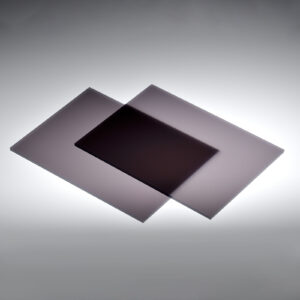
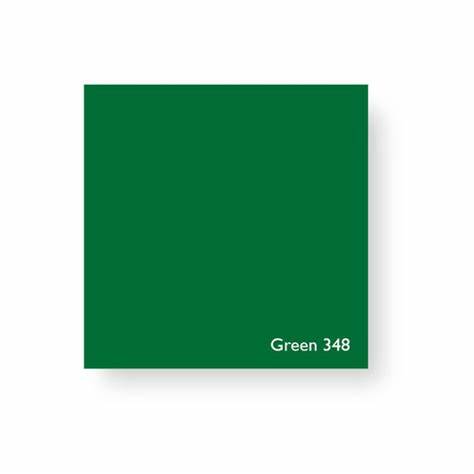
Acrylic Opal Dark Green Light Pass is a specialised acrylic sheet option for signage, illuminated displays, architectural branding, retail interiors, and decorative lighting applications. Its dark green appearance combined with light-transmitting properties makes it useful for projects where designers want a distinctive coloured finish while maintaining controlled illumination.
Opal acrylic is commonly selected for illuminated signage because its surface can soften and distribute light from LED modules or other suitable light sources. The result can be a more consistent visual appearance compared with directly exposing individual LED points. For signage manufacturers, interior designers, exhibition contractors, and advertising companies, dark green opal acrylic can provide both functional light diffusion and a strong visual identity.
What Is Opal Acrylic?
Opal acrylic is a translucent form of PMMA, commonly known as acrylic or acrylic sheet. Unlike transparent acrylic, opal acrylic contains light-diffusing characteristics that reduce the direct visibility of the light source.
An Acrylic Opal Dark Green Light Pass combines this diffusion effect with a dark green colour. Depending on the specific product specification, thickness, and lighting system, it can create a rich green appearance when illuminated or viewed under ambient lighting.
This makes it particularly relevant to illuminated letters, logos, light boxes, display panels, branded walls, retail signage, and decorative architectural features.
Acrylic Opal Dark Green for Illuminated Signage
One of the strongest applications for coloured opal acrylic is illuminated signage. Channel letters and custom logos can use acrylic faces combined with LED modules to create visible branding during both daytime and nighttime conditions.
Dark green can work effectively for brands that use natural, environmental, luxury, hospitality, food, outdoor, or premium visual themes. It can also be combined with white, gold, silver, black, stainless steel, aluminium, and other signage finishes.
The final illuminated effect depends on the acrylic specification, LED colour, module spacing, brightness, depth of the letter or light box, and viewing distance. Sign makers should therefore test the complete combination before large-scale production.
Light Diffusion and LED Compatibility
A major reason to consider opal acrylic is its ability to diffuse light. When LEDs are positioned behind an appropriate acrylic face, the material can help distribute illumination across the visible surface.
This is particularly useful for channel letters, illuminated logos, light boxes, wayfinding signs, retail displays, and decorative panels. Correct LED positioning is important because insufficient depth or unsuitable spacing can create bright spots and uneven illumination.
For projects requiring a lighter green appearance or another transmission characteristic, Acrylic Opal Green Light Pass – 347 can be considered as an alternative depending on the required colour and lighting effect.
Channel Letters and 3D Signage
Dark green opal acrylic can be fabricated into faces for three-dimensional channel letters and branded lettering. When combined with aluminium or other suitable letter bodies, it can produce illuminated corporate names, retail logos, hotel signage, restaurant branding, and commercial identification signs.
The material can also be used for custom-shaped logos where the brand requires a particular colour identity. CNC routing, laser cutting, drilling, and other fabrication processes may be suitable depending on the sheet specification and project requirements.
Accurate artwork and production drawings are important before fabrication, especially for complex logos or small lettering.
Light Boxes and Display Panels
Light boxes are another practical application for opal acrylic. A translucent coloured face can change the appearance of a light box from a conventional white illuminated panel into a distinctive branded feature.
Retail stores can use dark green illuminated panels for promotional displays, product backgrounds, brand walls, and point-of-sale installations. Hotels, restaurants, cafés, shopping centres, and corporate spaces can also incorporate coloured light boxes into their interior identity.
The acrylic should be selected according to the required viewing distance, panel dimensions, lighting intensity, and desired level of translucency.
Retail and Commercial Interior Design
Beyond conventional signage, Acrylic Opal Dark Green Light Pass can support contemporary interior design concepts. It can be incorporated into reception areas, feature walls, display cabinets, counters, partitions, decorative panels, and branded architectural elements.
Green tones are often associated with nature, freshness, sustainability, and premium lifestyle environments. When combined with timber, brushed metal, marble, stone, warm lighting, or neutral finishes, dark green acrylic can create a distinctive visual contrast.
In commercial interiors across Dubai, Abu Dhabi, Riyadh, and Jeddah, coloured acrylic can be used to develop custom features that connect interior design with corporate branding.
Exhibition Stands and Event Displays
Exhibition stand contractors can use coloured opal acrylic for illuminated branding, reception counters, product displays, logos, decorative walls, and interactive display structures.
At exhibitions and trade events in Dubai, Riyadh, Abu Dhabi, and Jeddah, exhibitors compete for attention within large halls containing numerous brands. A strong combination of colour, lighting, dimensional lettering, and architectural form can make a stand easier to recognise from a distance.
Dark green opal acrylic can be integrated with aluminium profiles, LED modules, digital screens, fabric graphics, and other exhibition materials to create a coordinated display.
Outdoor Signage Considerations
Acrylic is widely used in signage, but suitability for outdoor installation depends on the exact grade, thickness, exposure conditions, fabrication, and supporting structure. Projects exposed to strong sunlight, heat, dust, humidity, or frequent temperature changes should use materials and components appropriate for the environment.
This is especially relevant in Gulf locations such as Riyadh, Jeddah, Dammam, Dubai, Sharjah, and Abu Dhabi, where outdoor signage can experience high temperatures and intense solar exposure.
For exterior applications, the complete signage system should be evaluated rather than considering the acrylic face alone. LED modules, power supplies, aluminium structures, seals, fixings, and ventilation can all affect long-term performance.
Fabrication and Installation
Proper fabrication is essential for achieving a clean illuminated result. Before cutting Acrylic Opal Dark Green Light Pass, signage manufacturers should confirm the required dimensions, thickness, artwork, bending requirements, fixing method, and lighting arrangement.
Protective film should remain on the acrylic during fabrication and handling where practical. Cutting and drilling should be performed using appropriate equipment and techniques to minimise cracking, melting, chipping, or surface damage.
During installation, avoid excessive pressure on acrylic panels and use suitable mounting methods for the application. Large illuminated signs may require a supporting frame rather than relying solely on the acrylic sheet.
How to Select the Right Opal Acrylic
The correct acrylic should be selected based on the application rather than colour alone. Important considerations include sheet thickness, dimensions, light transmission, diffusion characteristics, colour appearance, LED compatibility, fabrication method, indoor or outdoor exposure, and required viewing distance.
For illuminated signage, it is useful to create a sample section before manufacturing a large quantity. This allows the designer and signage fabricator to assess the actual green tone, illumination uniformity, brightness, and appearance under the intended lighting conditions.
Always refer to the manufacturer’s technical datasheet for exact material properties.
Maintenance and Cleaning
Opal acrylic surfaces should be maintained using soft, non-abrasive cleaning materials and acrylic-compatible cleaning solutions. Abrasive pads and aggressive solvents can damage the surface or alter its appearance.
Outdoor signs may require more frequent cleaning because dust, sand, pollution, and environmental deposits can accumulate on the visible surface. Gentle maintenance helps preserve the colour and overall appearance of the finished sign.
Frequently Asked Questions
What is Acrylic Opal Dark Green Light Pass used for?
It can be used for illuminated channel letters, logos, light boxes, retail displays, exhibition stands, decorative panels, architectural branding, and other applications requiring coloured light transmission.
Can dark green opal acrylic be illuminated with LEDs?
Yes, when the acrylic specification is suitable for the intended lighting system. LED type, spacing, brightness, letter depth, and acrylic characteristics should be considered together.
Is dark green acrylic suitable for retail signage?
Yes. Its distinctive colour can support branded displays, illuminated logos, feature panels, point-of-sale structures, and decorative retail installations.
Can it be used for outdoor signage in Saudi Arabia?
Potentially, depending on the exact acrylic grade and complete signage construction. Outdoor projects should account for UV exposure, heat, dust, structural support, LED components, and installation conditions.
Conclusion
Acrylic Opal Dark Green Light Pass provides signage manufacturers, designers, and fabricators with a distinctive material option for coloured illuminated applications. Its combination of dark green appearance and light-diffusing characteristics can support channel letters, logos, light boxes, retail displays, exhibition structures, and architectural branding.
For projects across Saudi Arabia and the UAE, the material can be integrated with LED modules, aluminium profiles, acrylic fabrication, digital signage, and custom-built structures. Careful selection of thickness, lighting configuration, fabrication technique, and installation method is essential for achieving a consistent and professional result.