Description
KJET PAPER Application Tape for Vinyl Graphics and Signage in Saudi Arabia
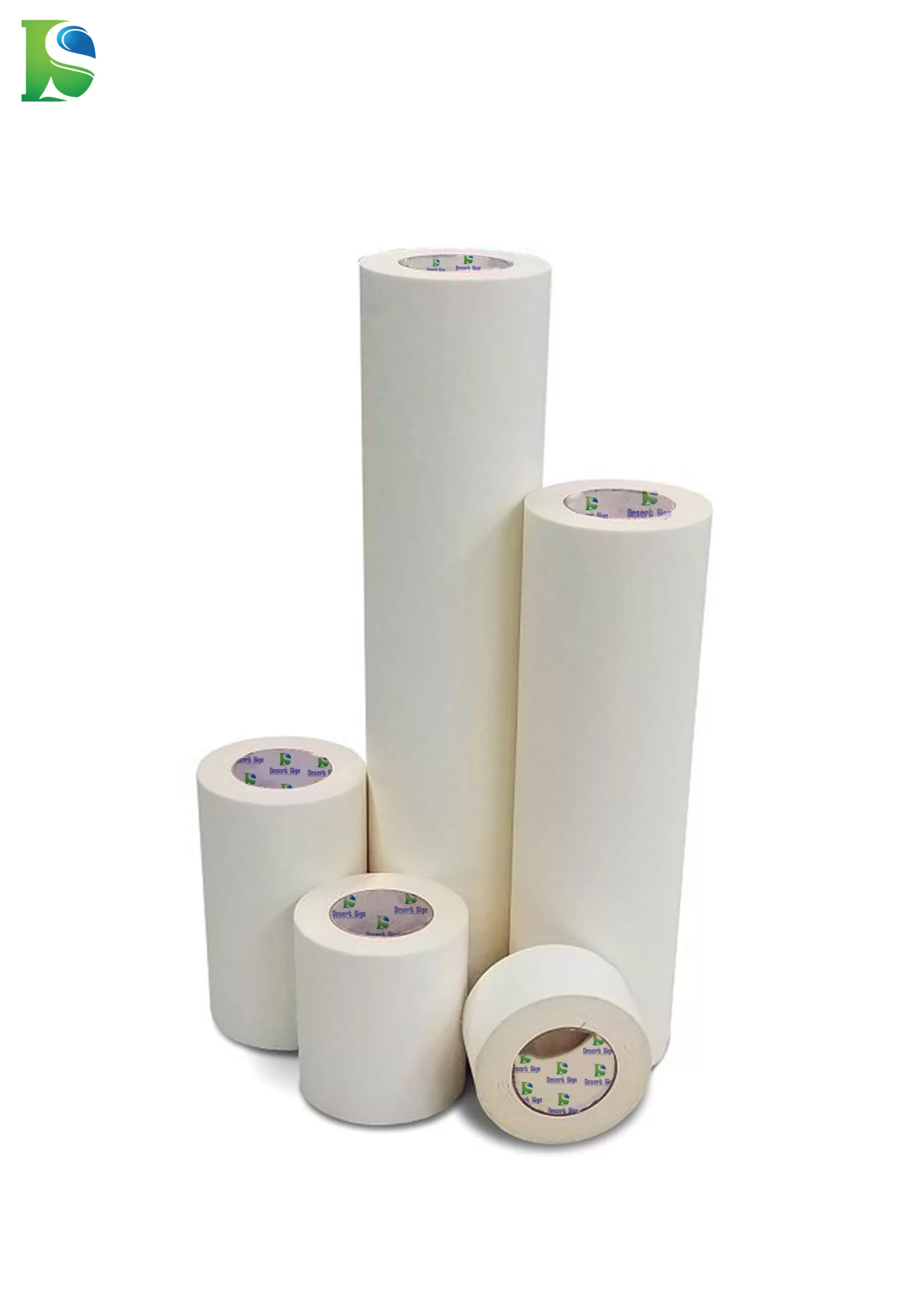
KJET PAPER Application Tape is a practical transfer material used in sign making, vinyl lettering, digital graphics, advertising, retail branding, vehicle graphics, and exhibition displays. Application tape helps move cut vinyl designs from their release liner to the final surface while keeping individual letters, symbols, and graphic elements in their intended position.
For professional sign makers and digital printing businesses in Saudi Arabia, a reliable paper application tape can make vinyl installation more controlled and efficient. It is particularly useful when a design contains multiple letters, detailed shapes, logos, or separate graphic elements that would be difficult to position individually.
Understanding how application tape works, how to prepare the substrate, and how to select the right transfer material can help improve installation quality and reduce material waste.
What Is KJET PAPER Application Tape?
KJET PAPER Application Tape is a paper-based transfer material designed to assist with the application of adhesive vinyl graphics. It temporarily holds the vinyl design together while the graphic is transferred from its release liner to another surface.
In a typical vinyl production process, a cutting plotter cuts letters, logos, shapes, or other designs into self-adhesive vinyl. The unwanted material is removed during weeding, leaving the required graphic on the release liner.
Application tape is then placed over the finished design. Once it has been properly applied, the tape can lift the vinyl while maintaining the arrangement of the individual elements. The complete graphic can then be positioned on glass, acrylic, aluminium, PVC foam board, painted panels, vehicles, or other suitable substrates.
How Does Paper Application Tape Work?
Application tape creates a temporary carrier for vinyl graphics. The adhesive strength of the tape must be balanced carefully: it needs enough tack to lift the vinyl but should also allow the tape to be removed after the graphic has bonded to the target surface.
The general process starts with preparing the cut vinyl and removing unwanted material. The application tape is placed over the design and pressed evenly so that the vinyl adheres to the tape.
The liner is then removed, allowing the installer to position the complete graphic. After the vinyl is transferred to the substrate, the paper tape is carefully peeled away.
This approach is particularly useful for lettering because it maintains consistent spacing and alignment between individual characters.
KJET PAPER Application Tape for Vinyl Lettering
Vinyl lettering is one of the most common applications for transfer tape. Individual letters can easily move or become misaligned when installed separately, particularly when a sign contains small text or multiple lines.
Paper application tape allows the installer to handle the lettering as one unit. Company names, opening hours, contact information, directional messages, safety notices, and promotional text can be transferred while maintaining the original layout.
This can be especially useful for commercial signage where consistency and professional presentation are important.
For small lettering, the installer should make sure the tape has sufficient contact with the vinyl before attempting to lift the design.
Application Tape for Logos and Brand Graphics
Corporate logos frequently contain multiple shapes, colours, and small design elements. Applying each element separately can increase the chance of spacing or positioning errors.
Application tape helps keep compatible vinyl components together during transfer. This allows the installer to position the complete logo before pressing it permanently onto the surface.
Retail stores, restaurants, offices, showrooms, property developments, and corporate facilities can all use adhesive vinyl graphics for branding.
In multi-location projects, controlled transfer can also help installers reproduce a consistent appearance across different sites.
Using Paper Application Tape With Digital Printing
Digital printing and vinyl cutting are widely used for commercial graphics. Printed adhesive films may be laminated for additional protection depending on the application, while cut vinyl is commonly used for lettering and simple graphic shapes.
Not every digitally printed vinyl product requires application tape. However, cut vinyl designs and multi-piece graphics can benefit significantly from a suitable transfer material.
Before starting production, the installer should identify whether the graphic is compatible with application tape and whether the selected tape provides the appropriate level of adhesion.
Testing the combination of vinyl and transfer tape on a small sample can help avoid problems during a large installation.
Surface Preparation for Vinyl Installation
Good surface preparation is essential for successful vinyl application. Application tape is designed to transfer the graphic; it cannot compensate for a contaminated or unsuitable substrate.
The target surface should generally be clean, dry, and free from dust, grease, oil, loose particles, and other contaminants.
Common substrates include glass, acrylic, aluminium, aluminium composite panels, painted metal, PVC foam board, and smooth interior surfaces. Each substrate can have different characteristics, so compatibility should be considered before installation.
For painted surfaces, installers should ensure that the paint is firmly bonded and sufficiently cured.
Outdoor projects also require consideration of environmental conditions such as heat, sunlight, moisture, and dust.
KJET PAPER Application Tape for Retail Signage
Retail businesses use vinyl graphics for storefront branding, window lettering, promotional messages, product information, seasonal campaigns, and interior decoration.
Paper application tape can make these installations easier when the design contains multiple individual vinyl pieces.
For example, a retail window graphic may include a logo, promotional wording, pricing information, and decorative elements. Instead of positioning every element separately, the installer can transfer the compatible design as a single arrangement.
This can improve efficiency while helping maintain the intended visual layout.
Application Tape for Exhibition Stands
Exhibition contractors often need to install branding elements quickly before an event opens. Vinyl lettering and graphics may be applied to exhibition walls, reception counters, display panels, promotional structures, and other booth components.
Application tape can help transfer these graphics accurately without requiring each letter to be positioned individually.
This is relevant to major exhibition activity in Riyadh and Jeddah. Venues such as Riyadh Front Exhibition & Conference Center and Riyadh International Convention & Exhibition Center host events where exhibitors use temporary branding, promotional graphics, directional signage, and custom booth displays.
For temporary projects, installers should also consider how easily the vinyl and application tape can be removed from the selected surface.
Vehicle Graphics and Decals
Vehicle lettering and decals require careful positioning because the graphic may need to follow a specific panel, door, window, or body line.
Application tape can help keep cut vinyl lettering and compatible graphic elements aligned during transfer.
Before application, the vehicle surface should be thoroughly cleaned and prepared. Dirt, wax, grease, and other contaminants can interfere with adhesive contact.
Vehicle graphics are also exposed to sunlight, temperature changes, washing, road dust, and other environmental conditions. The vinyl and adhesive system should therefore be selected according to the intended application and expected exposure.
Choosing Application Tape for Different Vinyl Projects
The ideal application tape depends on the vinyl film, graphic size, lettering detail, surface, and installation technique.
Tack is an important consideration. If the tape does not grip the vinyl sufficiently, small letters or intricate graphics may remain on the liner. If the tape grips too aggressively, removing it after installation may become difficult.
Paper application tape can be particularly practical for many general sign-making applications because it provides a manageable carrier for vinyl transfer.
Professional installers should follow the recommendations supplied for the specific tape and vinyl combination rather than assuming every transfer material will perform identically.
Common Problems During Vinyl Transfer
A common problem occurs when some vinyl pieces remain attached to the release liner. This can happen because of insufficient pressure, poor weeding, unsuitable tack, or incompatibility between the transfer tape and vinyl.
Another problem is lifting the graphic incorrectly during installation. Pulling the tape too aggressively can disturb small lettering or detailed elements.
Wrinkles, bubbles, and alignment problems may also occur if the substrate has not been properly prepared or the graphic is positioned without adequate control.
Working carefully and testing unfamiliar material combinations can significantly reduce these issues.
KJET PAPER Application Tape in Saudi Arabia
Saudi Arabia’s commercial signage market includes sign manufacturers, digital printers, advertising companies, retail branding specialists, exhibition contractors, and vehicle graphic installers.
Businesses operating in Riyadh, Jeddah, Dammam, Khobar, Al Olaya, King Fahd Road, Al Malaz, and Al Nakheel may work with a wide range of vinyl and signage applications.
The country’s climate also makes material selection important. Outdoor installations can experience strong sunlight, high temperatures, dust, and humidity depending on the location. The transfer tape itself is used during installation, but the long-term performance of the finished vinyl depends primarily on the vinyl adhesive system and substrate preparation.
For professional projects, installers should therefore distinguish between the requirements of the transfer process and the requirements of the finished graphic.
KJET PAPER Application Tape vs. PVC Application Tape
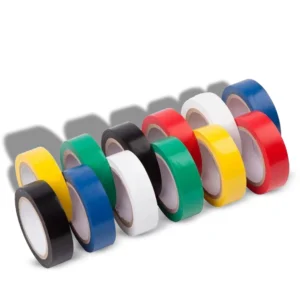
Paper and PVC application tapes serve a similar fundamental purpose: transferring adhesive vinyl graphics from the release liner to the final surface.
The practical differences can involve flexibility, handling, transparency, conformability, tack, and the type of graphics being installed. PVC application tape may offer characteristics that are useful for certain applications, while paper tape can provide convenient handling for many standard sign-making tasks.
The choice should be based on the vinyl manufacturer’s recommendations, the graphic design, installation conditions, and the installer’s preferred working method.
For another transfer-tape option, PVC Application Tape can be considered when the project calls for a PVC-based application tape.
Why Professional Sign Makers Use Application Tape
Application tape saves time by allowing multiple vinyl elements to be transferred together. It also helps reduce positioning errors and provides better control over detailed lettering and logos.
For sign-making workshops handling multiple orders, these advantages can contribute to a more organized production process. Correct transfer technique also reduces the likelihood of wasting vinyl because of misaligned or damaged graphics.
The final result still depends on the complete installation process, including vinyl quality, substrate preparation, environmental conditions, pressure, positioning, and removal technique.
Final Thoughts
KJET PAPER Application Tape is a useful transfer material for sign makers, digital printers, advertising companies, exhibition contractors, and vinyl installers. By temporarily holding adhesive vinyl graphics together, it helps transfer lettering, logos, decals, and compatible graphic elements while preserving their intended arrangement.
The best results come from matching the application tape to the vinyl and installation requirements. Clean surfaces, correct pressure, suitable tack, careful positioning, and controlled tape removal all contribute to a professional finish.
For Saudi Arabia’s signage and advertising industry, application tape remains a practical part of the vinyl installation workflow, supporting everything from retail window graphics and corporate branding to exhibition displays, vehicle lettering, and commercial signage.