Description
Photoluminescent Film Yellow-Green (4h) for Safety & Emergency Signage
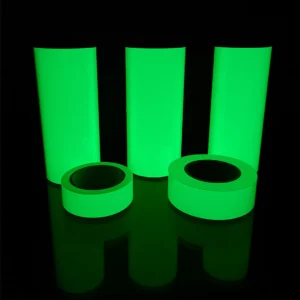
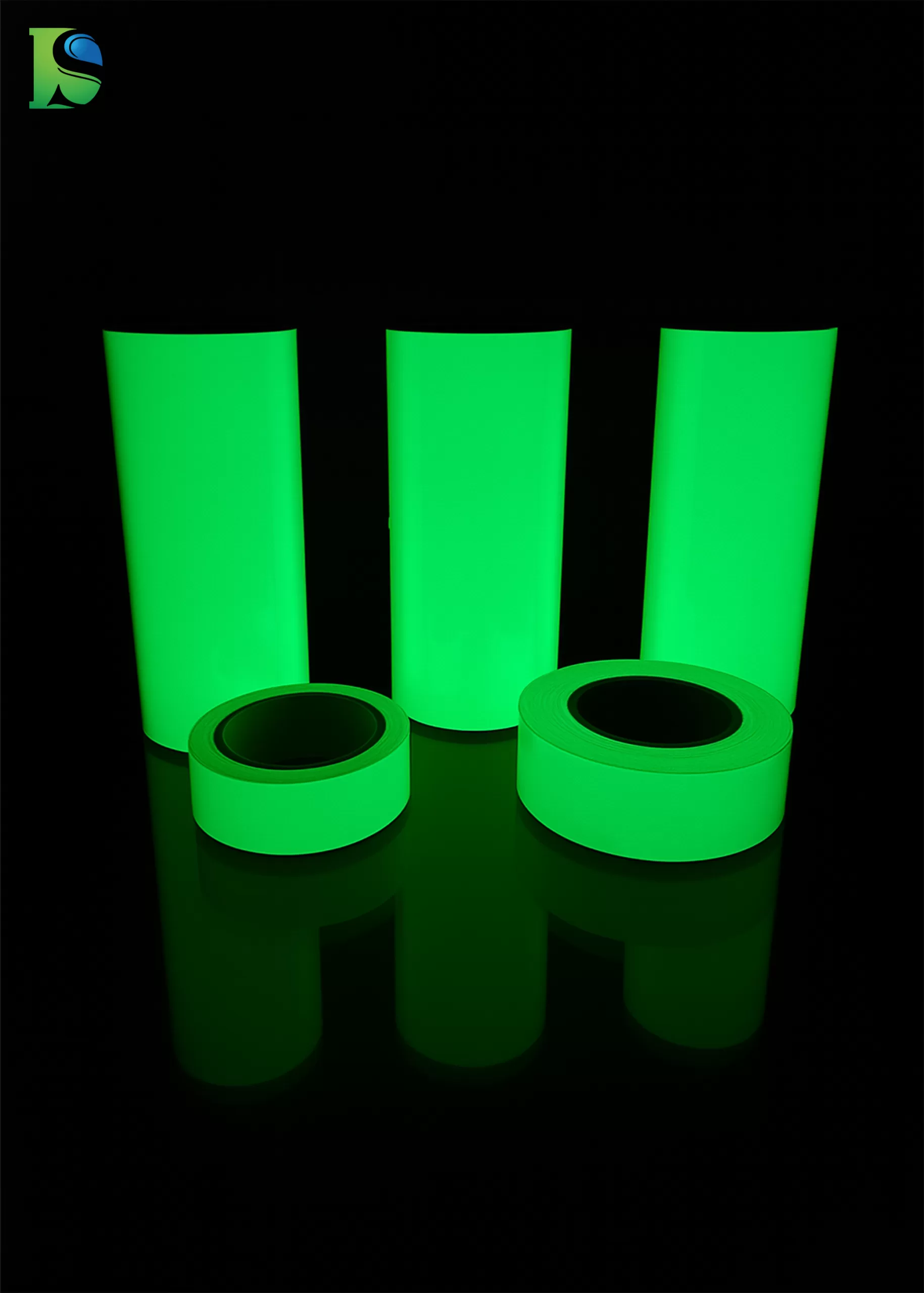
Photoluminescent Film Yellow-Green (4h) is a visibility-focused material used for safety signage, emergency wayfinding, evacuation routes and identification markings. Photoluminescent films absorb available light and release it gradually as visible afterglow when surrounding illumination becomes reduced.
The yellow-green appearance is commonly associated with safety and emergency applications, making this type of film suitable for signs and markings that need to remain recognizable when normal lighting is unavailable or reduced. In Saudi Arabia, it can be considered for commercial buildings, offices, hotels, warehouses, schools, public facilities and industrial environments.
What Is Photoluminescent Film?
Photoluminescent film is a light-reactive signage material that stores energy from surrounding light and releases it as visible illumination. Unlike electrically powered signs, the film itself does not require a continuous electrical connection to create its afterglow.
It can be converted into safety signs, arrows, symbols, labels and route markings depending on the application.
The “4h” designation in the product name may indicate an intended afterglow duration or performance classification. However, the exact meaning, brightness and testing standard should always be verified through the manufacturer’s technical documentation before specifying the material for a safety-critical project.
Why Yellow-Green Is Suitable for Safety Signage
Yellow-green is a visually prominent colour that can provide strong contrast in many environments. This makes it useful for emergency identification and wayfinding systems where signs need to be quickly recognized.
Photoluminescent film can be incorporated into:
- Emergency exit signs
- Evacuation route markings
- Directional arrows
- Stairway identification
- Door markings
- Safety symbols
- Fire safety signs
- Floor-level guidance
- Corridor markings
- Equipment identification
The film should be considered as part of a complete safety system rather than a replacement for emergency lighting, illuminated exit signs or other required life-safety equipment.
Photoluminescent Film for Emergency Wayfinding
Large commercial properties can have complicated layouts with multiple corridors, staircases, entrances and service areas. During an emergency, people may need clear visual information to identify the safest route.
Photoluminescent markings can provide a recognizable visual reference when general lighting is reduced. Directional arrows, exit indicators and route markers can help create a consistent wayfinding system.
Hotels, shopping centres, offices, hospitals, educational buildings and warehouses can all have different requirements. Sign placement, viewing distance, symbols and accessibility should therefore be considered during the design stage.
Applications in Commercial Buildings
Photoluminescent materials can be useful across different building types.
Office buildings: Emergency route markers can be incorporated into corridors, staircases and exit areas.
Hotels: Photoluminescent signs can support wayfinding along guest corridors and evacuation routes.
Shopping centres: Large floor areas can require clearly identifiable emergency directions.
Warehouses: Route and safety markings can help identify designated paths and emergency locations.
Schools and universities: Clear emergency signage can assist students, staff and visitors.
Industrial facilities: Safety markings can become part of a wider workplace safety communication system.
The final application should always be assessed according to the building layout and applicable safety requirements.
Photoluminescent Film for Fire Safety Signage
Fire and emergency signage communicates information that may become particularly important during a power interruption or emergency event.
Photoluminescent film can be incorporated into suitable exit signs, directional graphics, fire equipment identification and evacuation route markings.
However, effective safety signage involves more than the material itself. The design should consider symbol recognition, text size, contrast, mounting height, viewing distance and placement.
For commercial projects in Saudi Arabia, building owners, consultants and contractors should verify applicable local regulations and project-specific requirements before selecting safety signage materials.
Saudi Arabia Applications
Photoluminescent film can have applications across commercial and industrial developments throughout Saudi Arabia.
In Riyadh, the material can be considered for offices, hotels, shopping centres, warehouses, mixed-use developments and large commercial buildings.
In Jeddah, it may be used in hotels, retail facilities, residential towers, logistics buildings and commercial properties.
In Dammam and Khobar, industrial facilities, warehouses, offices and commercial developments may require comprehensive safety signage systems.
It can also be relevant to projects around major business areas such as Al Olaya, King Fahd Road, the Diplomatic Quarter and other high-density commercial districts.
Stairways, Corridors and Exit Routes
Staircases and corridors are important parts of emergency evacuation systems. In an emergency, visibility can be affected by reduced lighting, smoke or unfamiliar surroundings.
Photoluminescent film can be used for suitable directional markings, arrows, door identification and staircase signage.
A consistent visual language is important. Using standardized symbols and directional indicators can make emergency information easier to understand.
Floor-level or low-mounted markings may also be considered where appropriate, depending on the project design and applicable requirements.
Combining Photoluminescent and Reflective Materials
Different visibility materials operate in different ways. Photoluminescent films store light and produce an afterglow, while reflective materials return external light toward its source.
For certain applications, reflective signage can be useful where illumination from vehicles, flashlights or other external sources is expected.
For example, Honeycomb PVC Green Transluscent Reflective can be considered where a green reflective material is required for a particular signage or visibility application.
These materials should not automatically be treated as interchangeable. The correct selection depends on the lighting environment, viewing conditions, application and required performance.
Photoluminescent vs Reflective Film
Photoluminescent and reflective films can both support visibility but work differently.
A photoluminescent film absorbs available light and releases it gradually as visible afterglow after the surrounding light level decreases.
A reflective film does not normally generate its own illumination. Instead, it reflects incoming light toward its source.
A project may use different materials in different areas depending on whether the main requirement is emergency afterglow, visibility under headlights or general visual contrast.
Installation Considerations
The performance and appearance of a film can be affected by installation quality. The substrate should generally be clean, dry, smooth and compatible with the film’s adhesive system.
Dust, oil, moisture and surface contamination can reduce adhesion and cause lifting, bubbles or premature failure.
During installation, fabricators should avoid stretching the material unnecessarily and should follow the manufacturer’s instructions for application temperature, storage and surface preparation.
Edges should be properly finished, especially in areas exposed to frequent contact or cleaning.
Maintenance and Visibility
Safety signage needs to remain clean, visible and unobstructed. Dust, dirt or physical damage can reduce the clarity of symbols and markings.
Routine building inspections should check whether signs are securely attached and whether they remain visible from the intended viewing distance.
It is also important to consider the light exposure needed to activate the photoluminescent material. Afterglow performance depends on the product characteristics and the amount and type of light received before the surrounding illumination is reduced.
Damaged or heavily contaminated signs should be assessed and replaced where necessary.
How to Choose Photoluminescent Film
Before selecting Photoluminescent Film Yellow-Green (4h), consider the following factors:
- Required afterglow performance
- Product dimensions
- Substrate compatibility
- Adhesive requirements
- Indoor or outdoor location
- Available light exposure
- Viewing distance
- Required symbols and graphics
- Building safety requirements
- Manufacturer testing and documentation
For major commercial projects, safety signage should be coordinated with emergency lighting, fire protection, evacuation planning and building wayfinding.
Final Thoughts
Photoluminescent Film Yellow-Green (4h) can support emergency wayfinding, evacuation signage, staircase identification, safety markings and other visibility-focused applications. Its ability to absorb available light and produce an afterglow makes it different from conventional printed and reflective materials.
For buildings across Riyadh, Jeddah, Dammam, Khobar and other Saudi commercial centres, photoluminescent film can form part of a broader safety communication strategy. Correct material selection, professional installation, adequate light exposure, routine maintenance and compliance with applicable requirements are important for achieving dependable performance.