Description
Honeycomb PVC Green Translucent Reflective for High-Visibility Signage in Saudi Arabia
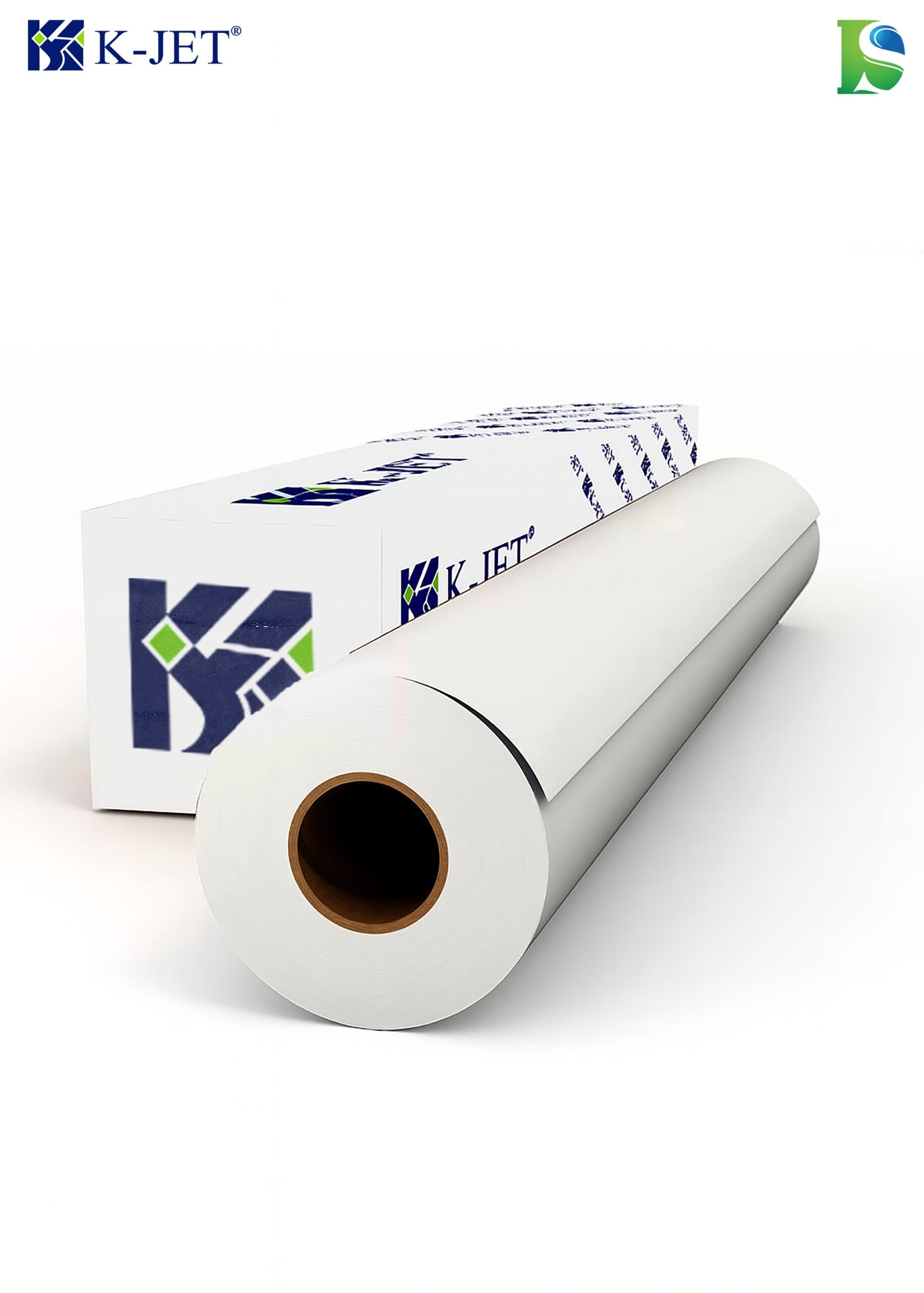
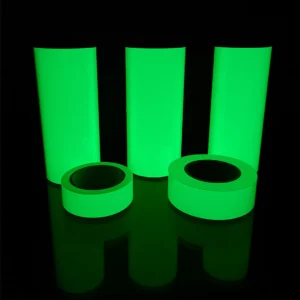
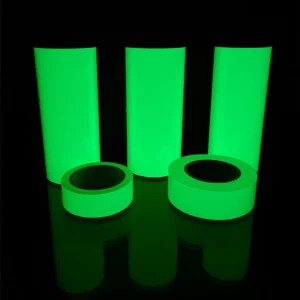
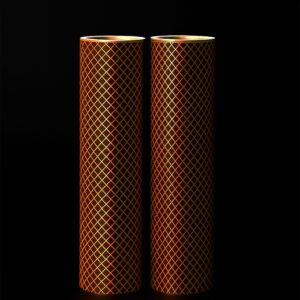
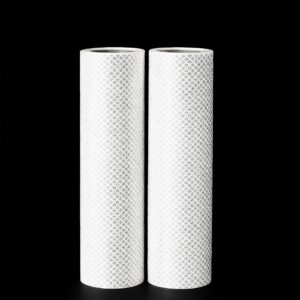
Honeycomb PVC Green Translucent Reflective is a specialized reflective signage material designed for applications where colour, visibility, and nighttime recognition are important. Its green translucent appearance can be used for selected traffic, directional, safety, identification, and wayfinding signage where a green visual system is required.
Reflective materials are particularly useful when signs need to remain noticeable after dark. When vehicle headlights illuminate a retroreflective surface, the optical structure returns light toward the source, making the sign appear brighter to approaching drivers. For professional sign makers and signage contractors in Saudi Arabia, this type of material can support outdoor communication across commercial, industrial, transportation, construction, and tourism environments.
What Is Honeycomb PVC Green Translucent Reflective?
Honeycomb PVC Green Translucent Reflective is a PVC-based reflective material with a green translucent visual appearance and a structured optical surface intended to provide retroreflective visibility.
The honeycomb terminology generally refers to the optical construction or pattern associated with certain reflective sheeting products. Instead of simply reflecting light like a glossy surface, retroreflective material is designed to return incoming illumination toward its source.
The translucent green appearance can be useful when a project requires a specific green visual identity while retaining reflective properties.
Exact optical performance, outdoor durability, adhesive construction, printing compatibility, and regulatory classification depend on the specific product. These characteristics should therefore be confirmed using the manufacturer’s current technical information before using the material for regulated road or safety signage.
Understanding Green Reflective Signage
Colour can play an important role in signage communication. Green is commonly associated with directions, destinations, permitted movement, routes, facilities, and selected information systems.
A green reflective face can provide a strong visual identity for signs while allowing the reflective surface to become more noticeable when illuminated by vehicle headlights.
The final sign design should consider contrast, typography, symbols, arrow direction, viewing distance, and surrounding lighting. Reflectivity alone does not make a sign effective if the information is difficult to read.
For professional sign fabrication, the complete combination of reflective material, graphics, substrate, installation position, and lighting conditions should be considered.
Green Reflective Material for Directional Signs
Directional signs are among the most common applications for coloured reflective materials. Drivers and visitors may need to identify entrances, exits, destinations, parking areas, facilities, and access roads.
Green reflective signage can support these systems where green is specified or appropriate for the project.
Large commercial developments, hospitals, universities, hotels, residential communities, industrial facilities, and tourism destinations can all require structured wayfinding.
In Riyadh, for example, large developments around King Fahd Road, Al Olaya, and Al Nakheel may include multiple entrances, parking areas, service roads, and visitor destinations. A consistent signage system can help drivers understand these routes quickly.
Reflective Road and Traffic Signage
Reflective sheeting is widely used in road-sign manufacturing because nighttime visibility is an important consideration for drivers.
Green reflective materials may be suitable for particular traffic or directional applications depending on the applicable road-sign system and project specifications.
Professional sign manufacturers should not assume that every green reflective sheet is automatically approved for public-road use. The required reflective performance, colour coordinates, durability, substrate, and other characteristics may be specified by the relevant authority.
For regulated projects in Saudi Arabia, the approved material specification should always be checked before fabrication.
Green Reflective Wayfinding for Commercial Properties
Commercial properties often require wayfinding systems that remain clear throughout the day. Visitors may arrive early in the morning, late at night, or during periods of reduced ambient lighting.
Reflective signage can support directions to:
- Building entrances
- Parking areas
- Visitor reception
- Loading zones
- Service entrances
- Emergency routes
- Pedestrian areas
- Exit roads
- Specific facilities
Green reflective material can provide a consistent colour identity where the property’s signage system uses green for specific categories of information.
Tourism and Cultural Signage
Green is also widely associated with nature, destinations, travel, and certain cultural or tourism environments. Reflective green signage can therefore be relevant to selected tourism and visitor-wayfinding projects.
Saudi Arabia’s growing tourism infrastructure includes heritage destinations, visitor centres, museums, parks, recreational facilities, and cultural attractions.
Locations such as AlUla and Diriyah require carefully planned wayfinding so visitors can move between parking areas, entrances, attractions, visitor services, and surrounding roads.
The colour, typography, bilingual layout, symbols, and reflective properties should all follow the relevant destination or authority’s approved design system.
Green Reflective Signage for Industrial Areas
Industrial and logistics environments require clear identification because vehicle traffic can continue throughout the day and night.
Warehouses, factories, logistics compounds, industrial facilities, and service yards can use reflective directional signs for vehicle routes, loading areas, restricted zones, parking, entrances, and facility identification.
Dammam and Al Khobar have substantial industrial, logistics, commercial, and energy-related activity. Outdoor signage in these environments can be exposed to dust, vehicle pollution, sunlight, humidity, and mechanical wear.
Reflective materials should therefore be selected according to the actual environment and expected service conditions.
Green Reflective Safety Signage
Reflective signage can support safety communication where signs need to remain visible under vehicle headlights.
Applications may include vehicle movement directions, parking restrictions, restricted areas, access instructions, facility identification, and selected warning or information signs.
The colour and symbol system should always match the project’s safety plan. Green should not be used simply because it looks attractive; the sign’s colour should communicate information consistently within the overall signage system.
For industrial and commercial properties, combining reflective visibility with clear pictograms can make information easier to recognize at a distance.
Reflective Vinyl and Honeycomb Reflective Sheeting
Different reflective materials serve different applications. Conventional reflective signage vinyl may be suitable for certain commercial graphics, while structured high-performance reflective sheeting can be selected for more demanding applications.
For projects requiring another high-performance reflective material or a brown reflective finish, Honeycomb H2500 Diamond Grade Brown Reflective can be reviewed as another option.
The correct choice depends on colour requirements, reflective performance, application type, printing or cutting method, substrate, outdoor exposure, and applicable specifications.
Fabrication and Graphic Application
Professional fabrication is important when working with reflective materials. The substrate should be clean, smooth, dry, and free from dust, oil, grease, oxidation, and other contaminants.
Depending on the product, graphics may be produced through compatible printing, cut vinyl, overlays, or other approved methods.
If digital printing is required, the sign maker should verify printer and ink compatibility before beginning production. Reflective surfaces can behave differently from standard vinyl, and incorrect printing or curing can affect the finished appearance.
Large signs should be applied carefully to reduce bubbles, wrinkles, stretching, and misalignment.
Surface Preparation and Installation
Adhesive performance depends significantly on surface preparation. The substrate must be appropriate for the adhesive and free from contaminants.
Installers should follow the manufacturer’s recommended application temperature and pressure. Large panels require careful positioning so the reflective face remains smooth and properly aligned.
For outdoor signs, edge treatment and mounting should also be considered. Water, dust, heat, wind, and mechanical movement can affect the finished installation if the supporting system is not properly designed.
Saudi Climate Considerations
Saudi Arabia’s environmental conditions can be demanding for outdoor signage. Riyadh is exposed to intense sunlight, high temperatures, and dust. Coastal cities such as Jeddah, Dammam, and Al Khobar can experience higher humidity and salt exposure.
These conditions can influence adhesive performance, surface appearance, cleaning requirements, and expected service life.
Before selecting Honeycomb PVC Green Translucent Reflective for a long-term outdoor project, sign manufacturers should review technical information covering temperature resistance, outdoor durability, adhesive characteristics, substrate compatibility, and warranty conditions.
Reflective Signage in Riyadh, Jeddah and Dammam
The application environment should influence material selection.
In Riyadh, reflective signs may be used around corporate developments, construction projects, shopping destinations, parking facilities, and large commercial compounds.
In Jeddah, outdoor signage may serve hotels, retail developments, logistics businesses, parking facilities, tourism projects, and coastal commercial properties.
Dammam and Al Khobar have extensive industrial and logistics activity where reflective vehicle-direction signs, facility identification, parking information, and access signage can be useful.
Each installation should be evaluated individually rather than applying the same material specification to every project.
Maintenance of Green Reflective Signs
Reflective signage should be inspected regularly, particularly when used for traffic, safety, parking, or directional purposes.
Dust and dirt can reduce the apparent brightness of a reflective surface. Signs should therefore be cleaned using methods recommended by the manufacturer.
Inspection should also look for scratches, damaged edges, peeling, fading, substrate corrosion, loose mounting hardware, and physical impact.
For safety-critical signs, replacement should be considered when the sign no longer provides clear and effective communication.
Choosing Honeycomb PVC Green Translucent Reflective
Before purchasing reflective material, sign makers should identify the actual purpose of the sign.
Important considerations include:
- Required reflective performance
- Green colour requirements
- Viewing distance
- Outdoor exposure
- Substrate compatibility
- Adhesive performance
- Printing or cutting requirements
- Application temperature
- Expected service life
- Cleaning requirements
- Project specifications
- Applicable authority standards
For public-road and regulated signage, the project specification should take priority over general product descriptions.
Why Green Translucent Reflective Material Matters
Honeycomb PVC Green Translucent Reflective combines a distinctive green appearance with reflective functionality, making it relevant to selected directional, wayfinding, traffic, tourism, industrial, and commercial signage applications.
Its value is not simply in the colour of the material. The optical construction, adhesive system, substrate, graphics, fabrication method, installation, and maintenance all contribute to the final performance of the sign.
For Saudi projects in Riyadh, Jeddah, Dammam, Al Khobar, AlUla, Diriyah, and other commercial or tourism locations, selecting the appropriate reflective material according to the project’s actual requirements can help create signage that remains clear and visually effective in changing lighting conditions.
Professional sign makers should always confirm the manufacturer’s technical specifications and any applicable project or authority requirements before using the material for regulated or safety-critical signage.
Reviews
There are no reviews yet.