Description
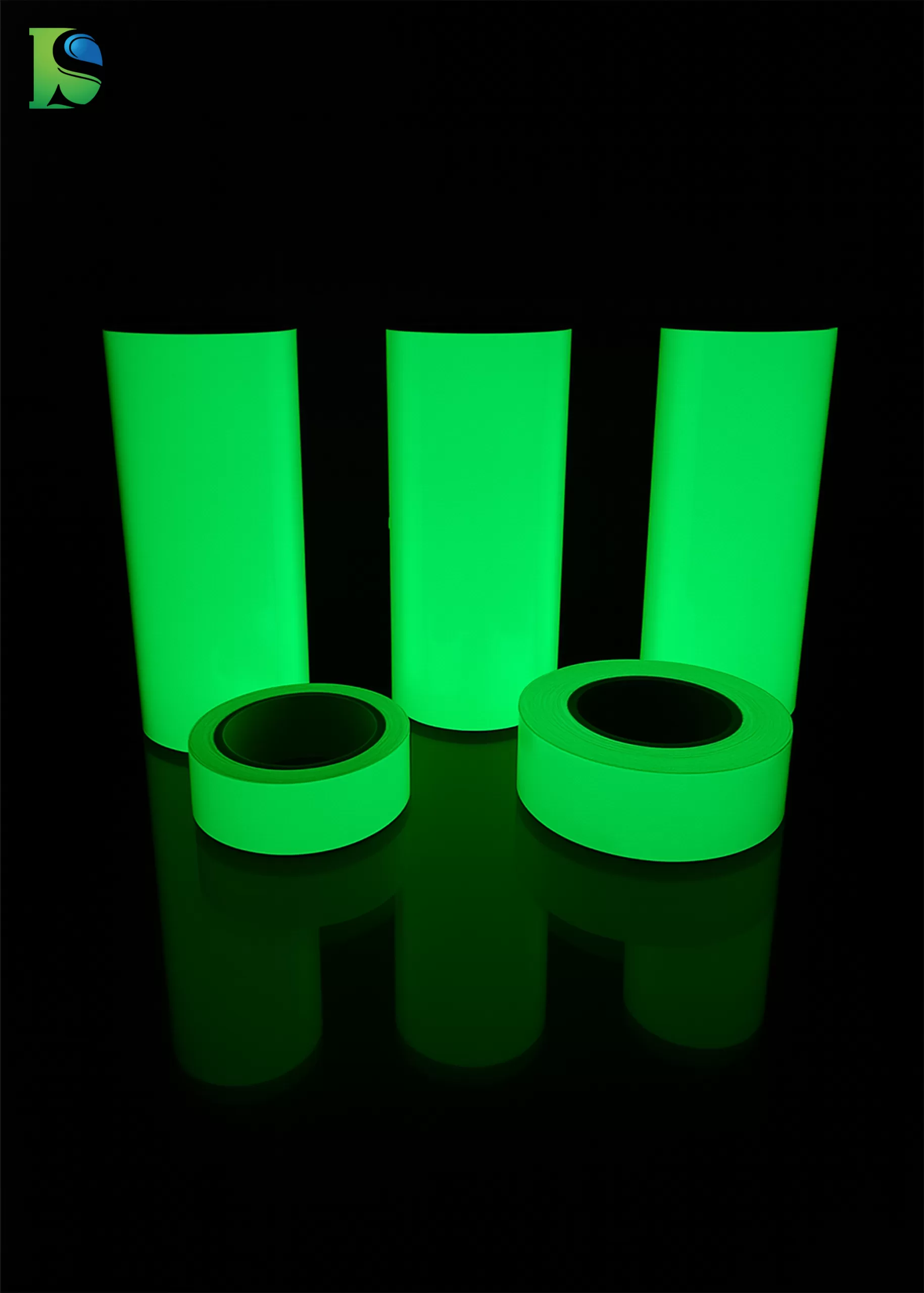
Photoluminescent Film Yellow-Green (2h) for Safety Signage
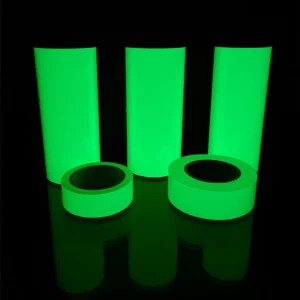
Photoluminescent Film Yellow-Green (2h) is a practical material for safety signage, emergency wayfinding, evacuation identification and visibility-focused applications. Photoluminescent materials absorb available light and can continue to emit a visible glow after the surrounding lighting becomes reduced or unavailable.
The yellow-green appearance associated with photoluminescent materials is widely recognizable in safety and emergency applications. For commercial buildings, offices, warehouses, hotels, schools and public facilities in Saudi Arabia, photoluminescent film can be incorporated into signs and visual guidance systems where clear identification is important.
What Is Photoluminescent Film?
Photoluminescent film is a light-reactive material designed to absorb light energy and release it gradually as visible light. Unlike electrically powered illuminated signs, a photoluminescent film does not require a continuous electrical connection to produce its afterglow.
The material can be used as part of emergency signs, directional graphics, floor markings, stair identification, escape-route indicators and other visibility applications.
The “2h” designation in a product name commonly indicates an intended afterglow duration or performance classification, but the exact meaning and performance should always be confirmed against the manufacturer’s technical documentation.
Why Yellow-Green Is Used for Safety Applications
Yellow-green is highly recognizable in many safety-related visual systems. Its bright appearance can help create contrast against darker surroundings and make important markings easier to identify.
When used correctly, photoluminescent film can help provide visual continuity in areas where normal lighting has been reduced.
Potential applications include:
- Emergency exit signage
- Escape-route identification
- Stairway markings
- Directional arrows
- Door identification
- Safety symbols
- Floor-level guidance
- Fire safety information
- Evacuation routes
- Equipment identification
The film itself should be considered part of a broader safety signage system rather than a replacement for required emergency lighting or other life-safety equipment.
Photoluminescent Film for Emergency Wayfinding
Emergency wayfinding is particularly important in large commercial buildings where visitors may not be familiar with the layout.
Hospitals, hotels, shopping centres, offices, schools and public buildings can have long corridors, multiple staircases and several possible evacuation routes. Clear visual markers can help occupants understand where they need to move during an emergency.
Photoluminescent film can be incorporated into directional arrows, route markings and other visual indicators. When used alongside properly designed emergency lighting and compliant exit signage, these materials can contribute to a more recognizable evacuation system.
Applications in Commercial Buildings
Modern commercial buildings often contain multiple zones, including offices, corridors, stairwells, parking areas, service rooms and public spaces. Safety signage needs to remain identifiable across these different environments.
Photoluminescent film can be considered for:
Office buildings: Directional and emergency markings can support evacuation routes.
Hotels: Corridors, staircases and exit paths can benefit from clear visual identification.
Shopping centres: Large floor plans make recognizable emergency wayfinding particularly important.
Warehouses: Photoluminescent markings can support identification of routes and safety points.
Schools and universities: Clearly visible emergency guidance can help staff and visitors navigate the building.
Industrial facilities: Safety identification can be incorporated into wider workplace signage systems.
Photoluminescent Film and Fire Safety Signage
Fire safety signage commonly includes emergency exits, fire equipment, evacuation routes and other critical information. Photoluminescent materials can be incorporated into some of these signs to improve visibility when ambient lighting is reduced.
However, the complete sign should meet the applicable project requirements. Font size, symbols, placement, viewing distance, colour contrast and mounting height can all affect how effectively a safety sign communicates.
For commercial projects, building owners and contractors should verify applicable Saudi regulations and project-specific requirements before selecting and installing safety signage.
Saudi Arabia Applications
Photoluminescent safety materials can be relevant to a wide range of properties across Saudi Arabia.
In Riyadh, commercial offices, shopping centres, hotels, warehouses and mixed-use developments can require extensive wayfinding and safety signage.
Jeddah properties may include hotels, residential towers, retail centres, logistics facilities and commercial buildings where emergency route identification is important.
Industrial and commercial projects in Dammam, Khobar and the wider Eastern Province may also use specialized safety signage throughout warehouses, workshops and operational facilities.
The material may also be relevant to projects around major commercial areas such as Al Olaya, King Fahd Road, Diplomatic Quarter and other high-density business districts.
Photoluminescent Film for Staircases and Corridors
Stairways are important components of emergency evacuation routes. During an emergency, visibility may be affected by smoke, reduced lighting or unfamiliar surroundings.
Photoluminescent markings can be incorporated into suitable staircase signs, directional arrows and route indicators. The exact design should account for the building layout and applicable safety requirements.
Corridors can also benefit from consistent wayfinding. Using standardized symbols, arrows and exit identification can make the visual system easier to understand.
Combining Photoluminescent Film With Other Materials
Safety signage often combines several materials depending on the application. Photoluminescent film can be applied or incorporated into suitable substrates for specific signs and graphics.
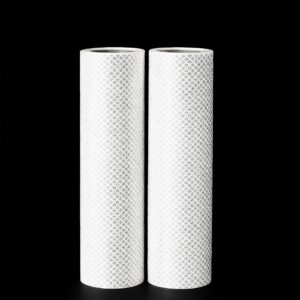
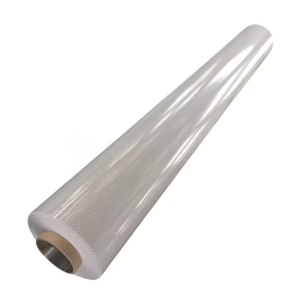
For example, reflective materials can be useful where visibility from vehicle headlights or external illumination is important. One related signage material is Honeycomb PVC White Reflective, which can be considered for applications requiring a reflective white surface.
The two material types serve different visual functions. Photoluminescent materials rely on absorbed light and afterglow, while reflective materials return available light toward its source. Selection should therefore be based on the actual visibility requirements of the project.
Photoluminescent vs Reflective Materials
Photoluminescent and reflective materials are sometimes confused because both can improve visibility, but they operate differently.
A photoluminescent material stores light energy and produces an afterglow when surrounding illumination is reduced.
A reflective material does not normally create its own afterglow. Instead, it reflects light from an external source, such as vehicle headlights or a flashlight.
Some safety projects may use both approaches in different locations. The appropriate solution depends on lighting conditions, viewing distance, application and applicable regulations.
Installation and Surface Preparation
Proper installation can affect the appearance and performance of photoluminescent film. The application surface should be clean, dry and suitable for the adhesive or installation method being used.
Dust, grease, moisture and surface contamination can reduce adhesion and may cause lifting or bubbles.
Before installation, fabricators should check the substrate condition and confirm that the film is compatible with the surface. Edges should be applied carefully to reduce the risk of peeling or mechanical damage.
The manufacturer’s application instructions should be followed for temperature, storage and installation conditions.
Maintenance and Long-Term Visibility
Safety signage should remain clean and unobstructed so that users can identify it quickly. Dust and surface contamination can reduce visual clarity.
Routine inspections can check whether signs remain securely attached and whether markings are damaged, covered or faded.
Building managers should also make sure that photoluminescent signs receive sufficient light exposure as required by the product specification. Performance depends on the characteristics of the material and the conditions under which it is installed.
Choosing Photoluminescent Film for a Project
Before selecting Photoluminescent Film Yellow-Green (2h), consider the intended application, required visibility, substrate, installation location and relevant safety requirements.
Important considerations include:
- Afterglow performance
- Film dimensions
- Surface compatibility
- Adhesive requirements
- Indoor or outdoor application
- Lighting conditions
- Viewing distance
- Required symbols and graphics
- Local safety requirements
- Manufacturer documentation
For large commercial projects, it is useful to coordinate signage design with the building’s emergency lighting, fire safety and wayfinding systems.
Final Thoughts
Photoluminescent Film Yellow-Green (2h) can be a useful material for emergency wayfinding, safety signage, exit identification, staircase markings and visibility-focused applications. Its light-storing properties distinguish it from conventional printed films and reflective materials.
For Saudi commercial, industrial and public buildings, the material can form part of a broader safety communication system covering evacuation routes, emergency exits and directional information. Proper product selection, installation, illumination exposure, maintenance and compliance with applicable requirements are essential for achieving reliable results.