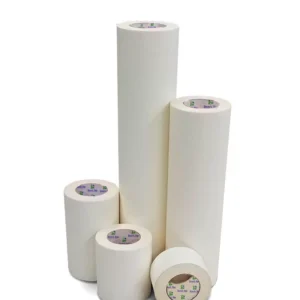
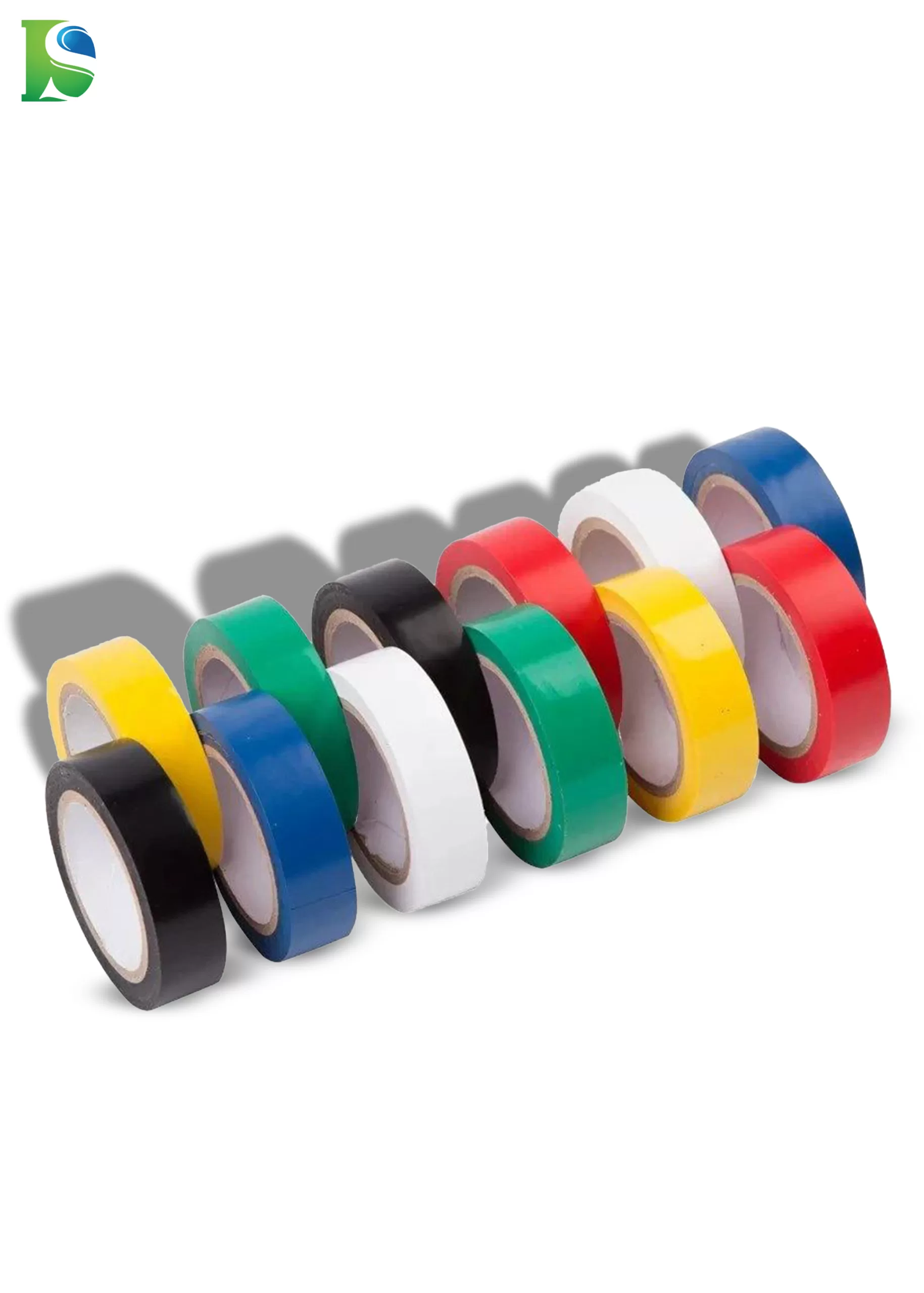
Description
PVC Application Tape for Vinyl Graphics and Signage in Saudi Arabia
PVC application tape is an important tool in the sign-making, digital printing, vehicle graphics, retail branding, and advertising industries. It is used to transfer cut vinyl lettering, logos, graphics, decals, and other adhesive-backed designs from their original liner onto the final application surface.
For professional sign makers in Saudi Arabia, application tape helps maintain the position, spacing, and alignment of individual vinyl elements during installation. It can be especially useful when working with detailed lettering, multi-part graphics, shopfront branding, promotional displays, and large-format signage.
What Is PVC Application Tape?
PVC application tape is a transfer material designed to temporarily hold adhesive vinyl graphics while they are being moved from a release liner to another surface. The tape provides enough adhesion to lift and carry the vinyl while allowing the graphic to be released during installation.
The term PVC application tape can refer to application tapes used with PVC vinyl films and related sign-making materials. Depending on the product, the carrier can have different levels of flexibility, transparency, tack, and dimensional stability.
Application tape is commonly used with self-adhesive vinyl, cut vinyl lettering, logos, symbols, decals, and digitally printed graphics.
Unlike permanent double-sided adhesive tape, application tape is not intended to become a permanent bonding layer. Its purpose is controlled transfer and accurate positioning.
How Does Application Tape Work?
A vinyl graphic normally consists of an adhesive-backed film attached to a release liner. When a design contains separate letters or intricate shapes, removing the liner and positioning every element individually can be difficult.
Application tape creates a temporary carrier across the face of the graphic. After the vinyl has been weeded, the application tape is placed over the design and pressed onto the vinyl.
The tape can then lift the graphic while keeping the individual pieces in their original arrangement. The installer positions the complete design on the target surface and applies suitable pressure. Once the vinyl has adhered to the substrate, the application tape can be peeled away.
This process improves alignment and can make complex vinyl installations considerably easier.
PVC Application Tape for Sign Making
Sign-making companies use application tape for many types of lettering and graphics. It can help transfer business names, directional signs, logos, promotional messages, safety graphics, window graphics, and decorative elements.
For small signs, application tape can prevent individual letters from shifting during installation. For larger graphics, it can help maintain the intended layout across a wider surface.
Professional sign makers may work with substrates such as acrylic sheets, aluminium composite panels, glass, PVC foam board, painted surfaces, and other smooth materials. The correct application method should always take the characteristics of both the vinyl and substrate into account.
Application Tape for Vinyl Lettering
Cut vinyl lettering is one of the most common applications for transfer tape. Individual letters can be difficult to position consistently without a carrier.
Application tape holds the letters together while the complete message is transferred to the final surface. This is particularly useful for company names, shop signs, office identification, vehicle lettering, wall graphics, and promotional displays.
Before transferring the lettering, the installer normally weeds the unwanted vinyl and uses the application tape to lift the finished design.
The amount of pressure used during application can affect how effectively the vinyl transfers. Installers should also ensure that the final surface is clean, dry, and suitable for the vinyl adhesive.
Application Tape for Printed Vinyl Graphics
Large-format digital printing has expanded the use of vinyl graphics across retail, exhibitions, commercial properties, vehicles, and promotional campaigns.
Application tape can be useful when a printed or cut graphic needs controlled transfer to a surface. However, not every printed vinyl product requires application tape. The correct method depends on whether the material is a cut vinyl, printed adhesive film, laminated graphic, or another construction.
For complex graphics containing multiple pieces, an appropriate transfer material can help preserve the design layout during installation.
Choosing the Right Tack Level
One of the most important characteristics of application tape is tack. Tack describes how readily the tape grabs the vinyl.
A tape with insufficient tack may fail to lift small lettering or detailed pieces. Excessive tack can make the application tape difficult to remove after the vinyl has been transferred.
The correct balance depends on the vinyl film, its surface finish, the size of the graphic, the complexity of the design, and the installation technique.
For professional production, testing the application tape with the specific vinyl film before a large project can help prevent transfer problems.
Application Tape for Retail and Shopfront Branding
Retail businesses frequently use vinyl graphics for storefront names, promotional messages, opening hours, window graphics, seasonal campaigns, and temporary branding.
Application tape can help installers transfer lettering and graphics accurately onto glass, acrylic, painted panels, and other suitable surfaces.
Saudi retail environments in Riyadh, Jeddah, Dammam, and Khobar often require clean and consistent branding across multiple branches. Accurate transfer becomes particularly important when the same logo or visual identity must be installed repeatedly.
Application Tape for Exhibition Graphics
Exhibition contractors often work under tight installation schedules. Booth graphics, directional lettering, promotional messages, wall decals, and branded elements may need to be installed quickly before an event opens.
Application tape can help maintain the correct positioning of vinyl elements during installation.
This is relevant for exhibitions and events held at venues such as Riyadh Front Exhibition & Conference Center and the Riyadh International Convention & Exhibition Center, where professional presentation is an important part of temporary brand environments.
Surface Preparation Before Vinyl Application
Application tape cannot compensate for a poorly prepared installation surface. Before applying vinyl, the surface should be clean, dry, and free from dust, grease, oil, loose particles, and other contaminants.
Glass, metal, acrylic, painted panels, and other substrates can require different preparation methods. Newly painted surfaces should also be sufficiently cured according to the paint manufacturer’s recommendations.
The environmental conditions should be considered as well. Excessive dust, moisture, or unsuitable temperatures can affect vinyl adhesion and installation quality.
For outdoor applications in Saudi Arabia, installers should also consider heat, sunlight, humidity, and the expected exposure of the finished graphic.
PVC Application Tape in the Saudi Signage Market
Saudi Arabia has a large commercial signage and advertising sector serving retail stores, restaurants, offices, property developments, exhibitions, vehicle graphics, and corporate branding.
In Riyadh, areas such as Al Olaya, King Fahd Road, Al Malaz, Al Nakheel, and the Diplomatic Quarter contain diverse commercial environments where signage and branded graphics are widely used. Jeddah, Dammam, and Khobar also have ongoing requirements for professional vinyl graphics and advertising materials.
For sign makers, printers, and installation companies, having suitable application tape available can make vinyl production and installation more efficient.
KJET PAPER Application Tape
For sign-making and vinyl-transfer applications, KJET PAPER Application Tape can be considered as part of a professional vinyl application workflow.
When selecting application tape, buyers should consider the type of vinyl being transferred, graphic size, lettering detail, tack requirements, surface type, and installation method.
Using the correct transfer material can help maintain the original arrangement of a design while reducing unnecessary handling of individual vinyl pieces.
Common Application Tape Problems
One common problem is vinyl remaining on the release liner instead of transferring to the application tape. This can occur because of insufficient pressure, unsuitable tack, or compatibility issues between the tape and vinyl.
Another issue is the application tape being difficult to remove after installation. Excessive tack or incorrect removal technique can contribute to lifting or disturbing the vinyl.
Wrinkles and air bubbles can also appear if a large graphic is positioned incorrectly or applied without adequate installation technique.
Testing materials before a major installation is therefore a practical step for professional sign-making businesses.
Final Thoughts
PVC application tape plays a supporting but important role in professional vinyl graphics and signage production. It allows individual cut letters, logos, decals, and graphic elements to be transferred as a complete design while helping maintain alignment and spacing.
For Saudi sign makers, digital printers, retail branding companies, exhibition contractors, and advertising businesses, the right application tape should be selected according to the vinyl material, graphic complexity, substrate, tack requirement, and installation environment.
Proper surface preparation and application technique are equally important. When the transfer material and vinyl are compatible, application tape can make detailed signage installation more controlled, efficient, and consistent.