Description
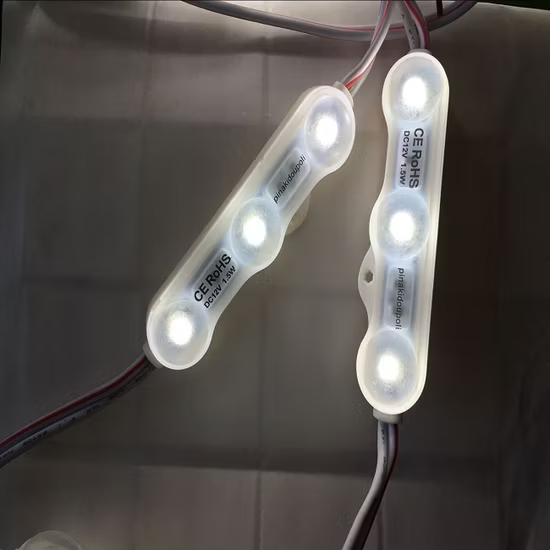
Samsung LED 2835 Module Day White (6500K) 175° Lens for LED Signage in Saudi Arabia
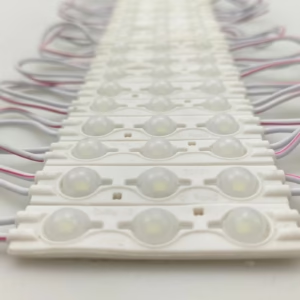
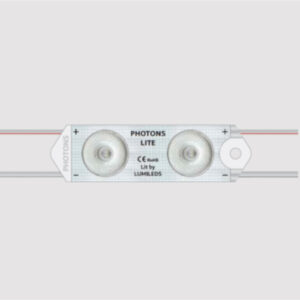
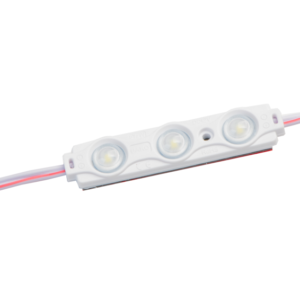
The Samsung LED 2835 Module Day White (6500K) 175° Lens is a practical lighting component for illuminated signage, channel letters, light boxes, backlit displays, retail branding, and commercial sign fabrication. Its 6500K daylight white colour temperature produces a crisp white appearance, while the 175° lens is designed for very broad light distribution across an illuminated surface.
For sign makers, advertising companies, exhibition contractors, retailers, and commercial display manufacturers in Saudi Arabia, choosing the correct LED module involves more than selecting a colour. Module placement, lens distribution, sign depth, face material, power supply, wiring, and installation environment all influence the final result.
Understanding the Samsung LED 2835 Module
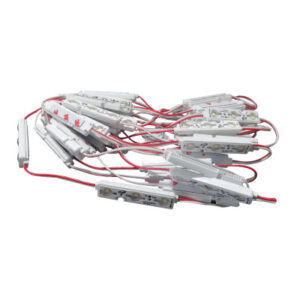
LED modules are compact lighting units designed to be installed inside signs, letters, light boxes, and other fabricated structures. Multiple modules can be positioned behind an acrylic, polycarbonate, vinyl, or other suitable translucent face to create an illuminated surface.
The 2835 designation refers to the LED package format. Samsung LED 2835 modules are relevant to professional signage applications where controlled and consistent illumination is required.
The Day White version uses a 6500K colour temperature, creating a cool daylight-white appearance. The 175° lens is particularly important because it allows light to spread across a broad angle. This can be useful when designing illuminated surfaces where wider optical coverage is required.
The actual installation arrangement should always be determined according to the sign construction and the manufacturer’s technical specifications.
What Does 6500K Day White Mean?
Colour temperature describes the visual appearance of white light. At 6500K, the LED produces a daylight-white appearance that is noticeably cooler than warm white lighting.
This type of white is commonly considered for commercial signage where the objective is a clean, crisp, high-visibility appearance. It can complement corporate logos, retail storefronts, office signage, electronics brands, automotive businesses, commercial buildings, and modern architectural displays.
The appearance of 6500K illumination can also change depending on the material placed in front of the LEDs. Acrylic colour, translucent vinyl, printed graphics, and the construction of the sign face can all influence the final visual result.
For large projects in Riyadh, Jeddah, Dammam, or Khobar, fabricators can test the LED module with the selected face material before producing the complete signage system.
Why the 175° Lens Matters
The 175° lens provides a very wide light distribution angle. In illuminated signage, optical distribution affects how effectively light reaches the face of a channel letter, cabinet, or backlit display.
A broad lens can be useful when the objective is to distribute light across a wider area rather than concentrating illumination into a narrower beam. However, lens angle does not eliminate the need for correct module positioning.
Sign depth, letter dimensions, reflective surfaces, module spacing, and face material should all be considered during fabrication. Correct planning can help reduce uneven illumination, visible hotspots, and darker sections.
For this reason, professional sign makers should treat the 175° optical design as one part of the complete lighting system rather than assuming that the lens angle alone determines the finished appearance.
Channel Letters and Dimensional Signage
Channel letters are among the most common applications for LED modules. These three-dimensional letters are used for shopfronts, restaurants, hotels, corporate offices, shopping centres, clinics, showrooms, and commercial buildings.
The 6500K daylight-white appearance can work particularly well for channel letters requiring a clean white illuminated face. The broad 175° lens can also be useful when light distribution across the letter face is an important part of the design.
The fabricator should consider the depth and shape of every letter when planning module placement. Narrow letters, wide letters, logos, and irregular shapes may require different positioning strategies.
A professional installation should also include suitable wiring, a compatible power supply, secure module mounting, and appropriate protection for the operating environment.
Light Boxes and Backlit Displays
LED modules can also be used inside light boxes and backlit advertising displays. These structures typically combine an internal lighting system with a translucent front panel or printed graphic.
The 175° lens is relevant to applications where broad illumination across the display surface is desirable. A carefully planned arrangement can help distribute light behind the face and support a consistent appearance.
Light boxes are commonly used in retail stores, shopping centres, restaurants, corporate environments, airports, exhibitions, and promotional displays.
The final result depends on the relationship between module spacing, box depth, face material, and graphic construction. Fabricators should therefore test the lighting arrangement before committing to large production quantities.
Retail, Corporate and Commercial Applications
Modern businesses use illuminated signage to make storefronts, reception areas, showrooms, and branded environments more visible. Daylight-white LED modules can support a contemporary visual identity for many commercial applications.
In areas such as Al Olaya, King Fahd Road, Al Malaz, and Al Nakheel in Riyadh, commercial signage is often incorporated into busy retail and business environments. Similar applications can be found throughout Jeddah, Dammam, and Khobar.
The Samsung LED 2835 Module Day White (6500K) 175° Lens can be considered for illuminated logos, shop signs, directional displays, corporate branding, product displays, and other fabricated signage where a cool white appearance is required.
Exhibition Stands and Display Structures
Saudi Arabia has an active exhibition and events industry, with major venues such as Riyadh Front Exhibition & Conference Center and Riyadh International Convention & Exhibition Center hosting business and trade events.
Exhibition contractors use LED modules in illuminated logos, branded walls, counters, product displays, reception structures, and custom exhibition features. The ability to integrate compact lighting into fabricated structures makes LED modules useful for temporary and permanent displays.
For exhibition projects, installation efficiency and consistent illumination are particularly important. Contractors should plan cable routing, power supply placement, module positioning, and access for assembly and dismantling.
Power Supply and Installation Planning
LED modules should always be connected to a compatible power supply based on the manufacturer’s electrical specifications and the total connected load.
When designing a large sign, the installer should calculate the complete electrical requirement rather than selecting a power supply based only on the number of modules. Cable length, voltage drop, circuit arrangement, ventilation, and operating conditions may also need consideration.
Wiring should be properly organized and protected inside the sign structure. Outdoor installations require additional attention to moisture, dust, heat, mechanical protection, and maintenance access.
Before installation, always confirm the current technical specifications for the Samsung LED 2835 Module Day White (6500K) 175° Lens.
Choosing Between Different LED Module Options
Not every illuminated sign requires the same LED module. Colour temperature, optical distribution, sign depth, face material, electrical requirements, and environmental conditions should all be evaluated.
A 6500K daylight-white module is appropriate for projects where a crisp, cool white appearance is part of the design. A warmer colour temperature may be more suitable for hospitality, decorative, or atmosphere-focused applications.
For example, a project using warm white illumination can be evaluated alongside LED 2835 Module Warm White (3000K) 12V to compare the visual effect of different colour temperatures. The choice should be based on the desired appearance and the technical requirements of the completed sign.
Outdoor Signage in Saudi Arabia
Saudi Arabia’s climate makes environmental planning important for outdoor illuminated signage. Riyadh experiences high heat and dusty conditions, while coastal cities such as Jeddah and Dammam can present additional environmental considerations.
The complete signage system should therefore be designed with appropriate materials, electrical components, sealing, cable management, mounting, and maintenance access.
Dust can accumulate on sign faces and internal components, potentially affecting the appearance of illuminated displays. Periodic inspection and cleaning can help maintain a professional appearance.
For commercial façades, technicians should also check electrical connections and accessible components during scheduled maintenance.
Maintenance of LED Module Signs
Routine maintenance is an important part of operating illuminated signage. Sign owners and maintenance teams should inspect signs for failed modules, damaged wiring, loose connections, moisture ingress, physical damage, and power supply problems.
If a module needs replacement, the replacement component should be checked for electrical and physical compatibility. Mixing different LED modules without verifying their specifications can result in inconsistent illumination or electrical problems.
For large commercial signs, maintenance access should ideally be considered during the original fabrication stage.
Buy Samsung LED 2835 Module Day White (6500K) 175° Lens in Saudi Arabia
The Samsung LED 2835 Module Day White (6500K) 175° Lens is suited to signage projects requiring a crisp daylight-white appearance and broad optical distribution. It can be considered for channel letters, illuminated logos, light boxes, retail displays, exhibition structures, corporate branding, and commercial signage.
For projects in Riyadh, Jeddah, Dammam, Khobar, and other Saudi locations, the best installation approach depends on the complete sign design. Sign depth, face material, module spacing, power supply, wiring, environmental exposure, and maintenance requirements should all be considered.
For sign manufacturers and commercial display contractors, selecting the LED module according to the actual application helps create a more controlled and professional illuminated result. Always verify the latest manufacturer specifications before ordering and installing the product for a commercial project.