Description
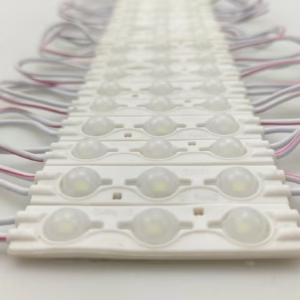
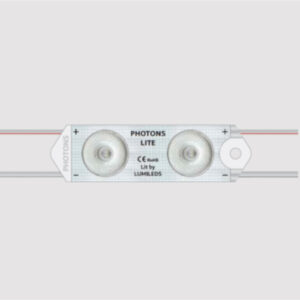
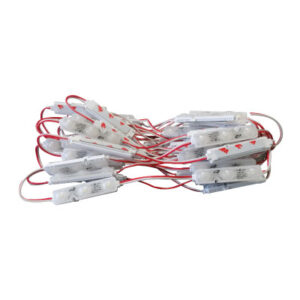
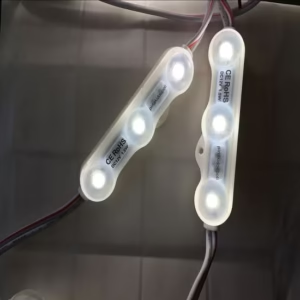
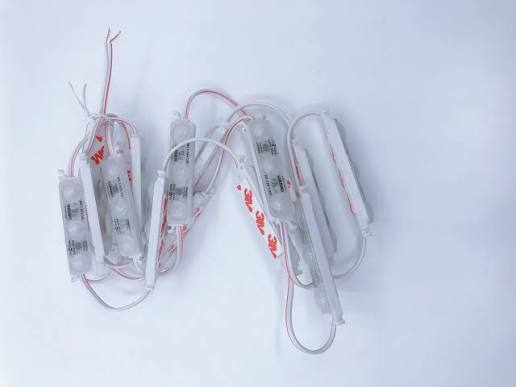
Samsung LED 2835 Module Day White (6500K) 160° for LED Signage
The Samsung LED 2835 Module Day White (6500K) 160° is designed for illuminated signage and display applications where a clean daylight-white appearance and broad light distribution are required. LED modules are widely used inside channel letters, illuminated logos, light boxes, retail signs, exhibition displays, architectural branding, and custom fabricated signage.
The 6500K colour temperature produces a cool daylight-white appearance that can give illuminated graphics a crisp and highly visible character. The 160° lens provides broad light distribution, making the module relevant to applications where light needs to spread across a sign face rather than remain concentrated in a narrow beam.
For professional sign makers in Saudi Arabia, selecting an LED module involves more than looking at colour temperature alone. Sign depth, face material, module spacing, power supply, wiring, ventilation, installation environment, and maintenance access all influence the finished result. This guide explains the characteristics, applications, installation considerations, and buying factors associated with a 6500K 160° LED module.
What Is a Samsung LED 2835 Module?
An LED module is a compact lighting component designed to be installed inside illuminated signs and fabricated display structures. Multiple modules can be positioned across the interior of a sign to illuminate a translucent face, logo, letter, panel, or graphic.
The term 2835 refers to the LED package format. LED 2835 technology is widely used across various LED lighting applications because of its compact format and suitability for systems requiring multiple small light sources.
In signage, modules are normally arranged according to the shape and dimensions of the illuminated structure. A channel letter may require a different layout from a large rectangular light box, while a detailed logo may need individually planned module positions.
The Samsung LED 2835 Module Day White (6500K) 160° combines this LED format with a 6500K daylight-white colour temperature and a 160° lens.
Understanding 6500K Day White
Colour temperature is measured in Kelvin and describes the visual character of white light.
A 6500K LED produces a cool daylight-white appearance. Compared with warm white lighting such as 3000K, 6500K looks considerably cooler and cleaner. It is commonly considered suitable for applications where a bright, crisp white appearance is preferred.
In illuminated signage, the colour temperature can influence how the brand, graphics, acrylic, polycarbonate, vinyl, or printed face appears after dark.
A 6500K module can be particularly relevant to:
- Corporate signage
- Retail storefronts
- Channel letters
- Illuminated logos
- Light boxes
- Exhibition displays
- Technology-related branding
- Commercial buildings
- Outdoor advertising signage
However, the final appearance should always be evaluated with the actual sign face. A translucent material can change the perceived colour and brightness of the light passing through it.
What Does a 160° Lens Mean?
The 160° lens relates to the module’s light distribution. A broad optical angle allows light to spread across a relatively wide area.
This is important in signage because the objective is generally to illuminate the complete face rather than produce a concentrated spot.
A wide distribution can help reduce the risk of obvious bright points when the module arrangement and sign construction are correctly planned. However, the lens angle does not by itself guarantee uniform illumination.
The final result also depends on the distance between the LED modules and sign face, the internal dimensions of the sign, the translucency of the face material, reflective properties inside the enclosure, and the positioning of individual modules.
For this reason, professional fabricators should follow the manufacturer’s installation recommendations and test module spacing for custom designs.
Why 6500K Is Popular for Illuminated Signage
Day White 6500K has a clean and highly recognizable visual appearance. This can make it useful for businesses that want their illuminated signage to look sharp and contemporary.
A retail storefront with white illuminated channel letters, for example, can appear particularly crisp against a dark façade. Corporate logos can also benefit from a cool white illumination where the brand identity calls for a modern appearance.
The colour is also relevant when illuminated signage needs to work alongside other commercial lighting. Shopping centres, offices, showrooms, and exhibition environments may already use neutral or cool lighting, making 6500K a practical consideration.
Nevertheless, colour temperature should be selected according to the project’s visual objective. A restaurant or hotel seeking a warm, relaxed atmosphere may prefer a lower colour temperature.
Samsung LED 2835 Module for Channel Letters
Channel letters are among the most common applications for LED modules.
These three-dimensional letters are fabricated from materials such as aluminium, acrylic, polycarbonate, or other sign-making components. LED modules are positioned inside the letter, generally behind a translucent face.
The 6500K daylight-white appearance can provide clean illumination for company names, retail brands, restaurants, showrooms, offices, hotels, and commercial properties.
The 160° optical distribution can also be useful when designing the internal module layout because the light needs to spread across the face of each letter.
However, every letter has a different geometry. A narrow letter such as an “I” or “L” can require a different arrangement from a wide “M” or “W”. Curved letters, counters, corners, and small logo elements can also create different illumination challenges.
Illuminated Logos and Corporate Signs
Corporate logos often contain detailed shapes that make internal lighting more complex than standard lettering.
An illuminated logo may include thin lines, curves, large solid areas, cut-outs, and multiple sections. LED modules must therefore be positioned according to the geometry of the logo.
A 6500K white module can provide a crisp appearance for corporate branding, especially when the logo uses white or translucent materials.
Businesses in Riyadh, Jeddah, Dammam, and Khobar use illuminated branding across office buildings, retail locations, commercial developments, hospitality properties, and showrooms.
For large corporate signage, creating a sample or test section before manufacturing the complete logo can help confirm whether the selected module spacing and face material produce the intended appearance.
LED Light Boxes and Backlit Displays
Light boxes require consistent illumination across a graphic or translucent panel.
LED modules can be positioned across the internal surface of the light box to create a backlit display. The 160° lens is relevant to this type of application because the light needs to spread over the available area.
Light box applications can include:
- Retail advertising
- Shopping centre graphics
- Corporate branding
- Airport displays
- Restaurant signs
- Exhibition graphics
- Real estate advertising
- Hospitality signage
- Outdoor promotional displays
The correct installation depends on the depth of the light box and the face material. A shallow light box can require more careful module placement than a deeper structure.
Fabricators should therefore avoid using the same spacing arrangement for every light box design without checking the manufacturer’s recommendations.
Retail Storefront and Commercial Signage
Retail signage needs to remain recognizable during both daytime and nighttime conditions.
Illuminated channel letters, logos, and light boxes can help maintain brand visibility after sunset. A 6500K daylight-white LED can provide a bright, crisp visual effect suitable for many modern commercial environments.
In Saudi Arabia, illuminated signage is common across shopping centres, standalone stores, restaurants, automotive showrooms, pharmacies, commercial offices, and hospitality businesses.
In Riyadh, commercial areas such as Al Olaya and King Fahd Road contain a wide range of retail and corporate properties where illuminated branding can be used.
In Jeddah, retail, hospitality, and commercial developments create demand for exterior signs and illuminated displays.
Dammam and Khobar also have shopping areas, business properties, restaurants, and showrooms where channel letters and light boxes can form part of the storefront identity.
Exhibition Stands and Event Displays
LED modules are useful for exhibition contractors creating illuminated branding and display structures.
Exhibition stands may include backlit walls, illuminated logos, product displays, counters, light boxes, feature panels, and custom architectural elements.
Saudi exhibition venues such as Riyadh Front Exhibition & Conference Center and the Riyadh International Convention & Exhibition Center host trade shows, conferences, technology events, commercial exhibitions, and industry gatherings.
In these environments, lighting can help a brand stand out among many competing displays. A 6500K daylight-white appearance can complement modern materials such as aluminium, acrylic, glass, fabric graphics, and digital displays.
For temporary exhibition structures, electrical access and installation efficiency are particularly important. Power supplies should be positioned where technicians can safely access them during setup, operation, and dismantling.
LED Modules for Architectural Branding
Commercial buildings increasingly combine architectural elements with branding.
Illuminated building names, corporate logos, entrance signs, reception features, and façade elements can incorporate LED modules to create a visible identity after dark.
A 6500K white appearance can complement contemporary architectural materials such as glass, aluminium, stainless steel, stone, and composite panels.
However, architectural applications often require more careful planning than simple sign boxes. The designer may need to consider viewing distance, façade colour, surrounding lighting, mounting conditions, wind exposure, maintenance access, and the visual relationship between the illuminated sign and the building.
Module Spacing and Illumination Uniformity
One of the most important factors in LED signage is module spacing.
If modules are positioned too close together, the sign can develop excessively bright areas. If they are positioned too far apart, dark patches can appear.
The objective is to create a balanced illumination pattern across the entire face.
The 160° lens provides broad light distribution, but the final result still depends on the physical design of the sign. A wide-angle lens cannot compensate for every design mistake.
Sign makers should consider:
- Sign depth
- Face material
- Translucency
- Module spacing
- Internal reflectivity
- Letter geometry
- Viewing distance
- Power distribution
Testing a section of a custom sign before full production can be a practical way to identify illumination problems early.
Choosing the Correct Face Material
The LED module and sign face work together.
Common illuminated sign faces include translucent acrylic, polycarbonate, flexible materials, printed graphics, and translucent vinyl applications.
The face material influences how much light reaches the viewer and how the 6500K colour appears.
A white translucent face may maintain a relatively clean white appearance, while coloured or printed materials can alter the visible colour.
This is why sign manufacturers should test the actual combination of LED module and face material rather than relying only on a product photograph.
Power Supply and Electrical Planning
LED modules need a compatible electrical system designed around the requirements of the selected module.
For a complete sign, the total LED load should be calculated before choosing the power supply. The wiring arrangement, cable length, voltage drop, connection points, and power supply location should also be considered.
Large signs may require multiple power supply units depending on the system design.
Power supplies should be installed in accessible locations with appropriate ventilation and protection. Outdoor installations require additional attention to environmental exposure and electrical connections.
The exact electrical requirements should always be confirmed from the current product documentation before installation.
LED Signage in Saudi Arabia’s Climate
Saudi Arabia’s climate creates additional considerations for outdoor illuminated signage.
Riyadh, Jeddah, Dammam, Khobar, and other cities can experience high temperatures, strong sunlight, dust, and seasonal weather conditions.
Outdoor signage therefore needs to be designed as a complete system. The LED modules, power supply, wiring, connectors, enclosure, mounting structure, and protective elements all need to be appropriate for the installation environment.
Heat management is also important. Sign enclosures should be designed to avoid unnecessary heat accumulation, particularly where large numbers of LEDs and electrical components are installed in enclosed spaces.
For outdoor projects, the installer should verify the manufacturer’s environmental and installation specifications rather than assuming that every LED module is suitable for unrestricted exterior exposure.
Comparing 6500K With Other White LED Modules
Different colour temperatures serve different design objectives.
Warm white around 3000K creates a softer, warmer appearance and is often associated with hospitality, decorative, and architectural applications.
Day White 6500K creates a cooler daylight appearance and can suit corporate, retail, commercial, and general illuminated signage.
Very cool white such as 10000K creates a more distinctive icy or extremely cool visual character.
For example, the Samsung Led 2835 Module Cool White provides a 10000K colour temperature, making it a useful comparison when a project requires a cooler appearance than 6500K.
The right choice depends on the brand, sign face, viewing conditions, surrounding lighting, and desired visual effect.
Common Applications for Samsung LED 2835 Day White
The 6500K 160° module can be considered for a range of illuminated signage projects.
Typical applications include channel letters, corporate logos, retail signs, light boxes, backlit panels, exhibition displays, restaurant signage, hotel branding, showroom signs, commercial building names, and custom fabricated illuminated displays.
The module may also be incorporated into signage systems where consistent daylight-white illumination is required across multiple letters or panels.
For complex signs, the module layout should be customized according to the physical design rather than using a standard grid without testing.
Maintenance of Illuminated LED Signs
Regular maintenance can help preserve both the appearance and performance of illuminated signage.
Sign owners should periodically inspect the sign face, LED modules, power supply, cables, connectors, mounting points, and internal components.
If part of a sign becomes darker than the rest, the cause should be investigated. Possible causes can include a failed module, wiring issue, connector problem, power supply fault, or another electrical issue.
External sign faces should also be kept clean because accumulated dust can reduce visual clarity and make illumination appear less consistent.
Any maintenance involving electrical components or signs installed at height should be carried out by appropriately qualified personnel.
Avoiding Common LED Module Installation Problems
Several installation mistakes can affect illuminated signage.
Using inconsistent module spacing can create uneven brightness. Installing modules without considering the sign depth can produce hotspots or dark areas. Choosing an unsuitable power supply can cause electrical problems.
Poor cable routing can also complicate future maintenance.
Another common issue occurs when different LED colours or batches are mixed without testing. Even apparently similar white LED products can produce different visual results.
For professional projects, using a consistent product specification and following manufacturer installation guidance can make the finished sign more predictable.
Why the 6500K 160° Combination Matters
The value of the Samsung LED 2835 Module Day White (6500K) 160° comes from the combination of its colour temperature and optical distribution.
The 6500K specification provides a cool daylight-white appearance, while the 160° lens indicates broad light distribution.
These characteristics make the module relevant to sign makers looking for a crisp white appearance without relying on a narrow beam.
However, these specifications should always be considered alongside the physical construction of the sign. The best module cannot compensate for incorrect spacing, unsuitable face material, poor power distribution, or inadequate installation.
Buying LED Modules for Commercial Signage Projects
When purchasing LED modules for a commercial project, buyers should establish the complete technical requirement before ordering.
Confirm the colour temperature, optical angle, electrical specifications, dimensions, environmental suitability, recommended spacing, and installation requirements from the current product documentation.
For large orders, it is useful to verify that sufficient stock is available from the supplier and that the same product specification can be supplied consistently throughout the project.
Sign manufacturers should also consider spare modules for future maintenance, particularly for large commercial installations where replacing a discontinued or unavailable product later can create unnecessary complications.
Samsung LED 2835 Module Day White 6500K 160° for Saudi Sign Makers
The Samsung LED 2835 Module Day White (6500K) 160° can be considered for sign-making projects throughout Saudi Arabia where a crisp daylight-white appearance and broad light distribution are required.
Riyadh’s commercial developments, Jeddah’s retail and hospitality properties, Dammam and Khobar’s business environments, and exhibition projects across the Kingdom can all involve illuminated signage requirements.
For sign makers, the key is to match the LED module to the actual fabrication design. Channel letters, light boxes, logos, and exhibition displays all have different optical requirements.
Before production, confirm the current technical specifications and test the module with the intended face material and sign depth where necessary.
Conclusion
The Samsung LED 2835 Module Day White (6500K) 160° is suited to illuminated signage applications where a cool daylight-white appearance and broad light distribution are desirable.
Its 6500K colour temperature can provide a clean, crisp appearance for channel letters, illuminated logos, retail signage, commercial buildings, exhibition stands, and light boxes. The 160° lens provides broad optical distribution that can support effective illumination when module spacing and sign construction are properly planned.
Successful LED signage depends on the complete system rather than one specification. Sign depth, face material, module layout, power supply, wiring, heat management, installation quality, environmental exposure, and maintenance should all be considered.
For professional sign makers and commercial project teams in Riyadh, Jeddah, Dammam, Khobar, and across Saudi Arabia, careful product selection and testing can help produce illuminated signs with a consistent and professional appearance.