Description
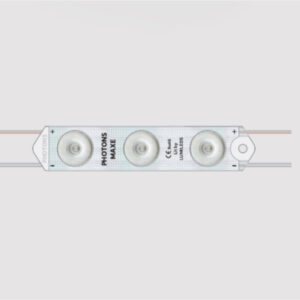
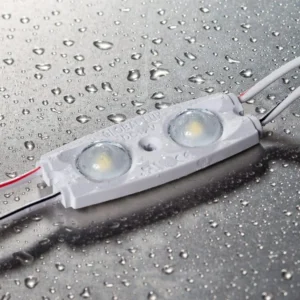
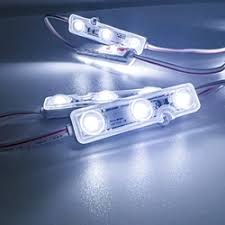
Samsung LED 2835 Module Cool White (10000K) 175° Lens for LED Signage
The Samsung LED 2835 Module Cool White (10000K) 175° Lens is designed for illuminated signage and display applications where a very cool white appearance and broad light distribution are required. LED modules are widely used by sign manufacturers, advertising companies, exhibition contractors, retail fit-out teams, and fabricators for creating illuminated channel letters, light boxes, branded displays, and other custom signage.
The 10000K colour temperature gives this module a distinctly cool, crisp white appearance, while the 175° lens is designed around a very wide light distribution. These characteristics can be useful when planning illuminated surfaces where consistent coverage across the available face is important.
For commercial projects in Saudi Arabia and the wider Gulf region, selecting the right LED module involves more than choosing a colour. Sign depth, face material, module spacing, power supply, heat management, installation conditions, and the required visual appearance all need to be considered. This guide explains where a 10000K 175° LED module can fit into professional signage projects and what fabricators should consider before installation.
What Is a Samsung LED 2835 Module?
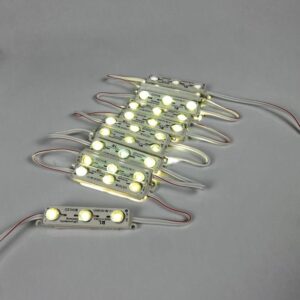
An LED module is a compact lighting unit designed to be installed inside an illuminated sign, display, letter, box, or other fabricated structure. Instead of using a conventional light source, multiple LED modules can be positioned across the interior of a sign to illuminate the front face.
The term 2835 refers to the LED package format used in the module. LED 2835 technology is widely associated with compact LED lighting applications and can be incorporated into modules intended for signage and backlighting.
A module-based lighting system gives sign fabricators greater control over the positioning of light sources. Modules can be distributed across letters, logos, panels, and light boxes according to the geometry and depth of the finished sign.
The Samsung LED 2835 Module Cool White (10000K) 175° Lens combines the 2835 LED format with a 10000K cool white colour temperature and a 175° lens specification.
Understanding the 10000K Cool White Colour Temperature
Colour temperature is an important consideration when selecting LED modules for signage. It is expressed in Kelvin, abbreviated as K.
A 10000K LED produces a very cool white appearance. Compared with warmer colour temperatures such as 3000K, the visual character is much cooler and can appear more crisp, icy, or blue-white depending on the surrounding materials, camera settings, ambient lighting, and viewing conditions.
This makes 10000K particularly relevant when a sign requires a distinctly cool visual appearance rather than a warm or neutral white.
For example, a modern technology showroom, automotive display, contemporary retail environment, entertainment venue, or high-impact advertising sign may use a cooler white appearance as part of its visual identity.
However, colour temperature should always be evaluated together with the sign face material. Acrylic, polycarbonate, translucent vinyl, printed graphics, and other materials can change the final appearance of illuminated light.
What Does a 175° Lens Mean?
The 175° lens specification describes the very broad distribution of light from the LED module.
A broad beam can help distribute illumination over a larger area. In signage applications, this characteristic can be useful because the objective is often not to create a narrow beam but to achieve reasonably consistent illumination across a translucent sign face.
The actual illumination pattern depends on several factors, including the module’s optical design, installation spacing, sign depth, face material, internal reflectivity, and module positioning.
This means the 175° specification should not be treated as a guarantee that every sign will automatically have perfectly uniform illumination. Fabricators should still test module placement and spacing when developing a new sign design.
Why Wide Light Distribution Matters in Signage
Uniform illumination is one of the main challenges when manufacturing internally illuminated signs.
If LED modules are positioned too close together, some areas may appear significantly brighter than others. If they are positioned too far apart, darker areas or shadows can become visible on the sign face.
A wide-angle optical design can help spread light across the available surface. This can be especially useful when illuminating shallow or irregular sign structures, although the appropriate module spacing must always be determined according to the specific product and sign construction.
Professional sign fabrication therefore considers the LED module, letter depth, face material, module layout, and power requirements as one complete system.
Samsung LED 2835 Module for Channel Letters
Channel letters are one of the most common applications for LED modules. These three-dimensional letters are frequently used on retail storefronts, shopping centres, restaurants, hotels, offices, corporate buildings, and commercial properties.
Inside a channel letter, LED modules are positioned behind a translucent face. When the system is switched on, the LEDs illuminate the face and create the required visual effect.
The 175° lens can be useful when the objective is broad internal light distribution. The 10000K cool white appearance can also create a crisp visual character suitable for modern commercial branding.
The final result depends on the letter depth and construction. Fabricators should avoid assuming that one spacing arrangement works for every letter. Narrow letters, wide letters, curves, corners, and small counters may all require different positioning.
Illuminated Logos and Corporate Branding
Three-dimensional logos often require precise internal lighting because their shapes can be more complicated than standard alphabetic characters.
A logo may include thin sections, large areas, curves, sharp corners, or multiple layers of material. LED modules can be positioned to illuminate these areas while maintaining a consistent appearance across the complete logo.
A cool white 10000K appearance can be appropriate for brands seeking a modern, high-contrast visual identity. It may work particularly well with contemporary architectural materials such as aluminium, glass, metal composite panels, and modern acrylic finishes.
Before production, a sample section or mock-up can help confirm how the selected LED module interacts with the logo face.
LED Light Boxes and Backlit Displays
LED modules are also used inside light boxes and backlit display systems.
Light boxes may be installed in shopping centres, retail stores, restaurants, airports, offices, exhibitions, petrol stations, hospitality venues, and outdoor advertising locations.
The objective is generally to create an evenly illuminated graphic or translucent face. A broad optical distribution can help spread light across the interior of the box.
The correct module layout depends on the depth of the light box and the material used for the illuminated face. A deeper box may allow more space for light distribution, while a shallow box may require more careful optical planning.
For large light boxes, fabricators should also consider access for maintenance, cable routing, power supply placement, ventilation, and structural support.
Retail Storefront Signage
Retail signage needs to remain visually clear during both daytime and nighttime conditions. Illuminated channel letters and logos can help businesses maintain brand visibility after sunset.
A cool white LED module can create a sharp appearance that suits technology stores, electronics retailers, automotive businesses, contemporary fashion brands, commercial showrooms, and other modern retail environments.
In locations such as Riyadh, Jeddah, Dammam, and Khobar, illuminated storefront signage is used across shopping districts, commercial centres, standalone stores, and business developments.
The LED colour should be selected alongside the brand’s colour palette and sign face material. The same LED colour can look different when placed behind different acrylic or polycarbonate colours.
Exhibition Stands and Temporary Displays
LED modules can also support temporary exhibition and event displays.
Exhibition contractors often create illuminated logos, product walls, branded counters, backlit graphics, feature panels, and architectural elements that need to attract attention inside busy exhibition halls.
Saudi exhibition venues such as the Riyadh International Convention & Exhibition Center and Riyadh Front Exhibition & Conference Center host events where brands compete for visitor attention through booth design, lighting, graphics, and digital displays.
A cool white lighting system can complement digital screens, metallic finishes, acrylic elements, and modern exhibition architecture. For temporary installations, however, the entire electrical system should be designed with safe cable routing, accessible power supplies, and practical assembly and dismantling requirements.
Hospitality and Commercial Applications
Hotels, restaurants, cafés, entertainment venues, offices, and commercial properties use illuminated signage as part of their architectural and branding systems.
A 10000K cool white LED appearance can create a distinctly modern look, although it may not be appropriate for every hospitality environment. Restaurants and hotels often use warmer colour temperatures where a softer atmosphere is required.
The best selection therefore depends on the purpose of the sign. Exterior corporate branding may benefit from a crisp cool appearance, while interior hospitality signage may call for a warmer visual tone.
This distinction is important because LED module selection should be based on the desired customer experience rather than technical specifications alone.
Choosing the Right Module for Different Sign Depths
Sign depth has a direct relationship with LED module positioning.
When modules are installed inside channel letters or light boxes, there needs to be sufficient distance between the light source and the illuminated face for the light to distribute effectively.
A shallow letter can present a different optical challenge from a deep letter. Small letters may also require compact module positioning because available internal space is limited.
Fabricators should therefore review the manufacturer’s recommended installation conditions and carry out a physical test where necessary.
This is especially important for custom signs because the geometry of a particular letter or logo can significantly affect the final appearance.
Power Supply and Electrical Planning
LED modules require an appropriate electrical supply. The power supply should be selected according to the complete LED load and the electrical requirements of the specific module.
Sign makers should calculate the total connected load rather than selecting a power supply based on the number of modules alone. Cable length, voltage drop, connection points, environmental conditions, and access for maintenance can also affect the installation.
Power supplies should be positioned in locations that allow appropriate ventilation and future servicing. Electrical connections should be protected from moisture where the sign is installed outdoors.
For large commercial signage, proper electrical planning can help reduce voltage-related problems and make maintenance easier.
Installation Considerations for Saudi Arabia
Saudi Arabia presents demanding conditions for outdoor signage. High temperatures, strong sunlight, dust, and seasonal weather can affect electrical and illuminated signage systems.
Projects in Riyadh, Jeddah, Dammam, Khobar, and other cities should therefore consider the actual installation environment.
For exterior signs, fabricators should verify the complete system’s suitability for outdoor use, including the LED module, power supply, wiring, connectors, sign enclosure, and protection against environmental exposure.
The sign structure should also be designed to prevent unnecessary heat accumulation and provide appropriate access for inspection and servicing.
Using the Right LED Module for Different Colour Requirements
A sign manufacturer may need different colour temperatures across its product range.
Warm white around 3000K can create a warmer architectural appearance, while daylight white around 6500K produces a more neutral-to-cool appearance. A 10000K module provides an even cooler visual character.
This makes colour temperature an important part of signage planning.
For comparison, fabricators and buyers can also review the Photons Modled LUXE Led Module 12V-3000K when a warmer white appearance is required.
The final colour should always be assessed using the actual sign face material because the combination of LED colour and face material determines the appearance customers see.
LED Modules for Sign Makers and Fabricators
Professional sign makers need LED modules that can be integrated into different fabrication methods.
Common sign fabrication materials include aluminium, acrylic, polycarbonate, aluminium composite panels, PVC, stainless steel, and other materials selected according to the project.
The LED module layout should be planned before the sign is assembled. This allows the fabricator to determine where modules, cables, power supplies, access panels, and mounting components will be positioned.
For custom channel letters, templates can help maintain consistent module placement between letters. This can be particularly important when a complete wordmark needs to have consistent brightness across all characters.
Avoiding Hotspots and Dark Areas
Hotspots occur when individual LEDs appear significantly brighter through the sign face. Dark areas occur when the distance or module arrangement does not provide enough illumination.
Both issues can affect the perceived quality of an illuminated sign.
A broad lens can help distribute light, but optical performance still depends on installation geometry. The fabricator should consider letter depth, face translucency, module spacing, internal reflectivity, and the shape of the sign.
A small test section can reveal problems before the complete sign is fabricated.
This simple testing stage can save material, labour, and rework costs on large commercial signage projects.
Maintenance of LED Module Signage
Routine maintenance helps preserve the appearance and reliability of illuminated signage.
Sign owners should periodically inspect the sign face, internal wiring, power supply, LED modules, mounting points, and electrical connections. Dust accumulation can also affect the appearance of external sign faces.
If sections of a sign become noticeably darker, the problem should be investigated rather than ignoring it. A dark area could result from a failed LED module, wiring issue, connector problem, power supply issue, or another electrical fault.
Maintenance should be carried out safely by qualified personnel, particularly for large signs installed at height.
Why LED Module Selection Matters for Commercial Signage
The LED module is one component of a larger illuminated signage system, but its characteristics can strongly influence the final appearance.
Colour temperature affects the visual tone. Lens design influences light distribution. Module placement affects uniformity. Power planning affects electrical performance. Sign construction affects heat management and accessibility.
For this reason, sign manufacturers should evaluate the complete installation rather than selecting a module solely because it has a particular LED package or colour temperature.
The Samsung LED 2835 Module Cool White (10000K) 175° Lens can be considered where a very cool white appearance and broad light distribution fit the requirements of the project.
Applications Across Riyadh, Jeddah, Dammam and Khobar
Saudi Arabia has a large commercial signage market serving retail, hospitality, real estate, corporate, industrial, entertainment, and exhibition projects.
In Riyadh, illuminated signage can be found across shopping centres, corporate developments, restaurants, showrooms, and major commercial roads such as King Fahd Road and areas around Al Olaya.
In Jeddah, retail properties, hospitality businesses, commercial buildings, and waterfront developments create demand for illuminated branding and outdoor signage.
Dammam and Khobar also have commercial, retail, hospitality, and corporate properties where channel letters, light boxes, and illuminated logos can be used.
The same LED module can potentially serve different applications, but the sign design, environmental conditions, electrical requirements, and installation method should be assessed for each project.
Selecting an LED Module for Your Signage Project
Before ordering an LED module, sign makers should establish several requirements.
First, determine the desired colour temperature and visual appearance. Then consider the sign type, internal depth, face material, required light distribution, installation environment, and power arrangement.
The quantity of modules should be calculated according to the actual sign design rather than estimated only from the external dimensions.
It is also important to confirm the manufacturer’s current technical documentation for electrical ratings, recommended spacing, environmental suitability, operating conditions, and installation requirements before production.
This approach helps reduce the risk of uneven illumination and makes the finished signage easier to maintain.
Buy Samsung LED 2835 Module Cool White 10000K 175° Lens in Saudi Arabia
The Samsung LED 2835 Module Cool White (10000K) 175° Lens is a useful option for signage projects requiring a distinctly cool white appearance and broad light distribution.
It can be considered for channel letters, illuminated logos, light boxes, retail signage, exhibition displays, commercial branding, and custom fabricated illuminated structures.
For Saudi sign makers, advertising companies, exhibition contractors, and commercial project teams, the most important consideration is matching the module to the complete sign design. The LED colour, lens, module positioning, sign depth, translucent face, power supply, wiring, and installation environment all contribute to the final result.
Before placing an order for a large project, confirm the latest product specifications and installation recommendations. For custom signage, testing a small section before full production can also help confirm illumination uniformity and the visual effect of the 10000K cool white colour through the selected face material.
Conclusion
The Samsung LED 2835 Module Cool White (10000K) 175° Lens combines a 2835 LED format with a very cool 10000K colour temperature and a broad 175° lens specification. These characteristics make it relevant to illuminated channel letters, light boxes, logos, retail signage, exhibition displays, and other commercial LED signage applications.
The best results come from treating the LED module as part of a complete signage system. Correct module spacing, suitable sign depth, compatible face materials, appropriate electrical planning, proper installation, and routine maintenance all contribute to the final performance.
For projects across Riyadh, Jeddah, Dammam, Khobar, and other Saudi commercial markets, careful planning can help sign manufacturers achieve consistent illumination while matching the visual character required by the brand and application.