Description
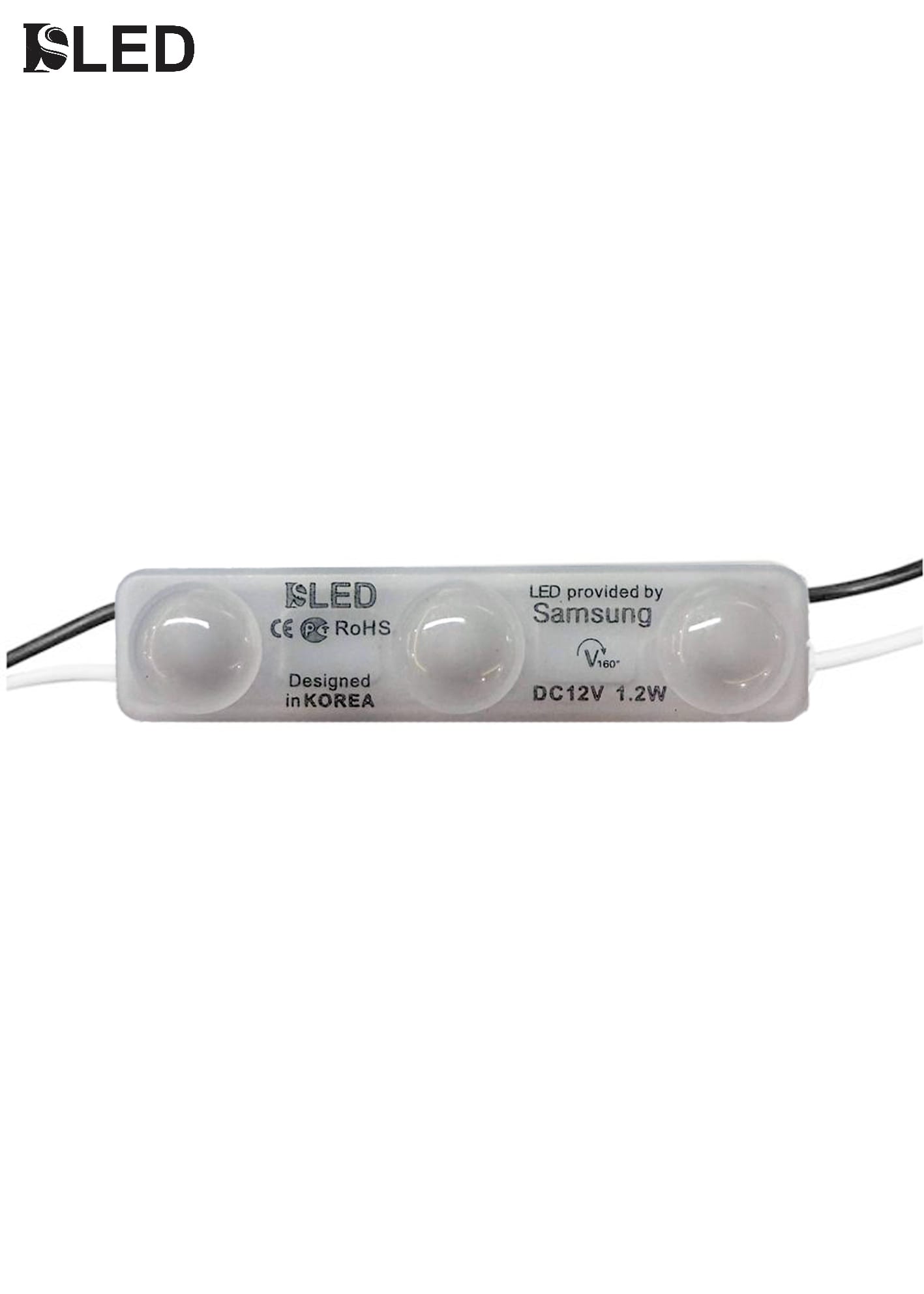
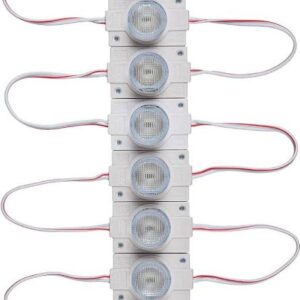
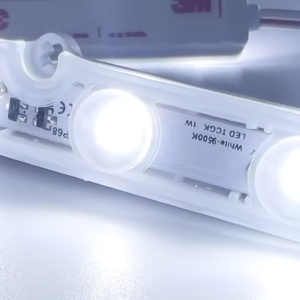
Samsung LED 2835 Module Cool White (10000K) 160° for Illuminated Signage
Illuminated signage depends on more than the visible face of a sign. The LED modules behind the face determine how evenly the surface is illuminated, how the sign looks at night, and how efficiently the electrical system operates. The Samsung LED 2835 Module Cool White (10000K) 160° is designed for applications where a very cool white appearance and broad light distribution are important.
With a 10000K colour temperature and 160° beam angle, this type of LED module can be considered for channel letters, illuminated logos, light boxes, retail displays, exhibition graphics, architectural signs and other fabricated signage. For sign makers and display contractors in Saudi Arabia, understanding colour temperature, optical coverage, module spacing and installation conditions helps achieve more consistent results.
What Is a Samsung LED 2835 Module Cool White 10000K 160°?
A Samsung LED 2835 module is a compact LED lighting component used as part of an illuminated signage system. The 2835 designation refers to the LED package format, while 10000K describes the colour temperature and 160° describes the approximate light distribution angle.
A 10000K LED produces a very cool white appearance compared with standard daylight white or neutral white lighting. This can create a crisp, bright visual effect when used behind suitable sign faces. The 160° optical distribution is particularly relevant when the objective is to spread light across a wider area rather than concentrate illumination into a narrow beam.
In practical signage fabrication, the LED module works together with the sign face, cabinet depth, reflective interior, power supply, wiring and module spacing. The final appearance therefore depends on the complete system rather than the LED module alone.
Understanding the 10000K Cool White Colour Temperature
Colour temperature is one of the most important considerations when selecting LED lighting for signs. It is measured in Kelvin (K), and different Kelvin values create noticeably different visual appearances.
A 10000K cool white LED sits toward the very cool end of the white-light spectrum. Compared with 3000K warm white, it appears much colder and more blue-white. Compared with conventional 6500K daylight white, 10000K can produce an even cooler visual impression.
This characteristic can be useful for brands and environments where a sharp, high-contrast illuminated appearance is desired. It may work particularly well with certain blue, silver, black, white or contemporary corporate colour schemes.
However, colour selection should always consider the sign face material and the brand’s visual identity. A cool-white LED behind translucent acrylic can produce a different perceived result from the same module installed behind another diffuser or face material.
Why Does a 160° Beam Angle Matter?
The 160° beam angle describes how widely light is distributed from the LED module. In signage, a wider distribution can help illuminate a larger portion of the sign face from each module.
This is particularly useful in fabricated channel letters and shallow illuminated cabinets where the distance between the LED modules and the front face is limited. Wider optical coverage can help reduce visible bright spots and dark areas when the modules are correctly positioned.
The beam angle does not mean that every sign will automatically have perfectly uniform illumination. Sign depth, face material, LED spacing, module orientation, reflective surfaces and the number of modules all influence the final result.
For this reason, experienced sign fabricators normally test module positioning before completing large production runs.
Samsung LED 2835 Modules for Channel Letters
Channel letters are one of the most common applications for LED modules. These three-dimensional letters can be manufactured from materials such as aluminium, acrylic, stainless steel, PVC and other sign-making components.
LED modules are installed inside the letter body and positioned toward the translucent front face. When the system is powered, the LEDs illuminate the face from behind.
The 160° distribution of this cool-white module can be useful where broad illumination is required across the letter surface. Proper module spacing becomes especially important for smaller letters, narrow strokes and areas with irregular shapes.
For large commercial signage, fabricators may also use different module layouts for individual letters depending on their dimensions. A wide letter may require a different arrangement from a narrow letter even when the same LED module is used.
Illuminated Logos and Corporate Branding
Corporate logos often contain complex shapes, narrow sections and different illuminated elements. Uniformity is therefore important because shadows, hotspots or uneven brightness can make the finished logo look inconsistent.
A 10000K cool-white module can be considered when a company wants a crisp, contemporary white appearance. It may be suitable for reception signage, building identification, corporate facades, retail branding and illuminated logos.
In Saudi Arabia, illuminated corporate signs are commonly found across commercial districts and business environments such as Riyadh, Jeddah, Dammam, Khobar, Al Olaya, King Fahd Road and major mixed-use developments.
The correct LED layout should be determined from the actual logo dimensions rather than simply applying a fixed number of modules per square metre.
LED Light Boxes and Illuminated Panels
Light boxes require controlled illumination across a relatively broad surface. The LEDs are typically positioned behind a translucent face, with the internal construction designed to distribute light across the visible area.
A 160° module can be useful for this type of application because its broad distribution can help cover more of the illuminated surface.
The result will still depend on the depth of the light box and the distance between the LED modules and the face. If the modules are too close to the face, hotspots may become visible. If they are positioned too far apart, darker areas may appear.
Using a reflective internal surface can also help redirect light toward the face and improve the overall efficiency of the illuminated enclosure.
Retail Signage and Storefront Displays
Retail environments depend heavily on visual presentation. Illuminated logos, fascia signs, promotional displays and product graphics need to remain visible during evening trading hours while maintaining a consistent appearance.
Cool white illumination can create a clean and highly visible presentation for many contemporary retail environments. It can be incorporated into shopfront letters, illuminated panels, directional signs and branded displays.
In busy commercial locations such as Riyadh Front, Al Nakheel, Al Malaz, Jeddah, Dammam and Khobar, signage may need to remain visually clear from different viewing distances and angles.
The choice of 10000K should be coordinated with the store’s interior lighting and brand colours so the exterior sign does not appear visually disconnected from the overall customer experience.
Exhibition Stands and Event Displays
Exhibition contractors frequently require compact lighting components for temporary or semi-permanent displays. LED modules can be incorporated into illuminated logos, backlit panels, reception counters, display walls and branded architectural features.
Saudi Arabia has a growing ecosystem of trade exhibitions and business events, particularly in Riyadh and Jeddah. Venues such as the Riyadh International Convention & Exhibition Center and Riyadh Front Exhibition & Conference Center host events where exhibitors use illuminated graphics and branded structures to attract attention.
For exhibition work, module placement should account for transportation, assembly, disassembly and repeated installation. Secure connections and organized wiring are important because exhibition displays may be assembled under tight deadlines.
Architectural and Building Signage
Building identification signs often need to be readable from a distance. Illuminated letters and logos may be mounted on façades, entrance structures, podiums or commercial buildings.
A cool-white LED system can provide a sharp nighttime appearance for contemporary architectural signage. The 160° distribution can support broad illumination when modules are installed at suitable distances from the sign face.
For large building signs, however, the lighting design should consider the viewing distance, letter height, sign depth, surrounding ambient light and local building requirements.
A module arrangement that works for a small indoor sign should not automatically be copied onto a large exterior façade.
Choosing Between 10000K and 6500K LED Modules
Colour temperature is an important difference between LED module options.
A 6500K daylight white module generally provides a cooler daylight appearance, while 10000K cool white produces an even cooler visual effect. Neither colour temperature is universally appropriate for every application.
For comparison, a product such as Samsung Led 2835 Module Day White (6500K) may be considered when a more conventional daylight-white appearance is preferred.
The choice should be based on the desired brand appearance, sign-face material, surrounding lighting and viewing conditions. For projects where colour consistency across multiple signs matters, using the same colour temperature throughout the project can help maintain a consistent visual identity.
LED Module Spacing and Sign Depth
LED spacing is one of the most important technical factors in achieving uniform illumination.
If modules are positioned too close together, the sign may consume unnecessary power and still show concentrated bright areas. If modules are placed too far apart, dark patches can appear between individual light sources.
The correct spacing depends on several variables, including:
- Letter or cabinet depth
- Face material
- Translucency
- Reflective interior surface
- Module optical distribution
- Required brightness
- Shape of the illuminated area
- Viewing distance
A deeper letter may allow greater separation between the LEDs and the face. Shallow letters require more careful optical planning.
Sign makers should therefore create a small lighting test before committing to large-scale production.
Power Supply and Electrical Planning
LED modules require an appropriate power supply and correctly planned electrical circuit. The power supply should be selected according to the total connected load, operating voltage and manufacturer’s requirements.
For a large sign, modules are commonly divided into suitable electrical runs rather than connecting everything into one uncontrolled circuit. This can make installation and maintenance easier.
Cable sizing, connection quality, polarity, waterproofing and load distribution should also be considered. Poor electrical connections can lead to flickering, partial illumination or premature component failure.
The power supply should be installed in an accessible and appropriately protected location. For exterior signage, electrical components should be protected from moisture and environmental exposure according to the requirements of the complete installation.
Outdoor Signage in the Saudi Climate
Saudi Arabia presents demanding environmental conditions for exterior signage. Riyadh and other inland cities can experience high summer temperatures, while coastal locations such as Jeddah, Dammam and Al Khobar also experience humidity and salt-laden air.
For outdoor applications, the complete LED system should be selected with environmental conditions in mind. The module’s protection rating, enclosure design, cable connections, power supply installation and sign construction all contribute to long-term performance.
A module should not be judged by its LED package alone. Proper sealing, drainage, ventilation where appropriate and protection of electrical connections can significantly influence the reliability of an illuminated sign.
Fabrication Considerations for Sign Makers
Before installation, sign fabricators should confirm the dimensions of the illuminated area and determine how many modules are required. A practical layout can then be developed based on the module’s optical characteristics.
The interior of a channel letter or light box should be clean and suitable for the selected fixing method. Reflective surfaces can help distribute light, while poorly finished interiors may absorb or scatter light unpredictably.
The sign face should also be checked for consistent translucency. Different acrylics, vinyls and translucent materials can change how the 10000K light is perceived.
A test assembly is particularly valuable for logos with narrow strokes, curved sections, small counters or unusually deep and shallow areas.
Common Problems With LED Module Installation
Uneven illumination is one of the most common problems in backlit signage. It can result from incorrect spacing, insufficient sign depth, unsuitable face material or inconsistent module placement.
Dark corners can occur when the modules are positioned only in the centre of a large illuminated area. Hotspots can occur when individual modules are too close to the front face.
Another issue is voltage drop across long cable runs. This can cause differences in brightness between sections of a large sign.
Loose connectors and poorly protected joints can create intermittent operation. For exterior signage, moisture entering cable connections or electrical enclosures can create additional maintenance problems.
Careful planning before fabrication can prevent many of these issues.
Maintenance of Illuminated LED Signs
LED signage generally requires less routine maintenance than many older lighting technologies, but periodic inspection remains useful.
Signage teams should check for uneven brightness, flickering, damaged faces, loose wiring, moisture ingress and power-supply problems. Exterior signs should also be cleaned periodically because dust and environmental deposits can reduce the visual impact of the illuminated surface.
For large commercial installations, maintenance records can help identify recurring issues and make replacement planning easier.
If one section of a sign becomes noticeably darker than the surrounding area, technicians should inspect both the LED modules and the electrical circuit supplying that section.
Applications Across Saudi Arabia
The Samsung LED 2835 Module Cool White (10000K) 160° can be considered for a wide range of fabricated lighting applications across Saudi Arabia.
Commercial applications can include illuminated shop signs, retail fascia, corporate logos, office identification signs, building names, reception branding and directional displays.
In Riyadh, the technology can be relevant to retail centres, corporate buildings, hospitality properties and exhibition projects. In Jeddah, illuminated storefronts, commercial signage and coastal business environments can require carefully planned exterior lighting systems. Dammam and Khobar also have commercial, retail and corporate applications where illuminated branding is required.
The same principles apply to projects in Al Olaya, Al Malaz, Al Nakheel, King Fahd Road and other commercial areas, where sign visibility and consistent brand presentation are important.
How to Select the Right LED Module for a Project
Choosing an LED module should begin with the application rather than the product name alone.
Consider the required colour temperature, sign depth, face material, illuminated area, viewing distance and desired brightness. Then evaluate the module’s optical distribution, electrical requirements and environmental suitability.
For projects involving multiple signs, maintaining the same colour temperature and lighting technology can also simplify future maintenance and replacement.
It is useful to request product documentation and confirm the manufacturer’s technical specifications before placing a large order, particularly for outdoor installations or projects with strict electrical and performance requirements.
Buying LED Modules for Signage Projects in Saudi Arabia
For professional signage production, LED modules should be sourced according to the project’s actual technical requirements. Sign makers, advertising companies, exhibition contractors and commercial project teams may need different quantities depending on the sign dimensions and fabrication method.
When purchasing, confirm the model, colour temperature, operating voltage, optical angle, environmental rating and recommended installation conditions. Quantity planning should also include suitable allowances for project-specific layouts and future maintenance requirements.
The Samsung LED 2835 Module Cool White (10000K) 160° is particularly relevant to projects where a very cool white appearance and broad optical distribution are part of the desired lighting design.
Final Considerations
The Samsung LED 2835 Module Cool White (10000K) 160° combines a very cool white colour temperature with broad light distribution for fabricated illuminated signage. Its potential applications include channel letters, logos, light boxes, retail displays, exhibition structures and architectural branding.
Successful results depend on more than installing the modules. Sign depth, LED spacing, face material, reflective surfaces, electrical design, power supply selection and environmental protection all contribute to the finished appearance.
For Saudi signage projects, these factors become especially important when installations must operate through demanding outdoor conditions. A properly planned LED module layout can help sign makers achieve cleaner illumination, better visual consistency and a more professional finished display.
Reviews
There are no reviews yet.