

Description
DTEX 150gsm Satin Textile for Digital Printing and Fabric Graphics in Saudi Arabia
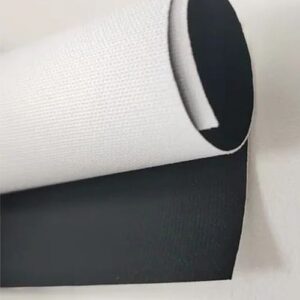
DTEX 150gsm Satin Textile is a lightweight printable textile media designed for digital graphics, promotional displays, exhibitions, retail branding and event communication. With a stated weight of 150gsm and a satin surface appearance, this type of fabric media can provide a softer visual alternative to rigid boards and conventional signage materials.
Textile graphics are increasingly used in exhibition stands, retail environments, corporate events, conferences and branded interiors. For digital printing companies, sign makers and event contractors in Saudi Arabia, DTEX 150gsm Satin Textile can be considered for applications where lightweight handling, fabric presentation and high-quality printed graphics are important.
What Is DTEX 150gsm Satin Textile?
DTEX 150gsm Satin Textile is a printable fabric-based media with a stated weight of 150 grams per square metre. The satin finish provides a surface appearance that sits between highly reflective and strongly matte materials.
The exact fibre composition, coating, print technology, finishing requirements and recommended applications should be confirmed through the manufacturer’s technical documentation.
Compared with heavier textile media, a 150gsm material offers a relatively lightweight construction that can be useful for graphics requiring easier handling, transportation and installation.
Why Choose Lightweight Satin Textile?
Textile graphics provide a different visual character from rigid PVC boards, acrylic sheets and other hard substrates. The fabric surface can create a softer appearance that works particularly well for branded environments and temporary displays.
A lightweight textile can also simplify transportation for exhibition contractors and event teams. Large graphics can be handled more easily than many rigid alternatives, although the final packing and folding method should always follow the material manufacturer’s recommendations.
The satin finish can provide a balanced appearance under indoor lighting, making it useful for graphics displayed under exhibition spotlights, retail illumination and event lighting.
Digital Textile Printing Applications
DTEX 150gsm Satin Textile can be considered for compatible digital textile printing systems. The finished result depends on the printer, ink technology, colour profile, resolution, media settings and finishing process.
Before beginning a large production run, printers should confirm compatibility between the textile and their equipment.
Colour management is especially important for corporate branding. Logos, brand colours, product photography and promotional graphics should be prepared at suitable resolution and printed using the appropriate media profile.
A test print can help evaluate colour reproduction, surface appearance and drying or curing behaviour.
Exhibition and Trade Show Graphics
Exhibitions are one of the most relevant environments for fabric graphics. Lightweight textile can be used for suitable backdrops, promotional walls, hanging graphics and branded display structures.
Saudi Arabia has an active exhibition and conference sector, particularly in Riyadh and Jeddah. Events held at venues such as the Riyadh Front Exhibition & Conference Center and Riyadh International Convention & Exhibition Center require professional visual communication for exhibitors and sponsors.
A satin textile graphic can provide a clean branded surface while being easier to transport than many rigid display panels.
For exhibition graphics, designers should consider viewing distance, frame dimensions, lighting and installation method before preparing the artwork.
Retail Displays and Visual Merchandising
Retail brands can use fabric graphics to create promotional backgrounds, campaign displays, seasonal branding and product-area communication.
Fashion retailers, electronics stores, furniture brands, lifestyle businesses and hospitality operators can incorporate textile graphics into temporary promotional environments.
In commercial districts such as Al Olaya, King Fahd Road and Al Nakheel in Riyadh, branded displays can support retail campaigns and in-store visual merchandising. Similar applications can be found throughout Jeddah, Dammam and Al Khobar.
The satin appearance can help create a professional presentation under artificial retail lighting without the strong reflections associated with some glossy materials.
Corporate Events and Conferences
Corporate events often require branded environments that can be installed temporarily and transported between locations. Lightweight fabric graphics can be useful for registration areas, presentation backgrounds, media walls, promotional spaces and company branding.
The graphic should be designed around the physical display structure. Important elements such as company logos and headlines should be positioned where they remain visible after the fabric is installed.
For recurring corporate events, durable finishing and careful storage can help extend the useful life of the printed graphic.
Satin Textile vs Glossy Media
Surface finish can significantly affect the appearance of printed graphics.
Glossy materials tend to produce stronger reflections and can make colours appear visually vibrant. Matte materials reduce surface reflection but can have a different visual character.
Satin textile provides an intermediate appearance that can work well where businesses want a refined fabric presentation without an excessively reflective surface.
The appropriate finish depends on the lighting environment, viewing distance and overall design of the display.
Lightweight Textile vs Heavier Frontlit Textile
Different textile weights are suitable for different display requirements. A lightweight 150gsm textile can be useful when portability and easy handling are important.
Heavier textiles can provide different levels of structure, opacity and handling characteristics depending on their construction.
For projects where a heavier blackback textile is required, DTEX 260gsm Frontlit Blackback Textile can be evaluated as another option according to the required application, opacity and display system.
The two materials should not be treated as direct substitutes without checking their technical specifications and intended uses.
Indoor Branding and Commercial Interiors
Textile graphics can also be incorporated into commercial interiors. Offices, hotels, restaurants, showrooms and corporate facilities can use fabric graphics for decorative walls, promotional campaigns, temporary branding and event installations.
A lightweight satin textile can be especially useful for temporary campaigns where the display needs to be changed regularly.
In business environments across Riyadh, Jeddah, Dammam and Al Khobar, fabric graphics can complement reception areas, meeting spaces, retail displays and corporate events.
Installation and Finishing
The installation method depends on the display system. Textile graphics may be used with frames, display structures, hanging systems or other compatible hardware.
Accurate measurement is essential because the finished graphic needs to match the frame or display dimensions. Finishing requirements should be considered before printing because sewing, edging or attachment methods can affect the final dimensions.
The fabric should also be handled carefully during installation to avoid stains, excessive creasing or damage to printed areas.
Saudi Climate and Storage
Although textile graphics are commonly used indoors, Saudi environmental conditions should still be considered during transportation and storage.
High temperatures, dust and direct sunlight can affect materials if they are stored incorrectly or exposed to unsuitable conditions. For outdoor use, the manufacturer should confirm the product’s UV resistance, weatherability, moisture performance and expected service life.
For indoor exhibitions, retail stores and corporate events, controlled environments generally make material management easier.
Choosing DTEX 150gsm Satin Textile
When selecting printable textile media, digital printers and signage professionals should evaluate:
- Intended application
- Printing technology
- Ink compatibility
- Surface finish
- Graphic dimensions
- Display structure
- Indoor or outdoor exposure
- Required opacity
- Finishing method
- Transportation and storage
- Expected display duration
A sample print is recommended for larger projects to verify colour reproduction, surface appearance, handling and compatibility with the intended display system.
Frequently Asked Questions
What is DTEX 150gsm Satin Textile used for?
It can be considered for exhibition graphics, promotional displays, retail branding, corporate events, decorative fabric graphics and other suitable digital textile printing applications.
What does 150gsm mean?
150gsm means the textile has a stated weight of 150 grams per square metre. It provides an indication of material weight but does not define all performance characteristics.
What does satin textile mean?
Satin refers to the surface appearance of the textile. It generally provides a controlled, refined finish between strongly glossy and heavily matte surfaces.
Is lightweight textile suitable for exhibitions?
Yes, suitable lightweight textiles can be used for exhibition graphics, backdrops and promotional displays when the material and finishing method match the display structure.
Can DTEX 150gsm Satin Textile be used outdoors?
Outdoor suitability depends on the manufacturer’s specifications, printing process and environmental exposure. Confirm UV and weather resistance before using the material outdoors.
Conclusion
DTEX 150gsm Satin Textile offers a lightweight option for professional digital textile printing, exhibitions, retail displays, corporate events and commercial visual communication. Its satin surface can provide a refined fabric appearance while its lightweight construction can simplify handling and transportation for suitable applications.
For digital printers, exhibition contractors and signage professionals serving Riyadh, Jeddah, Dammam, Al Khobar and other Saudi markets, selecting the correct textile requires consideration of printing compatibility, display structure, finish, exposure and finishing requirements. Proper artwork preparation, test printing and professional installation can help produce consistent fabric graphics for commercial environments.
Reviews
There are no reviews yet.