Description
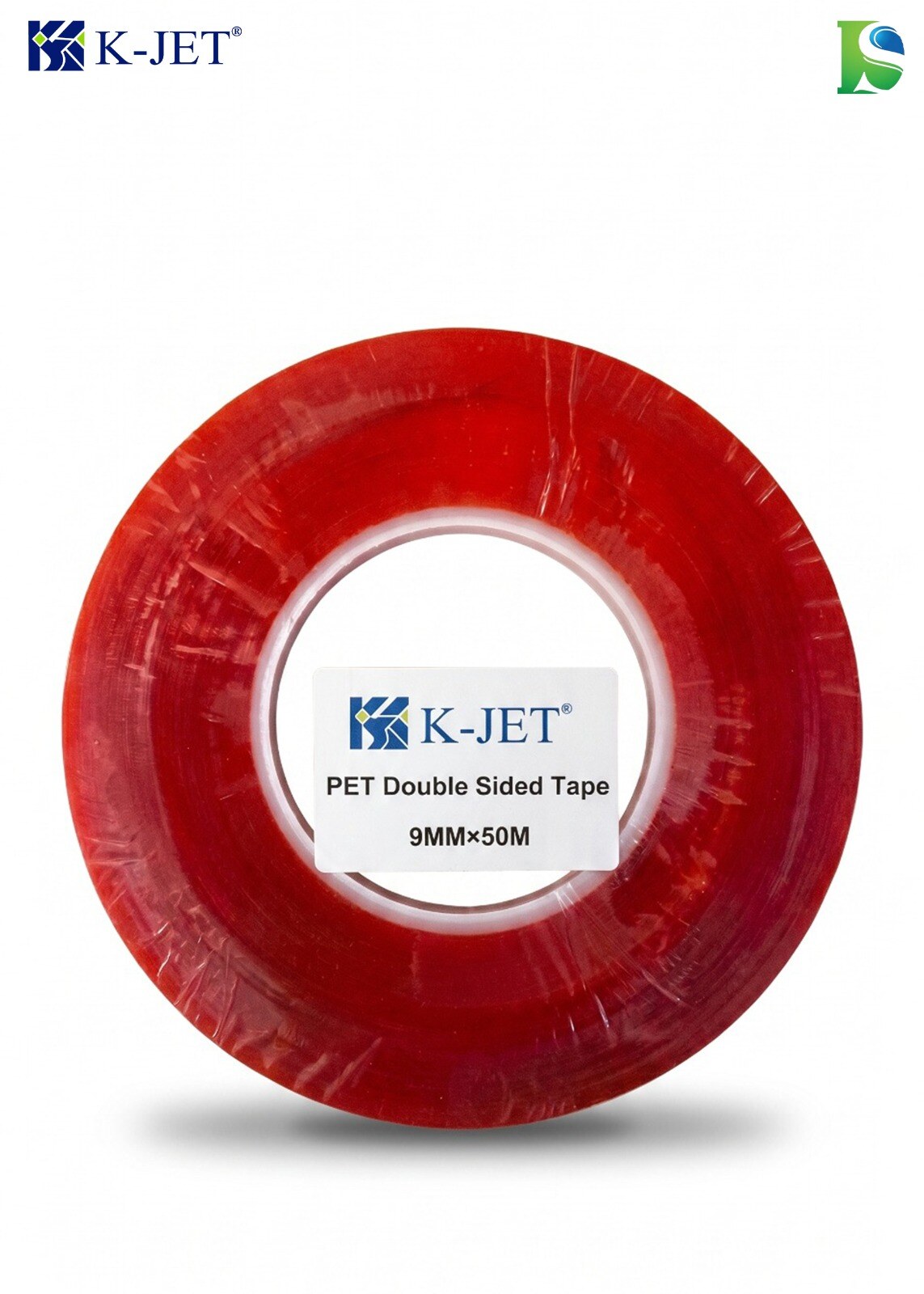
Double Sided Red Tape for Signage, Displays and Fabrication
Professional signage and display fabrication often depends on small installation materials that are not visible in the finished product. Adhesive tape is one of those materials. The right tape can help sign makers position components, attach lightweight materials, create clean finishes and speed up assembly without relying on visible mechanical fasteners.
Double Sided Red Tape is a practical adhesive solution for applications where bonding is required on both sides of the tape. It can be useful for signage manufacturers, advertising companies, exhibition contractors, retail display fabricators, interior branding teams and general fabrication workshops.
In Saudi Arabia, where commercial signage is widely used across retail, hospitality, corporate and exhibition environments, selecting an appropriate adhesive system can make fabrication more efficient. However, the tape should always be matched to the materials, surface condition, temperature, load and intended application.
What Is Double Sided Red Tape?
Double-sided tape is an adhesive material coated on both sides of a carrier or backing. After the protective liner is removed, both adhesive surfaces can bond to compatible substrates.
The term red tape commonly refers to the colour or appearance of the protective release liner found on certain double-sided adhesive products. The actual adhesive may be transparent, depending on the product construction.
The tape can provide a clean alternative to some mechanical fastening methods for lightweight components and finishing applications.
Its performance depends on factors such as adhesive formulation, tape thickness, substrate compatibility, surface preparation, temperature, pressure and curing time.
For professional fabrication, buyers should always check the manufacturer’s technical data before using a particular tape for structural or high-load applications.
Why Double Sided Tape Is Useful in Sign Fabrication
Sign fabrication often involves joining different materials without wanting visible screws, rivets or brackets on the finished surface.
Double-sided adhesive tape can provide a concealed attachment method. Once installed correctly, the tape remains between the two surfaces and does not normally affect the visual appearance.
This can be particularly useful when working with acrylic sheets, PVC foam boards, aluminium composite panels, printed graphics, lightweight letters and display components.
For temporary positioning, tape can also help hold a component in place while another fixing method is installed.
The key consideration is that adhesive tape should be selected according to the actual purpose. A tape suitable for positioning a lightweight graphic is not necessarily suitable for permanently supporting a heavy sign.
Understanding the Red Release Liner
The red liner is normally the removable protective layer covering the adhesive before installation.
The liner protects the adhesive from dust, moisture and accidental contact while the tape is stored and handled.
During installation, one side may be exposed first so the tape can be attached to the selected substrate. The second liner is then removed before the other component is positioned.
The colour of the liner itself does not automatically indicate adhesive strength. Different manufacturers can use different liner colours for different products.
Therefore, buyers should focus on the documented adhesive properties rather than choosing a tape based only on the colour of its liner.
Double Sided Tape for Acrylic
Acrylic is widely used in signage, illuminated letters, displays and branding.
Double-sided tape can be useful for attaching lightweight acrylic elements to compatible surfaces where a concealed fixing method is preferred.
Examples can include decorative acrylic panels, small dimensional lettering, branding elements, display graphics and interior signage.
Surface preparation is particularly important when bonding acrylic. The surface should be clean and free from dust, oil, grease and other contaminants.
Because acrylic can have different finishes and surface characteristics, fabricators should test the tape before beginning large production runs.
Applications With PVC Foam Board
PVC foam board, commonly used under trade names such as Foamex or Forex in some markets, is a lightweight rigid sheet material used for signs, displays and printed graphics.
Double-sided tape can be considered for mounting lightweight PVC foam board components, graphic elements and display accessories.
The weight and dimensions of the board should be evaluated before selecting the adhesive.
A small sign mounted indoors may place relatively little stress on the adhesive. A large panel installed vertically or exposed to temperature changes can create substantially higher demands.
For larger applications, mechanical fixing or a combination of adhesive and mechanical support may be more appropriate.
Use With Aluminium and Composite Panels
Aluminium and aluminium composite materials are frequently used for commercial signage, fascia panels, directional signs and fabricated displays.
Double-sided adhesive tape can be useful for attaching lightweight components to aluminium surfaces.
The aluminium surface should be clean and free of oil, dust and oxidation that could interfere with adhesion.
Some painted, powder-coated or laminated surfaces can behave differently from bare metal. Compatibility testing is therefore recommended before production.
For exterior signage, environmental exposure should also be considered. Heat, humidity, dust and thermal expansion can influence adhesive performance.
LED Signage and Illuminated Letters
Modern LED signage contains several materials and components, including acrylic, aluminium, PVC, LED modules, LED strips, wiring, power supplies and mounting structures.
Double-sided adhesive tape can sometimes be used for positioning or securing lightweight non-structural components within an illuminated sign.
For example, it may assist with attaching lightweight trims, graphic elements, cable-management accessories or other components where the manufacturer’s recommendations permit adhesive bonding.
However, adhesive tape should not automatically be treated as a substitute for a structural fixing system.
LED modules and electrical components should be installed according to their product requirements. Heavy or externally mounted signage should have an appropriate mechanical support system.
Channel Letter Fabrication
Channel letters are individual three-dimensional letters used for storefronts, corporate buildings, hotels and commercial properties.
Fabricators may use aluminium, acrylic, stainless steel, PVC and other materials to construct the letters.
Double-sided adhesive tape can be useful for lightweight decorative elements, temporary positioning and selected non-structural bonding applications.
The actual bonding method should depend on the weight and shape of the component.
For exterior channel letters, installers should also account for wind, heat, humidity and repeated temperature changes. A tape that works well for indoor fabrication may not have the required environmental performance outdoors.
Retail Displays and Point-of-Sale Materials
Retail displays frequently require fast and clean installation.
Adhesive tape can be useful for attaching promotional graphics, lightweight signs, acrylic elements, small display components and branded materials.
Because retail displays may be changed regularly, the fabricator may need to consider whether the bond is intended to be permanent, semi-permanent or temporary.
The correct tape should therefore be selected according to the expected service life.
Retail environments across Riyadh, Jeddah, Dammam and Khobar can involve different store formats, from shopping centres to standalone commercial properties. The installation method should reflect the actual surface and environmental conditions.
Exhibition Stand Fabrication
Exhibition stands often have strict installation schedules. Contractors need to assemble walls, counters, graphics, lighting and decorative elements quickly while maintaining a professional appearance.
Double-sided tape can be useful for selected lightweight components because it can eliminate the need for visible fasteners.
Applications may include mounting graphics, decorative trims, lightweight acrylic branding and temporary positioning of display elements.
Major Saudi exhibition venues such as Riyadh Front Exhibition & Conference Center and the Riyadh International Convention & Exhibition Center host events where custom-built exhibition structures are assembled and dismantled under tight deadlines.
For temporary installations, fabricators should still consider surface damage, removal requirements and the possibility of adhesive residue.
Interior Branding and Commercial Fit-Out
Interior branding often involves mounting logos, room signs, decorative panels and directional graphics onto walls and other finished surfaces.
Double-sided adhesive tape can provide a clean appearance because the fixing remains concealed behind the component.
This can be useful in offices, reception areas, hotels, restaurants, retail stores and commercial interiors.
However, wall finishes vary considerably. Painted drywall, glass, metal, laminate, wood veneer and textured surfaces can have different adhesion characteristics.
Before installing valuable branding materials, the installer should test the tape on a small area or an equivalent substrate.
Surface Preparation Before Applying Tape
Surface preparation has a major impact on adhesive performance.
Before applying double-sided tape, the surface should normally be clean, dry and free from dust, grease, oil and loose particles.
A contaminated surface can reduce the contact between adhesive and substrate.
The exact cleaning method should be compatible with both materials. Some solvents can damage plastics, painted finishes or printed surfaces.
Fabricators should also avoid touching the prepared adhesive surface unnecessarily because oils from hands can contaminate the bonding area.
A clean substrate provides a better foundation for consistent adhesion.
Importance of Pressure During Installation
Adhesive tape generally requires adequate contact pressure to establish a reliable bond.
Simply placing the tape on a surface without applying sufficient pressure can leave air gaps or reduce the effective contact area.
During installation, the component should be positioned carefully and pressed firmly across the bonded area.
The manufacturer’s instructions should be followed because different adhesive technologies can have different pressure and curing requirements.
Where possible, production teams should develop a consistent application method so that every component receives similar surface preparation and pressure.
Temperature and Saudi Climate Considerations
Temperature can affect adhesive performance.
Saudi Arabia experiences high temperatures during summer, and exterior signs can become significantly hotter than the surrounding air because of direct solar exposure.
In coastal cities such as Jeddah, Dammam and Khobar, humidity and salt-laden air can also influence exterior installations.
Inland locations such as Riyadh can experience very hot and dry conditions.
For outdoor signage, buyers should verify the tape’s operating temperature range and environmental resistance before installation.
The thermal expansion of the bonded materials should also be considered, especially where two materials have different rates of expansion.
Indoor vs Outdoor Applications
Not all double-sided tapes are designed for outdoor use.
Indoor applications are generally exposed to fewer environmental stresses, although temperature and humidity can still vary.
Outdoor applications may involve UV exposure, rain, dust, humidity, temperature cycling and mechanical stress.
A tape that performs well inside an office or retail store may not have sufficient durability for a building façade.
For exterior projects, always confirm that the selected tape is specifically rated for the expected environmental conditions.
Tape Thickness and Bonding Performance
Double-sided adhesive tapes are manufactured in different thicknesses.
Thickness can affect how the tape conforms to small surface irregularities and how it handles movement between substrates.
A thin tape may be suitable for smooth, closely fitting surfaces. A thicker adhesive system may provide better conformity where there are minor surface variations.
However, thicker does not automatically mean stronger.
The correct tape should be selected according to the adhesive technology, substrate, load and intended service conditions.
Choosing the Correct Adhesive for Different Materials
Sign fabrication often involves several substrates in the same project.
Common materials include:
Acrylic: Used for illuminated letters, logos and displays.
Aluminium: Used for sign cabinets, frames and structural components.
PVC foam board: Used for printed signs and display panels.
Polycarbonate: Used for selected illuminated and protective applications.
Glass: Used in retail and interior branding.
Painted surfaces: Common in commercial interiors and fabricated panels.
Each substrate can have different surface energy and adhesion characteristics.
Testing the actual material combination before mass production can help prevent installation failures.
Common Mistakes When Using Double Sided Tape
One common mistake is applying tape to a dirty or dusty surface. Contamination can significantly reduce adhesion.
Another is using too little tape for the intended load.
Installers may also fail to account for temperature changes or outdoor exposure.
Applying tape to textured or uneven surfaces without checking compatibility can also create weak contact areas.
Another issue is removing the release liner too early. Exposing the adhesive before the component is ready for installation can allow dust to accumulate.
Finally, tape should not be used as a structural fixing simply because it initially feels strong. Long-term loads, environmental conditions and safety requirements must be considered.
How to Apply Double Sided Red Tape Correctly
A practical installation process begins with measuring and cutting the required tape length.
The substrate should then be cleaned and allowed to dry.
The tape can be applied smoothly without unnecessary stretching. Firm pressure should be applied to maximize contact.
After positioning the first surface, the protective liner can be removed from the exposed side.
The second component should then be aligned carefully before being pressed into place.
Depending on the adhesive system, full bond strength may develop over time. The manufacturer’s instructions should therefore be followed before applying significant load.
Removing Double Sided Tape
Removal requirements should be considered when installing temporary signage or exhibition displays.
The method will depend on the adhesive type and the substrates involved.
Pulling too aggressively can damage paint, acrylic, graphics or other surfaces.
For valuable finished surfaces, installers should test the removal method on an inconspicuous area first.
If the tape is being used for temporary exhibition graphics, selecting a product specifically designed for removable applications can make dismantling easier.
Storage and Handling
Adhesive tape should be stored according to the manufacturer’s recommendations.
Exposure to excessive heat, moisture, dust or direct sunlight can affect adhesive materials over time.
Rolls should be kept clean and protected from mechanical damage.
Fabricators should also avoid storing tape in locations where temperature conditions are significantly outside the recommended storage range.
Proper stock rotation can help ensure older rolls are used appropriately rather than remaining unused for extended periods.
Applications Across Saudi Arabia
Double-sided adhesive tape has potential applications across Saudi Arabia’s signage and display industry.
In Riyadh, it can support retail displays, corporate branding, exhibition fabrication and commercial signage.
In Jeddah, applications can include hospitality branding, retail displays, interior signage and commercial projects.
Dammam and Khobar also have corporate, retail and commercial environments where concealed adhesive fixing can be useful.
Areas such as Al Olaya, Al Malaz, Al Nakheel and King Fahd Road feature commercial properties where professional signage and display fabrication are frequently required.
The specific tape should always be selected according to the application and installation environment.
Buying Double Sided Red Tape in Saudi Arabia
Professional buyers should evaluate more than roll length and price when purchasing adhesive tape.
Important considerations include adhesive type, tape thickness, width, liner, substrate compatibility, temperature range, environmental resistance and intended application.
Sign manufacturers may also want to keep different adhesive tapes for different fabrication requirements rather than using one product for every project.
For large production runs, testing a sample before purchasing a substantial quantity can reduce the risk of material waste and installation failures.
Final Considerations
Double Sided Red Tape is a versatile fabrication material that can provide concealed bonding for suitable lightweight signage, display and branding applications.
Its potential uses include acrylic components, PVC foam board, aluminium panels, retail displays, exhibition structures, interior branding and selected LED signage fabrication tasks.
However, adhesive performance depends on the complete installation system. Surface preparation, substrate compatibility, pressure, tape coverage, temperature and environmental exposure all influence the final bond.
For Saudi projects, these considerations become particularly important for exterior signage exposed to high temperatures, dust, humidity and changing environmental conditions.
When the correct adhesive tape is selected for the specific substrate and application, it can help sign makers achieve cleaner finishes, faster assembly and fewer visible mechanical fasteners across commercial signage and display projects.
Reviews
There are no reviews yet.