Description
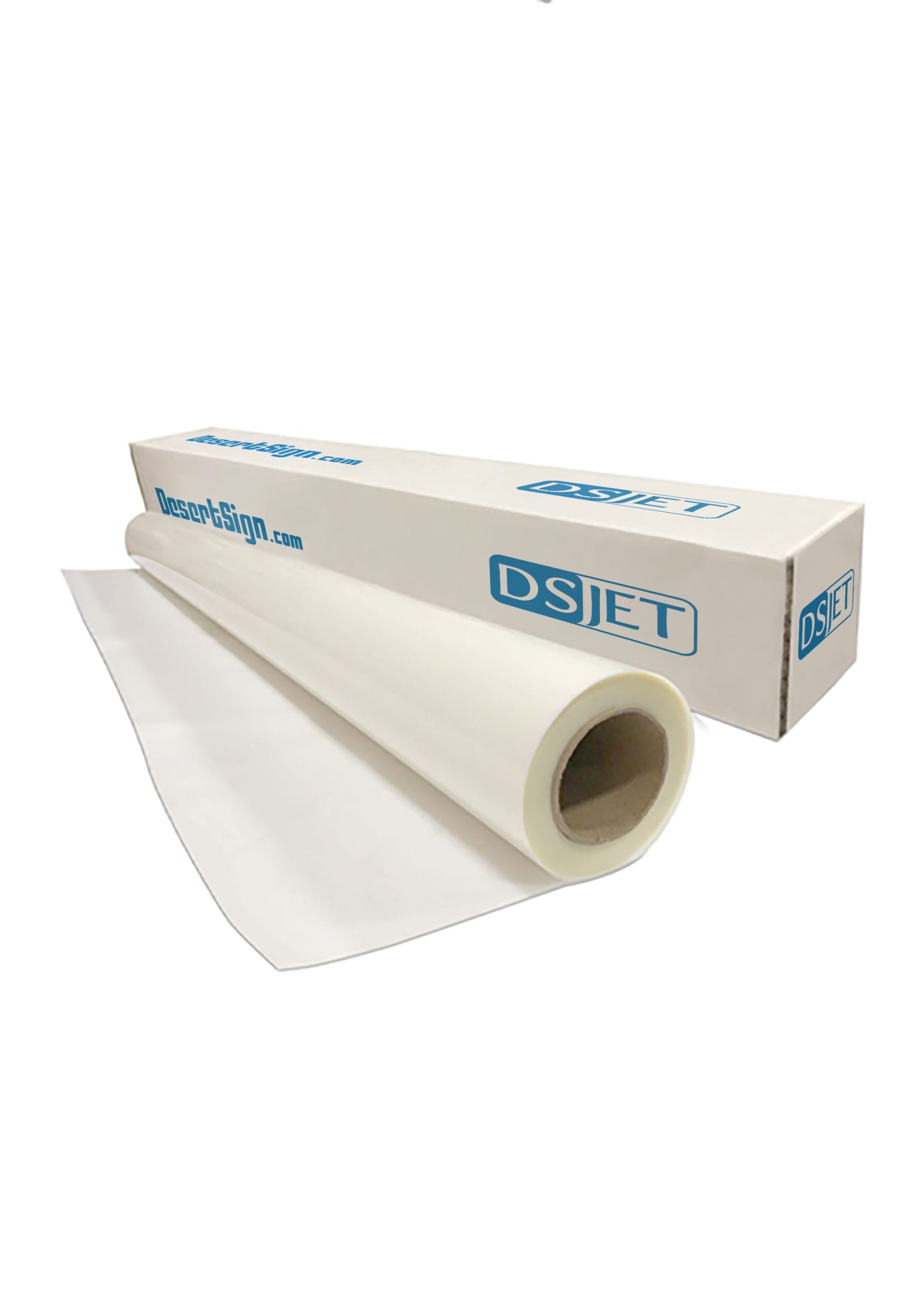
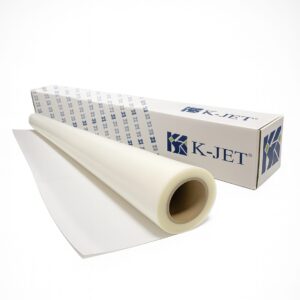
DS JET Lamination Matt / Glossy for Digital Printing & Signage
DS JET Lamination Matt / Glossy is a practical finishing material for protecting and improving digitally printed graphics used in signage, advertising, retail displays, exhibition graphics, promotional materials and commercial branding. Lamination adds a protective surface over printed media while also influencing the final appearance, texture and visual impact of the graphic.
For sign makers and digital printing companies in Saudi Arabia, choosing the right laminate can be just as important as selecting the correct vinyl, printable film or printing method. A suitable laminate can help protect graphics from everyday handling, dust, cleaning and environmental exposure while giving the finished application either a low-glare matte appearance or a brighter glossy finish.
What Is DS JET Lamination Matt / Glossy?
DS JET Lamination Matt / Glossy is designed as a finishing layer for printed graphics. Depending on the selected finish, the surface can have either a matte appearance that reduces reflections or a glossy appearance that enhances colour and visual brightness.
Lamination is commonly used after digital printing to create a more durable finished graphic. It can be applied to suitable printed vinyl, promotional graphics, decals, signage materials and other compatible media according to the manufacturer’s application guidance.
For professional sign makers, the choice between matte and glossy is not simply aesthetic. It can affect readability, reflections, colour perception, cleaning and the overall appearance of a completed sign.
Why Is Lamination Important for Digital Prints?
Printed graphics can be exposed to handling, dust, fingerprints, cleaning and environmental conditions after installation. Without an appropriate protective layer, the printed surface may become scratched, marked or visually degraded depending on the material and application.
Lamination provides an additional surface layer over the printed graphic. It can help protect the print while also creating a consistent finish across the application.
This is particularly useful for commercial graphics that need to maintain a professional appearance for extended periods. Retail displays, promotional panels, exhibition graphics and branded signage can all benefit from appropriate finishing.
The actual level of protection depends on the laminate construction, adhesive system, print media, installation method and intended environment, so product specifications should always be checked before a project.
Matte Lamination vs Glossy Lamination
The main visual difference between matte and glossy lamination is how the surface reflects light.
Matte lamination provides a softer, low-reflection appearance. It can be useful where lighting creates unwanted glare, especially in retail interiors, offices, exhibition environments and areas with strong artificial lighting.
Glossy lamination creates a smoother, more reflective appearance. It can make colours appear more vivid and can give promotional graphics a bright, polished finish.
Neither finish is universally suitable for every project. The right option depends on the graphic design, lighting conditions, viewing distance, location and desired brand appearance.
DS JET Lamination for Signage
Signage manufacturers can use lamination as part of a complete printed-sign production process. A typical workflow may involve designing the artwork, printing the graphic, allowing the print to stabilise according to the ink and media requirements, applying the laminate and then cutting or installing the finished material.
Laminated graphics can be used for promotional signs, wall graphics, directional displays, retail branding, window graphics and other applications where a finished printed surface needs additional protection.
For professional fabrication, compatibility between the printed media and laminate is essential. The laminate should be suitable for the particular substrate and intended installation environment.
Applications in Retail Displays
Retail environments often require graphics that look clean and consistent while dealing with regular customer interaction.
Laminated printed graphics can be used on promotional panels, product displays, point-of-sale graphics, branded boards, window applications and temporary campaigns.
Matte finishes can be useful where strong shop lighting creates reflections, while glossy finishes can be selected when a brighter and more vibrant promotional appearance is preferred.
In busy retail locations, the ability to clean the graphic surface appropriately can also be an important consideration.
Exhibition and Trade Show Graphics
Saudi Arabia has a growing exhibition and events sector, with major commercial activity in Riyadh, Jeddah, Dammam and other business centres. Exhibition contractors regularly produce branded walls, promotional panels, directional graphics, counters and display graphics for trade shows and corporate events.
Lamination can help give these graphics a finished appearance while adding a protective layer during transportation, installation and event use.
For exhibition graphics displayed under strong LED lighting or photography, matte and glossy finishes should be selected carefully. Matte can reduce distracting reflections, while glossy can produce a more vivid visual effect.
At venues such as Riyadh Front Exhibition & Conference Center and Riyadh International Convention & Exhibition Center, lighting conditions can vary significantly between exhibition halls and individual booths.
Vehicle Graphics and Promotional Applications
Laminated printed vinyl is also commonly associated with vehicle graphics and promotional applications. The laminate acts as a protective finishing layer over the printed graphic.
For vehicle applications, however, installers should confirm that the selected laminate is specifically compatible with the vinyl, ink system, application method and expected environmental exposure.
Fleet branding for delivery vehicles, company cars and commercial transportation can require additional consideration because graphics may encounter sunlight, washing, dust and road conditions.
Product documentation should be followed rather than assuming that every laminate is suitable for every vehicle application.
Wall Graphics and Interior Branding
Interior wall graphics are another potential application for laminated digital prints. Businesses can use printed graphics for reception areas, corporate branding, promotional campaigns, retail interiors and temporary displays.
In offices and commercial spaces, matte finishes can provide a sophisticated appearance with reduced reflections. Glossy finishes may be useful when a stronger colour impact is part of the design.
Surface preparation remains important. Walls should be clean, dry, smooth and suitable for the selected adhesive system before installation.
How to Choose Matte or Glossy Lamination
The decision should begin with the environment rather than the finish alone.
Consider the amount of direct lighting, the viewing angle, whether people will touch or clean the graphic, the desired visual effect and the expected duration of the installation.
Choose matte when glare reduction and a softer appearance are important. Choose glossy when colour vibrancy and a reflective, polished appearance are priorities.
For some projects, the best approach is to test both finishes against the actual printed artwork and lighting conditions before producing a large quantity.
Surface Preparation and Application
A clean application surface is essential for achieving a professional result. Dust, moisture, grease and other contaminants can affect adhesion and create visible defects.
During lamination, installers should work carefully to minimise bubbles, wrinkles, silvering and trapped contaminants. Correct application pressure and suitable equipment can help produce a smooth finish.
The printed media should also be properly prepared before lamination. Depending on the printing technology, ink system and media, sufficient drying or curing time may be required.
Following the manufacturer’s technical recommendations is particularly important when combining different brands or material systems.
Common Lamination Problems
Poor lamination can create bubbles, wrinkles, edge lifting, visible marks or inconsistent appearance.
One common cause is contamination between the printed graphic and laminate. Another is applying the material under unsuitable temperature or humidity conditions.
Incorrect tension during application can also contribute to wrinkles. Inadequate drying or curing of the printed media may affect the final result.
For professional production, testing a small sample before a large batch can help identify compatibility or application issues early.
Lamination for Saudi Arabia’s Climate
Saudi Arabia’s climate should be considered when selecting materials for outdoor or semi-outdoor graphics. Riyadh, Jeddah, Dammam, Khobar and other cities can expose signage materials to strong sunlight, heat, dust and varying humidity levels.
However, environmental suitability should never be assumed simply because a product is called a laminate. Outdoor durability, UV resistance, temperature range, adhesive performance and warranty conditions should be confirmed from the relevant product documentation.
Indoor graphics generally have different requirements from exterior signage, so the application environment should always be identified before ordering materials.
DS JET Lamination for Professional Sign Makers
For sign makers, the value of a lamination system extends beyond protecting a single print. Consistent finishing can improve the overall quality of a signage portfolio and help maintain a professional appearance across different projects.
Digital printing companies can use matte and glossy finishes for different customer requirements, allowing the same general printing workflow to produce different visual results.
When purchasing laminate, professional buyers should consider media compatibility, finish, roll dimensions, adhesive characteristics, intended application, environmental exposure and expected service conditions.
For another lamination option, sign makers can also explore 3500 Lamination Matt / Glossy when comparing finishing materials for digital printing and signage projects.
Choosing the Right Lamination for a Project
A good lamination decision considers the complete graphic system rather than the laminate in isolation.
The printer, ink, printable vinyl or media, laminate, substrate and installation environment all need to work together. A laminate that performs well with one print system may not necessarily produce the same result with another.
For commercial signage in Saudi Arabia, buyers should also consider whether the graphic is intended for indoor, outdoor, temporary or long-term use.
The final finish should support both the practical requirements and the visual identity of the project.
Final Thoughts
DS JET Lamination Matt / Glossy can be an important finishing solution for digitally printed signage, promotional graphics, retail displays, exhibition materials and commercial branding. Matte and glossy finishes provide different visual characteristics, allowing sign makers to select a surface according to lighting, design and application requirements.
The most reliable results come from using compatible print media, allowing appropriate drying or curing time, preparing surfaces correctly and following the manufacturer’s application guidance.
For Saudi sign makers and digital printing businesses serving Riyadh, Jeddah, Dammam, Al Khobar and other commercial markets, selecting the right lamination can help create cleaner, more professional and better-protected printed graphics for a wide range of applications.
Reviews
There are no reviews yet.