Description
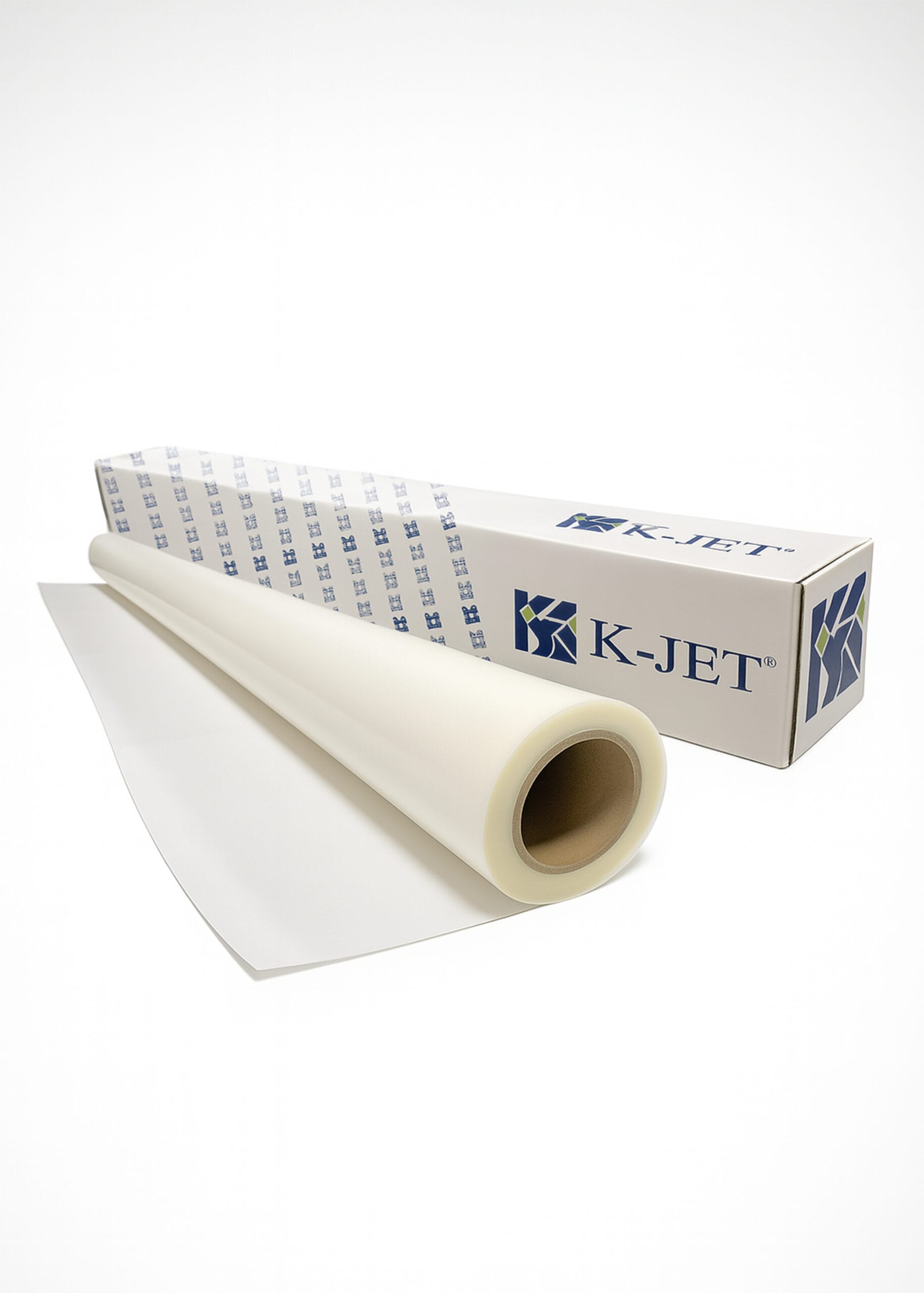
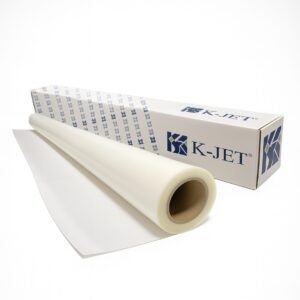
K-JET 4500 SemiCurve Lamination Matt / Glossy for Signage in Saudi Arabia
K-JET 4500 SemiCurve Lamination Matt / Glossy is a laminating film designed for printed graphics that require additional surface protection while maintaining a professional visual finish. Semi-curve lamination is particularly relevant to sign makers, digital printing companies, advertising contractors and display manufacturers working with slightly curved or shaped surfaces.
Lamination can help protect printed graphics from everyday handling, abrasion, dust and environmental exposure. The choice between a matte or glossy finish also affects how the finished graphic looks under retail lighting, exhibition lighting, office illumination and outdoor daylight. For businesses producing commercial signage in Saudi Arabia, selecting the right laminate can improve both the appearance and practical durability of printed media.
What Is K-JET 4500 SemiCurve Lamination?
K-JET 4500 SemiCurve Lamination is intended for applications where a printed graphic may need to follow a semi-curved surface rather than remaining completely flat. The term “semi-curve” indicates the type of surface or application for which the lamination may be considered, while the exact conformability and recommended application limits should be confirmed through the product’s technical documentation.
A laminate normally sits over a printed substrate and creates an additional protective layer. Depending on the material construction, it can help reduce surface wear and protect the printed image from routine contact, dirt and handling.
For professional applications, the laminate should always be matched with the printing media, ink technology, adhesive and substrate.
Why Lamination Matters for Printed Graphics
Large-format printed graphics can be exposed to fingerprints, dust, scratches, cleaning and general handling. Without suitable protection, the printed surface may lose its original appearance more quickly.
Lamination creates a protective barrier over the printed image. It can be particularly useful for graphics that are frequently touched or installed in commercial environments.
Common applications include retail graphics, promotional displays, exhibition panels, branded interiors, advertising graphics, wall graphics and selected vehicle or curved-surface applications.
The correct laminate also helps designers control the final visual appearance. Matte and glossy finishes produce noticeably different results.
Matte vs Glossy Lamination
The choice between matte and glossy lamination depends on the environment and the desired appearance.
Matte lamination reduces reflections and can create a softer, more understated appearance. It can be useful in areas where strong lighting creates glare, including retail interiors, offices, exhibition halls and branded environments.
Glossy lamination creates a brighter, more reflective surface that can make colours and photographic graphics appear more vibrant. It can be suitable for promotional graphics where a stronger visual impact is required.
Lighting should always be considered before selecting a finish. A graphic that looks excellent on a computer screen may appear very different under strong LED spotlights or direct sunlight.
Semi-Curved Signage Applications
Many modern signs and displays are not completely flat. Curved counters, display structures, rounded columns, promotional units and shaped retail fixtures can require graphics that follow a controlled curve.
K-JET 4500 SemiCurve Lamination can be considered for suitable applications where the printed graphic needs additional protection while following a semi-curved surface.
Before production, installers should confirm the permitted curvature and application method. Excessive stretching or forcing a laminate around a curve can create lifting, wrinkles or stress in the finished graphic.
Retail Branding and Store Displays
Retail environments are one of the important applications for laminated graphics. Brands can use printed graphics on counters, display units, promotional structures, walls and other branded surfaces.
In shopping centres and commercial districts across Riyadh, Jeddah, Dammam and Al Khobar, retail displays may need to remain visually clean throughout a promotional campaign.
A suitable laminate can help protect printed graphics from everyday handling while giving the display a controlled finish. Matte can be useful where glare needs to be reduced, while glossy can be selected where a brighter promotional appearance is preferred.
Exhibition and Event Graphics
Exhibitions require graphics that look professional under strong artificial lighting and remain presentable throughout an event.
Saudi Arabia’s growing exhibition and business-event sector includes venues such as Riyadh Front Exhibition & Conference Center and Riyadh International Convention & Exhibition Center. Companies participating in trade shows can use laminated graphics on display structures, counters, promotional walls and branded elements.
For curved exhibition structures, the installer should check that the laminate and printed media are suitable for the shape and installation method before applying the material across the complete project.
Digital Printing Compatibility
The quality of the final laminated graphic depends on the entire production process. The printed substrate should be compatible with the laminate, and the ink should be sufficiently cured or dried before lamination.
Common digital printing technologies used in signage include eco-solvent, solvent, latex and UV printing. Each printing system can have different surface characteristics and curing requirements.
Professional printers should follow the recommendations for the selected print media and laminate. Poor compatibility can lead to weak adhesion, silvering, bubbles or premature lifting.
Surface Preparation and Application
Successful lamination starts before the laminate is applied. The printed graphic should be clean, dry and free from dust, grease and contaminants.
The laminating area should also be clean because small particles trapped between the printed media and laminate can become visible in the finished graphic.
For semi-curved applications, installers should carefully control the material during application. Applying excessive tension can distort the graphic or place unnecessary stress on the adhesive.
Professional laminators may use appropriate squeegees, rollers and application techniques depending on the size and shape of the graphic.
Lamination for Saudi Commercial Environments
Saudi Arabia presents different conditions depending on the installation location. Indoor retail stores, exhibition halls and offices provide relatively controlled environments, while exterior applications can involve heat, sunlight, dust and larger temperature variations.
In Riyadh, areas such as Al Olaya, King Fahd Road and Al Nakheel contain commercial environments where branded graphics and advertising displays are widely used. Jeddah’s retail and hospitality sector also creates demand for professional printed graphics, while Dammam and Al Khobar serve commercial, corporate and industrial markets.
For outdoor applications, installers should verify the laminate’s weather resistance, temperature limitations, UV suitability and expected service conditions rather than assuming that every lamination film is designed for exterior exposure.
Combining Lamination With Other Signage Materials
Laminated printed graphics can form part of larger signage and display systems. Depending on the project, graphics may be applied to substrates such as PVC foam board, aluminium composite panels, acrylic, aluminium, glass or other compatible surfaces.
A laminated graphic can also be incorporated into exhibition displays, retail fixtures, promotional counters and architectural branding.
The substrate should be selected according to the application, dimensions, installation environment and required finish. Lamination protects the printed surface, but it does not compensate for an unsuitable substrate.
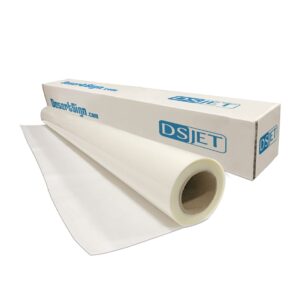
For projects requiring another general-purpose lamination option, sign makers can also review DS JET Lamination Matt / Glossy and compare its intended applications and finish options with the project requirements.
Common Lamination Problems
Several problems can affect the finished result. Bubbles may occur when air becomes trapped during application. Wrinkles can develop when the material is handled incorrectly or excessive tension is applied.
Poor adhesion may result from contamination, incompatible materials, insufficient drying or unsuitable application conditions.
Edge lifting can occur when a graphic is applied to a challenging surface without adequate preparation. On curved applications, installers should pay particular attention to edges and areas where the material experiences additional stress.
Testing a small sample before large-scale production can help identify compatibility issues.
Choosing the Right Finish
When selecting K-JET 4500 SemiCurve Lamination Matt / Glossy, consider the graphic design, surface shape, lighting, expected handling and installation environment.
Matte is generally considered when reduced glare and a softer visual appearance are priorities. Glossy can be considered when stronger reflections and a brighter visual presentation are desired.
For semi-curved applications, surface geometry is equally important. The installer should confirm the recommended curvature and application limitations before production.
Frequently Asked Questions
What is K-JET 4500 SemiCurve Lamination used for?
It is intended for suitable printed graphics where additional surface protection and application on semi-curved surfaces are required.
Should I choose matte or glossy?
Matte can help reduce reflections, while glossy provides a more reflective and vibrant appearance. The appropriate choice depends on lighting and the desired visual result.
Can it be used on curved displays?
It may be suitable for semi-curved applications, but the permitted curvature and material limitations should be confirmed in the manufacturer’s technical information.
Can it be laminated over digital prints?
Yes, laminating films are commonly used with digital printing media, provided the laminate, ink and substrate are compatible.
Is lamination necessary for every sign?
No. The need for lamination depends on the printed media, application, exposure, handling and required service life.
Conclusion
K-JET 4500 SemiCurve Lamination Matt / Glossy can be considered for professional printed graphics where surface protection, visual finish and controlled application over semi-curved surfaces are important. Matte and glossy options provide different appearance characteristics, allowing signage professionals to match the finish with the lighting and branding requirements of a project.
For digital printing companies, sign makers and exhibition contractors serving Riyadh, Jeddah, Dammam, Al Khobar and other Saudi markets, successful lamination depends on more than the film itself. Correct media compatibility, surface preparation, curing, application technique, substrate selection and environmental conditions all contribute to the final result.
A properly specified lamination system can help printed graphics maintain a professional appearance while supporting the practical requirements of retail, exhibition, promotional and commercial signage.
Reviews
There are no reviews yet.